
Russia, China tip Africa as next global trade powerhouse as BRICS surpasses $1 trillion
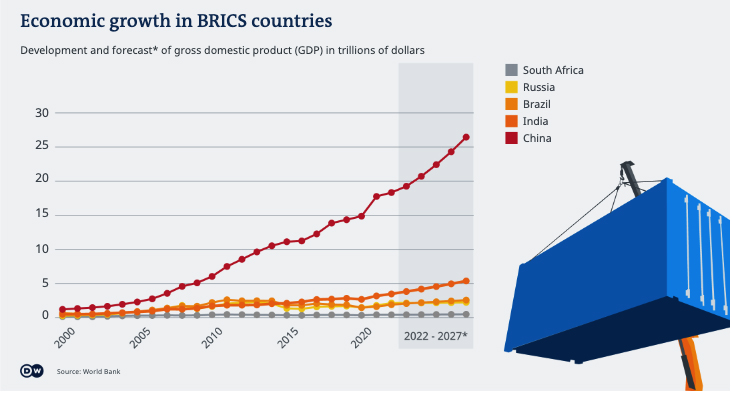
BRICS nations now drive nearly half of global economic growth, representing roughly 40% of global GDP by purchasing power parity. According to Russian President Vladimir Putin at the St. Petersburg International Economic Forum, this shift extends to trade and high-tech exports, signaling a structural move away from Western-centric financial systems toward a multipolar economy.
Why is the global financial system shifting toward BRICS?
The center of gravity for global trade is moving. It isn’t just a theory; it’s reflected in the numbers. According to President Vladimir Putin, BRICS countries have more than doubled their share of global merchandise trade since the bloc’s inception. They now account for nearly a quarter of all world exports.

Trade among member states has already crossed the $1 trillion mark. This volume creates a natural incentive to build financial rails that don’t rely on traditional Western intermediaries. When a bloc generates 49% of annual global GDP growth over a five-year period, the existing financial architecture starts to look outdated.
The high-tech redistribution
We’re seeing a redistribution of technological power. It’s no longer just about low-cost manufacturing. Putin highlighted specific strengths: China’s dominance in AI patents, India’s software prowess, and Russia’s lead in nuclear energy and digital platforms.
This technological autonomy means these nations aren’t just buying tech from the West—they’re building the systems the rest of the world will use. This reduces dependency and creates new, independent trade corridors.
How will Africa become a primary engine of global growth?
While much of the conversation focuses on Asia, the real demographic explosion is happening in Africa. President Samia Suluhu Hassan of Tanzania provided a stark projection: by 2050, one in every four people on Earth will be African.
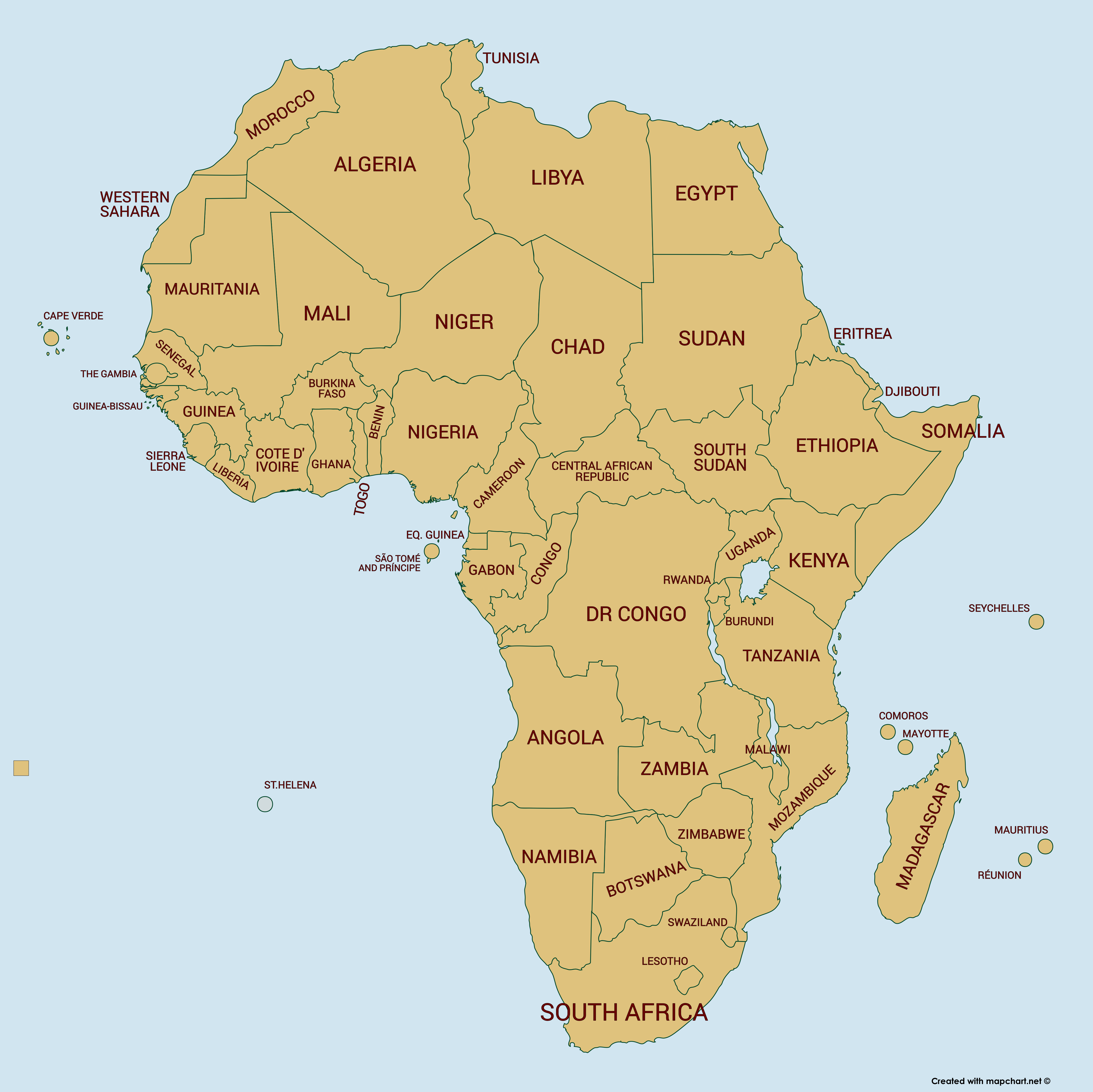
This isn’t just about population; it’s about purchasing power. Hassan noted that Africa’s middle class is expected to exceed one billion people. This creates a massive internal market that is less dependent on exports to Europe or North America.
The African Continental Free Trade Area (AfCFTA) is the catalyst here. By removing trade barriers, it’s evolving into the world’s largest market by population. Africa is shifting from being a destination for foreign aid to a destination for strategic investment.
What does the Uzbekistan-Russia deal signal for the Global South?
The recent launch of a nuclear power plant in Uzbekistan is more than just an energy project. It’s a blueprint for how “partner states” will interact with the BRICS core. Uzbekistan became a BRICS partner in 2025, and the resulting synergy is immediate.
According to Uzbek President Shavkat Mirziyoyev, joint projects between Uzbekistan and Russia now exceed $50 billion. These deals span energy, agriculture, and logistics, proving that the Global South is increasingly looking to one another for infrastructure and industrialization.
This trend suggests a future where emerging economies bypass traditional lenders (like the IMF or World Bank) in favor of bilateral agreements that offer faster implementation and fewer political strings attached.
For more on how these shifts affect global markets, check out our analysis on emerging market volatility or explore the official BRICS updates.
Comparing the Economic Shift
| Metric | BRICS Impact | Global Context |
|---|---|---|
| GDP (PPP) | ~40% of global total | Rapidly closing gap with G7 |
| GDP Growth | 49% of global growth (5yrs) | Outpacing developed economies |
| High-Tech Exports | Over 33% of global share | Diversifying away from West |
Frequently Asked Questions
What is the current economic weight of BRICS?
BRICS nations currently represent about 40% of global GDP when measured by purchasing power parity (PPP) and account for nearly half of the world’s annual economic growth.
How is Africa influencing this new economic order?
Through massive demographic growth (1 in 4 people by 2050) and the implementation of the AfCFTA, Africa is moving from the margins to become a central engine of global consumption and growth.
What are the key technological strengths of BRICS members?
China leads in AI patents, India dominates the global software industry, and Russia is a leader in nuclear energy and digital service platforms.
Want to stay ahead of the global shift?
The map of economic power is being redrawn in real-time. Don’t get left behind.
Subscribe to Our Global Insights Newsletter
Or join the conversation: Do you think the BRICS expansion will permanently replace the G7’s influence? Let us know in the comments below.