

Vitamin B12 Deficiency: Symptoms, Causes, and the Link to Energy
Vitamin B12 deficiency can cause exhaustion and nerve damage by interfering with red blood cell production and mitochondrial energy, according to research. Adults typically require about two micrograms daily to support DNA, nerve function, and the production of red blood cells.
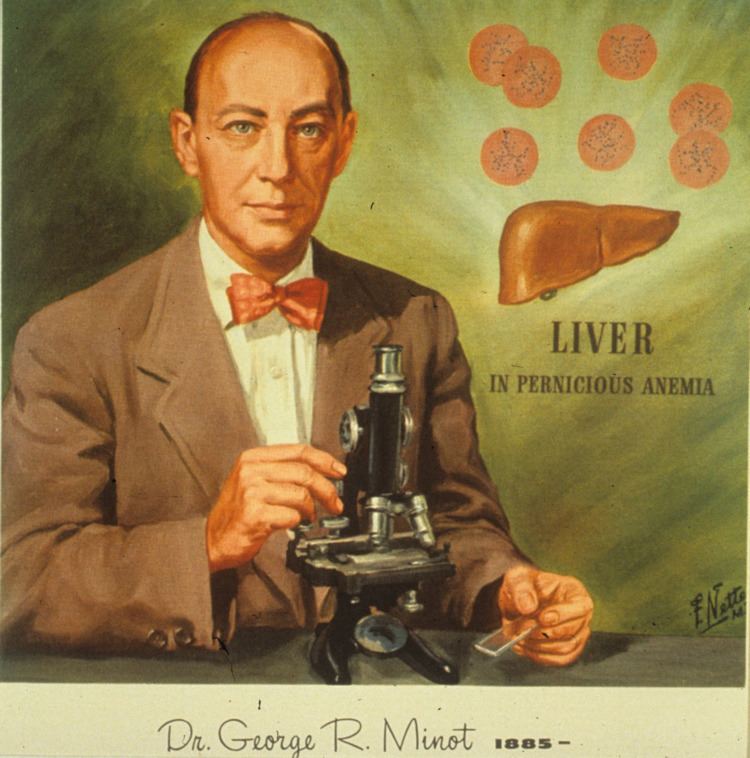
George Minot and William Murphy reported in 1926 that a liver-rich diet could treat pernicious anemia, a disease that was frequently fatal at the time. This discovery followed experiments by American physician George Whipple, who found that liver helped dogs recover from anemia caused by blood loss.
The success of liver-based treatments eventually allowed scientists to isolate cobalamin, the deep red compound known as vitamin B12. While the body requires a very small amount of the nutrient, deficiency can have profound consequences for health.
Why is vitamin B12 deficiency common?
Deficiency often occurs because B12 is found primarily in animal products, including meat, fish, eggs, and dairy. This makes vegans and vegetarians more susceptible to low levels.
Absorption issues also drive deficiency, particularly in older adults. Some older people produce less stomach acid, which is required to release B12 from food.
Other factors include autoimmune gastritis, where the immune system damages stomach cells that produce acid and intrinsic factor. Weight-loss surgery and certain medications for acid reflux or diabetes can also reduce the body’s ability to absorb the vitamin.
How does B12 affect energy and muscle function?
Doctors have traditionally linked B12-related tiredness to anemia. Without the vitamin, bone marrow produces unusually large, immature red blood cells that carry oxygen less effectively through the body.

A 2026 study suggests that fatigue may also stem from mitochondrial dysfunction. Vitamin B12 is required by an enzyme that helps mitochondria—the structures that turn food into energy—process protein building blocks and certain fats.
Researchers found that low B12 could interfere with mitochondrial DNA and reduce energy production in laboratory models of skeletal muscle. A related study in aged female mice showed that B12 supplementation improved the number and structure of mitochondria in muscle.
What are the symptoms of B12 deficiency?
Symptoms often develop slowly and may be mistaken for normal ageing. Common signs include feeling exhausted, weak, or short of breath.
Neurological symptoms may include numbness or tingling in the hands and feet, poor balance, and memory problems. Some individuals describe these cognitive issues as “brain fog.”
Because these symptoms are not specific to B12 deficiency, health professionals advise that persistent tingling or tiredness be medically checked rather than assumed to be a simple vitamin issue.
Are B12 injections effective for everyone?
B12 injections are an established treatment for those with a diagnosed deficiency, especially when absorption is impaired. The NHS uses hydroxocobalamin injections to treat vitamin B12 deficiency anemia.
However, there is little evidence that B12 shots boost performance, weight loss, or energy in people with normal B12 levels. Medical professionals suggest identifying the cause of tiredness before pursuing supplementation.
Future research may further clarify how this cobalt-containing molecule helps cells maintain function as the body ages. It is possible that further studies could identify more precise ways to support muscle function in older adults.
Frequently Asked Questions
Who is at the highest risk for B12 deficiency?
Older adults, vegans, vegetarians, and people taking medications for diabetes or acid reflux, as well as those who have undergone weight-loss surgery, are at higher risk.
What is the difference between blood-loss anemia and pernicious anemia?
Blood-loss anemia occurs when the body loses red blood cells through bleeding, whereas pernicious anemia is caused by the poor absorption of vitamin B12.
Can B12 supplements reverse ageing?
No. Research findings do not mean that B12 supplements can reverse ageing or act as an energy booster for individuals whose B12 levels are already normal.
Do you track your vitamin levels during your annual health checkups?