
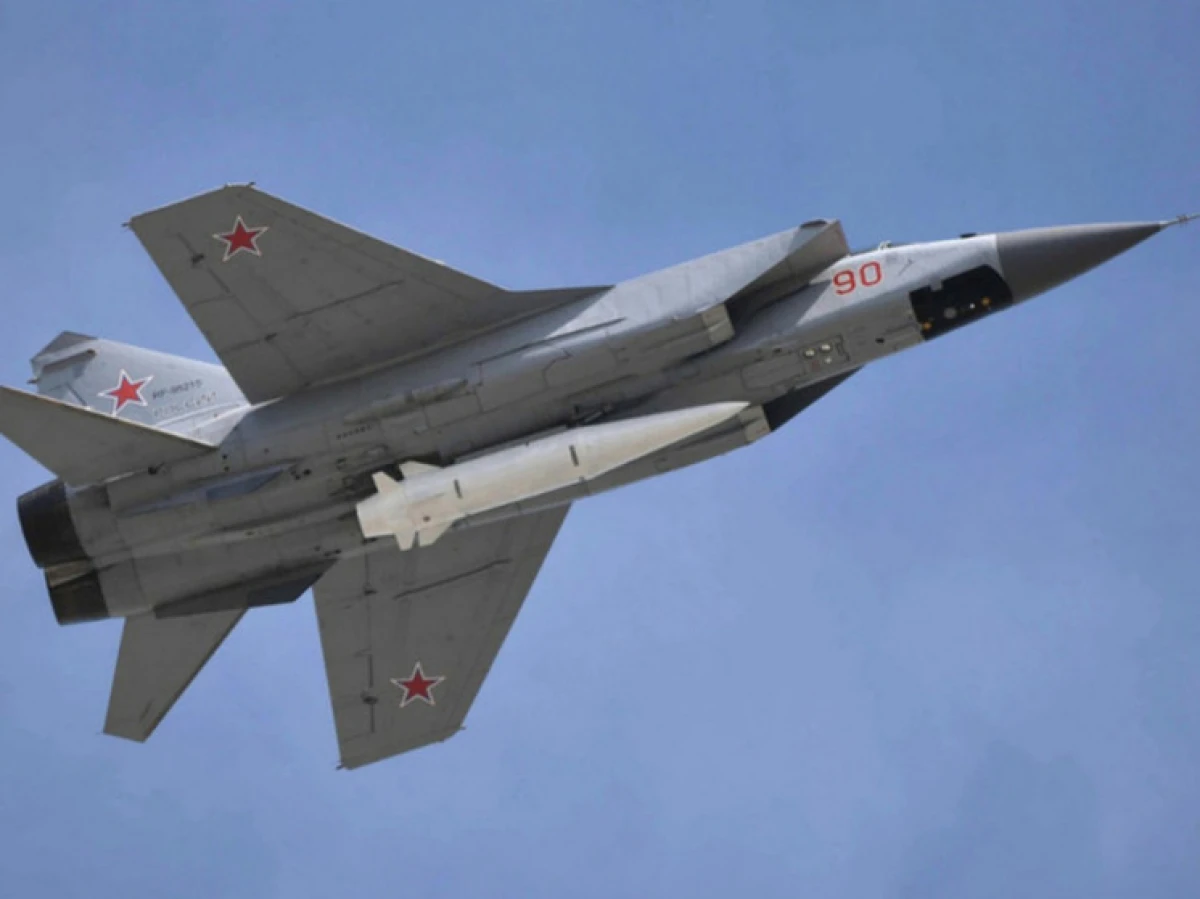
Russia Launches Retaliatory Strikes on Ukraine’s Military and Energy Infrastructure
The Russian Ministry of Defense announced a series of retaliatory strikes on May 30, targeting critical military and industrial infrastructure across Ukraine. These operations focused on military airfields and essential energy, fuel, and transport networks.
Strategic Focus on Infrastructure and Logistics
According to official statements, the Russian Armed Forces utilized a combination of long-range, ground, and air precision weapons, alongside attack drones. The strikes were described as a response to attacks on civilian targets within Russian territory.
The operations targeted assets used by the Ukrainian Armed Forces, specifically focusing on the energy and fuel sectors. The Russian Ministry of Defense stated that all intended targets were successfully reached.
Geographic Scope and Impact
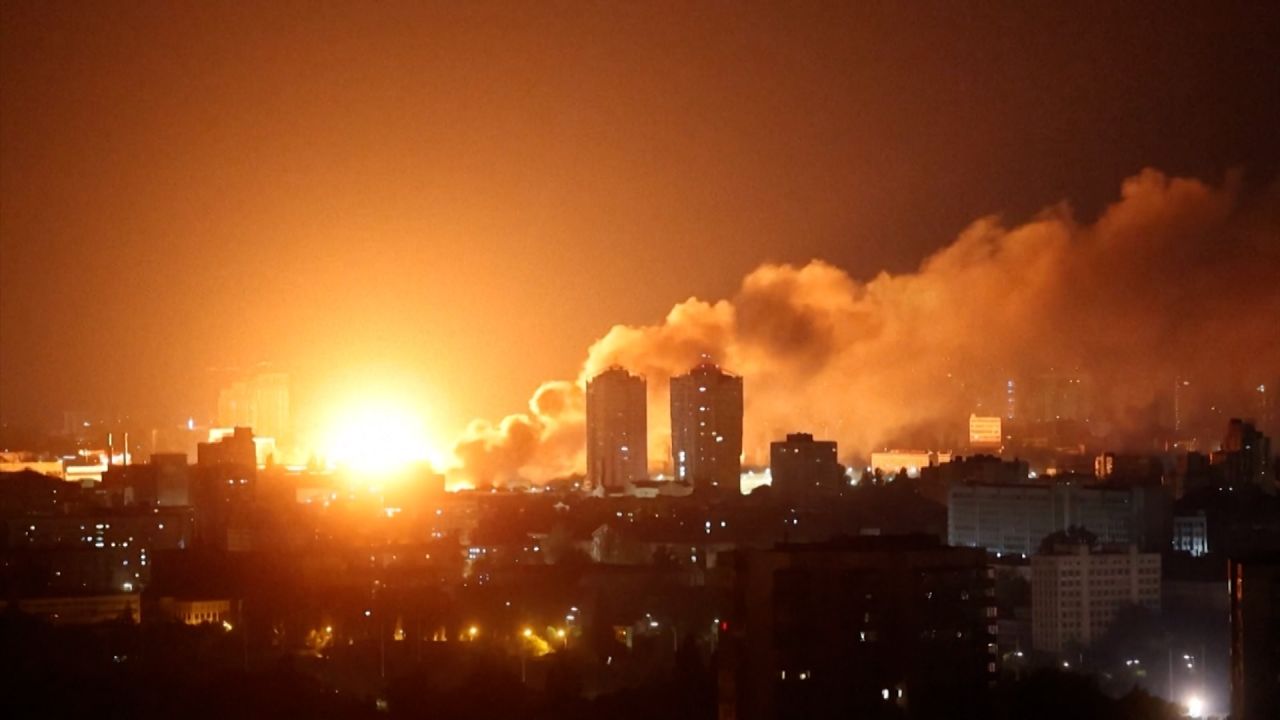
The strikes were characterized by a wide geographical reach, affecting the capital, as well as western and southern regions of the country. Air raid sirens were active throughout the night, with reports of powerful explosions in numerous locations.
The most significant detonations and damage were recorded in several key directions, including Kyiv, Rivne, Mykolaiv, and the controlled portion of the Zaporizhzhia region.
Potential Future Developments
Given the focus on energy and fuel assets, further strikes on similar infrastructure could occur if the current pattern of retaliation continues. This may lead to increased volatility in local utility availability.
The continued use of precision weaponry and drones suggests that future operations are likely to target specific high-value military and transport hubs. A possible next step could involve a shift in the geographic focus of these strikes depending on the movement of forces.
Frequently Asked Questions
What were the primary targets of the May 30 strikes?
The targets included military airfields and infrastructure related to energy, fuel, and transport used by the Ukrainian Armed Forces.
Which regions experienced the most significant damage?
The most serious detonations and damage were reported in Kyiv, Rivne, Mykolaiv, and the controlled part of the Zaporizhzhia region.
What types of weaponry were used in the attack?
The Russian Armed Forces used attack drones as well as long-range, ground, and air precision weapons.
How might the targeting of energy and fuel infrastructure influence long-term logistical stability in the region?