Russia-Ukraine War: Banks to Defend Against Drones and Czech Ammo Boost
Russia’s Banks Arm Themselves: A New Era of Corporate defence and the Future of War
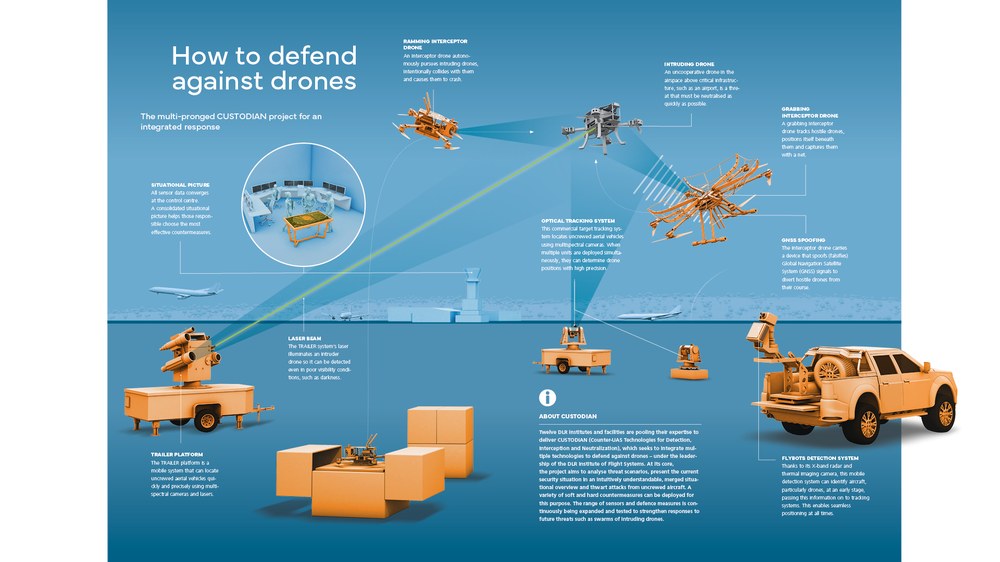
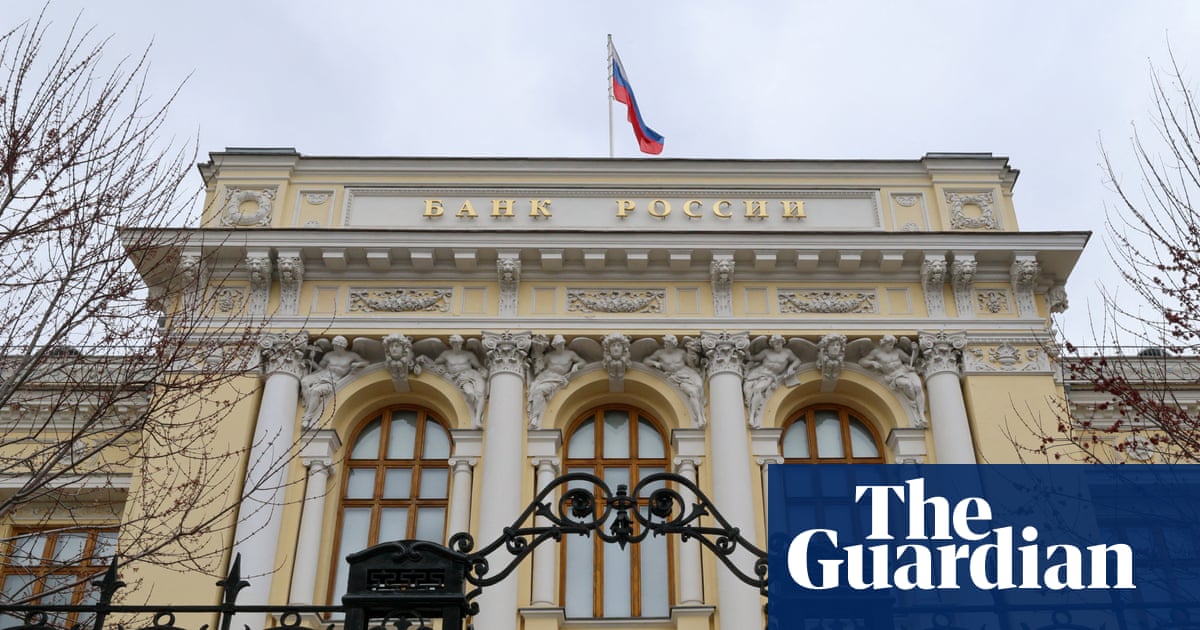
As Russia’s war in Ukraine enters a new phase, the Kremlin has taken an unprecedented step: arming its banks—including the Central Bank and Sberbank—to defend against drone attacks. This move signals a broader shift in how states and corporations prepare for modern warfare, where financial institutions, critical infrastructure, and even diplomatic missions become targets. What does this mean for the future of defence, cybersecurity, and global conflict? Here’s a deep dive into the trends reshaping the battlefield.
— ### The Rise of Corporate defence: When Banks Become Battlefields Russia’s latest law allows financial institutions to deploy their own defence systems, including drones, anti-aircraft technology, and armed personnel, to counter Ukrainian strikes. This isn’t just about protecting assets—it’s a strategic pivot toward decentralized defence, where private entities take on roles traditionally reserved for the military. Why now? – Stretched thin: Russia’s air defenses are overwhelmed, with key cities like Moscow relying on clustered systems while other regions go nearly undefended. – Economic warfare: Ukraine’s drone campaigns target not just military sites but also energy infrastructure, refineries, and logistics hubs—directly hitting Russia’s war economy. – Cost efficiency: Instead of relying on an already strained military, banks like Sberbank (Russia’s largest) are now self-funding their own protection, a model that could spread globally. Real-world precedent: In 2022, Israel’s private sector—including banks and tech firms—collaborated with the military to defend against rocket attacks using early warning systems. Russia’s move mirrors this trend, but on a larger scale. If banks can defend themselves, what’s next? Will corporations in the U.S., EU, or Middle East follow suit? — ### Drone Wars 2.0: How Technology is Redefining Conflict Ukraine’s drone offensive has proven that asymmetric warfare—using cheap, widely available drones to disrupt high-value targets—is the new norm. Russia’s response isn’t just about shooting down drones; it’s about preemptive hardening of critical infrastructure. Key trends to watch: 1. AI-Powered defence: Banks and corporations may soon deploy AI-driven drone detection and countermeasures, similar to systems already used by militaries. Companies like Palantir and Raytheon are already developing commercial-grade defence tech. 2. Swarm Tactics: Ukraine’s use of drone swarms (groups of coordinated drones) has forced Russia to adapt. Expect electronic warfare (EW) jamming and autonomous counter-drone systems to become standard in corporate security. 3. Hybrid Threats: Cyberattacks on financial systems (e.g., disrupting payment networks) paired with physical drone strikes could become a dual-pronged assault on economic targets. Did you know? The U.S. Has already tested commercial drone defence systems in urban areas, including AI that predicts drone flight paths. If Russia’s banks are arming themselves today, private companies in the West may not be far behind. — ### Diplomatic Tensions Escalate: When Embassies Become Targets Russia’s threats against diplomatic missions in Kyiv—condemned by nearly 50 UN member states—highlight a dangerous new dynamic: foreign embassies as collateral in hybrid warfare. While no direct attacks have occurred yet, the psychological and strategic messaging is clear. What’s at stake? – Credibility: Russia’s warnings may be a tactic to pressure Western diplomats to leave, creating a pretext for further escalation. – Legal grey areas: International law protects embassies, but cyberattacks, drone surveillance, or “accidental” strikes could blur these lines. – Alliance solidarity: The EU’s refusal to move staff—backed by Germany, Norway, and others—shows that diplomatic unity remains a deterrent, but for how long? Case study: In 2022, Russia shelling near the Polish border was seen as a warning to NATO. Today, drone strikes on embassies could set a precedent for targeting foreign assets in conflict zones. — ### The Ammunition Arms Race: How Czech Republic’s Initiative Could Reshape Ukraine’s War Effort While Russia scrambles to defend its banks, Ukraine’s allies are ramping up support. The Czech Republic’s ammunition initiative—delivering 1 million rounds in 2026—is a blueprint for sustainable military aid in modern warfare. Why it matters: – Scalability: The Czech model combines government funding, private sector logistics, and frozen Russian asset yields (€1 billion secured so far). – Global collaboration: Denmark, the Netherlands, and Germany are pooling resources, proving that multinational defence funding can work at scale. – Political resilience: Even with leadership changes (like Czech PM Andrej Babis’ initial resistance), diplomatic pressure kept the initiative alive. Pro tip for policymakers: If the EU’s €90 billion loan for Ukraine is fully utilized, we could see industrial-scale ammunition production—not just in Europe, but in U.S. Partner nations like Poland and the Baltics. — ### The Future of War: 5 Trends to Watch 1. Privatization of defence – Corporations will increasingly self-arm against cyber and physical threats, blurring the line between military and private security. – Example: In 2024, Blackwater-style private military contractors (PMCs) expanded into drone defence training for corporations. 2. Drone Proliferation & Countermeasures – Cheaper, more advanced drones will make urban warfare deadlier. Expect AI-driven counter-drone nets and laser defence systems in cities. – Stat: By 2027, 60% of military-grade drones will be commercially available, per a 2025 RAND Corporation report. 3. Economic Warfare as a Primary Battlefield – Attacks on supply chains, banking systems, and energy grids will dominate. Russia’s drone strikes on Ukrainian infrastructure are a preview. – Watch: How SWIFT sanctions and digital currency blockades evolve as tools of war. 4. Diplomatic & Cyber Hybrid Threats – Embassies, NGOs, and even corporate HQs will face cyber espionage + physical sabotage as a package deal. – Warning: The 2025 cyberattack on a German port (disrupting NATO supply lines) was a dress rehearsal for this. 5. The Role of AI in Decision-Making – Banks, militaries, and governments will rely on real-time AI threat assessment to predict and counter attacks. – Example: Israel’s Iron Dome 3.0 uses AI to prioritize intercepts—now being adapted for commercial use. — ### FAQ: Your Burning Questions About the Future of War
Q: Could this happen in the U.S. Or Europe?
Absolutely. While no Western government has yet armed banks, critical infrastructure (power grids, ports, data centers) is already being hardened against cyber and drone threats. The U.S. Critical Infrastructure Security Agency (CISA) has warned of drone swarm risks at major events like the Super Bowl.
Q: Will drone defence systems be available for civilians soon?
Yes, but with restrictions. Companies like DroneShield and Skydio already sell counter-drone tech to businesses. However, export controls (like those on the U.S. And EU) may limit widespread civilian access.
Q: How will Russia’s move affect global sanctions?
It could accelerate sanctions on dual-use tech (e.g., AI, drones, encryption). The U.S. And EU may tighten controls on commercial defence systems to prevent them from being repurposed for war.
Q: Are there any countries already doing this?
Israel and the UAE have private-sector defence programs, but Russia’s move is the most state-sanctioned and large-scale. China’s tech conglomerates (like Huawei) are also reportedly testing internal security drones for facilities.
Q: What’s the biggest risk of corporate defence?
Escalation without accountability. If a bank’s armed guard accidentally shoots down a civilian drone, who’s liable? Legal frameworks for private military actions are still evolving.
— ### What’s Next? How You Can Stay Ahead of the Curve The future of warfare isn’t just about tanks and missiles—it’s about who controls the data, the drones, and the supply chains. Here’s how to prepare: ✅ For Businesses: – Audit your physical and cybersecurity against drone/swarm threats. – Explore AI-driven threat detection for facilities. – Internal link: [How to Secure Your Business Against Drone Attacks](link-to-article) ✅ For Investors: – Watch defense-tech startups (e.g., Anduril, Palantir, DroneShield). – Semantic keyword: *commercial drone defence stocks* ✅ For Policymakers: – Push for global standards on private defence systems. – External link: [UN Report on Drone Warfare Ethics](https://www.un.org) ✅ For the General Public: – Know your country’s emergency protocols for drone incidents. – Pro tip: If you live near a critical infrastructure site (power plant, port), familiarize yourself with local defence drills. — ### Your Turn: What Do You Think? Will we see armed bank tellers in the next decade? Or is Russia’s move a one-off desperation play? Comment below—we’re tracking this story closely. Want more on military tech, cybersecurity, or geopolitics? 👉 [Subscribe to our newsletter](link-to-newsletter) for deep dives on the next generation of warfare. 👉 [Explore our archive](link-to-archive) on drone warfare, AI in defence, and economic conflict strategies. —
Stay Informed. Stay Ahead.
Warfare is evolving faster than ever. Don’t get left behind—bookmark this page and check back for updates on how corporate defence, drone tech, and economic warfare will shape the next decade.