

Russia’s Missile Production Outpaces US Patriot Interceptors
Russian monthly missile production now exceeds the production rate of U.S. PAC-3 Patriot interceptors, according to the Institute for the Study of War (ISW). Current data shows Russia produces between 110 and 130 missiles per month, while the U.S. Department of Defense reports an annual output of approximately 600 PAC-3 missiles, averaging 50 per month.
How is Russia increasing its missile output?
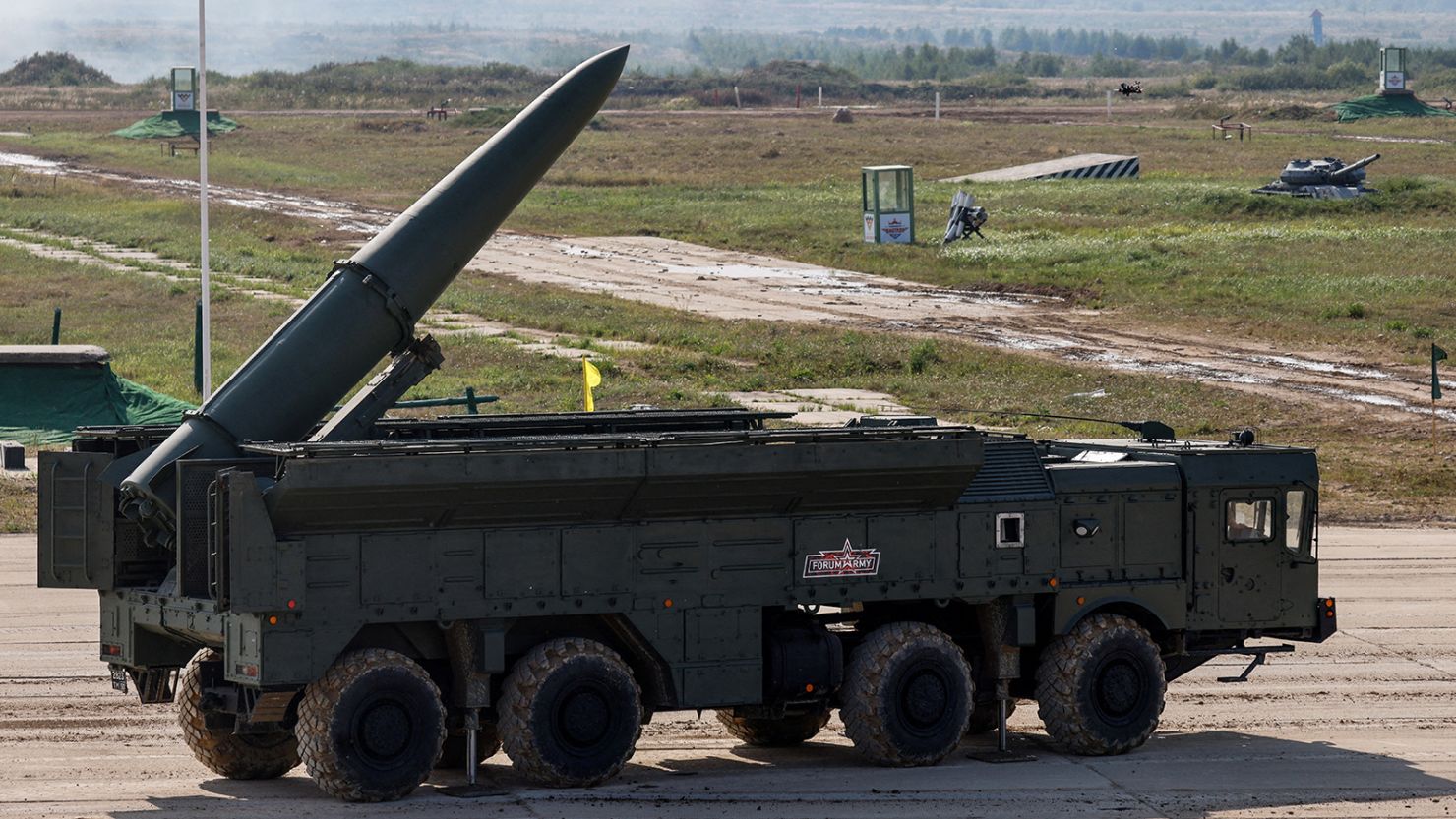
The Institute for the Study of War reports that by the spring of 2026, Russian forces were producing 40 to 50 X-101 cruise missiles, 60 to 70 Iskander-M ballistic missiles, and approximately 10 Iskander-K cruise missiles monthly.
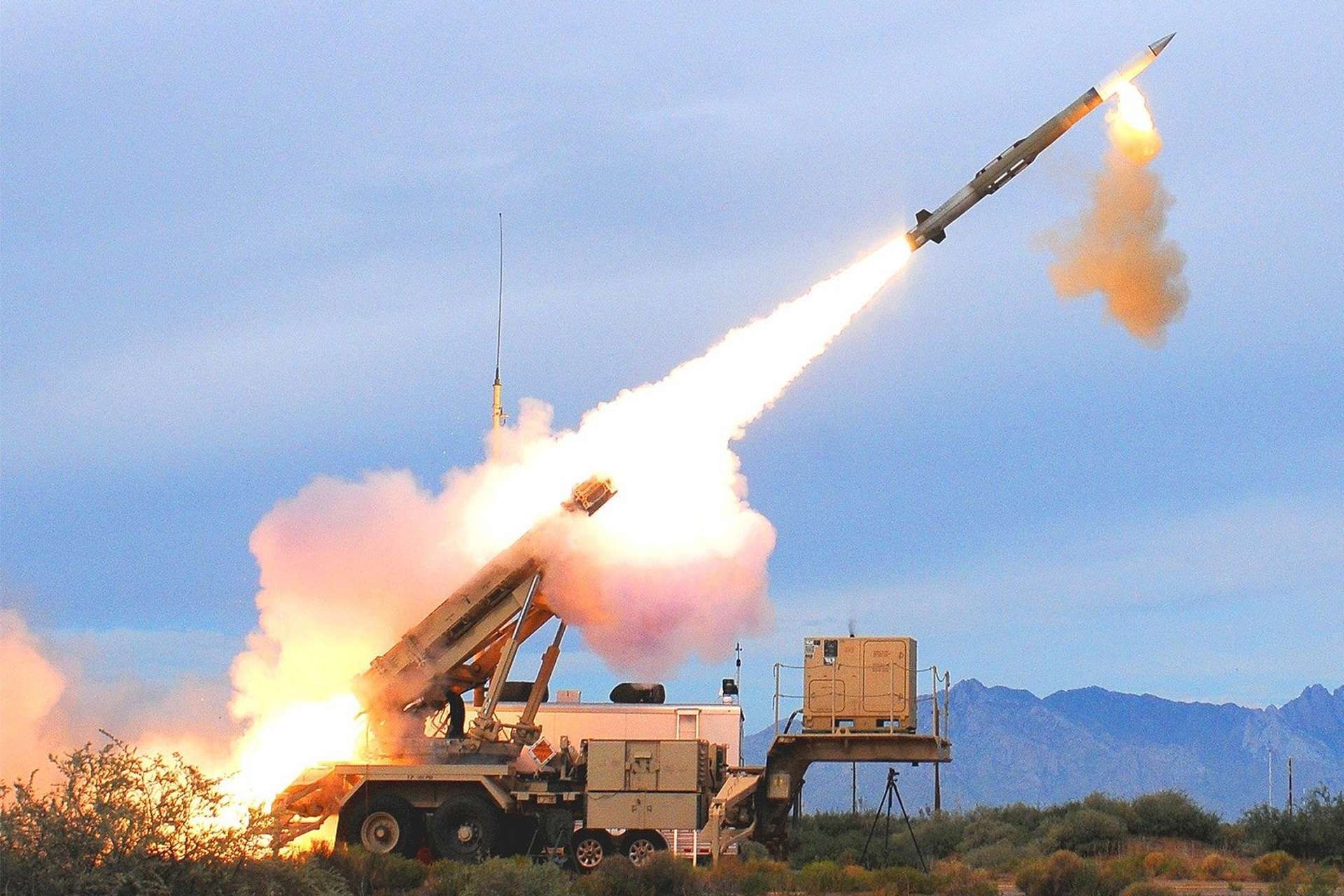
To scale production, Russian forces are integrating technical solutions from the North Korean KN-23 ballistic missile into the Iskander-M. Moscow is also developing the “Iskander-1000,” a new version of the Iskander-M with a range of up to 1,000 kilometers.
Technical upgrades to the X-101 include doubling the warhead payload and adding automatic thermal decoys and metal deflectors to disrupt radar. Ukrainian forces have also noted the use of a terrain-scanning navigation system to increase strike accuracy.
What are the financial costs of Russia’s military expansion?
Russian military spending reached 5.9 trillion rubles (approximately $81.4 billion) in the first quarter of 2026, according to Yanis Kluge of the German Institute for International and Security Affairs. This figure represents a 30% increase over the first quarter of 2025.
Kluge, citing Russian Ministry of Finance data, stated that military costs accounted for 46% of total budget expenditures in Q1 2026. While the Russian budget law predicted military spending would drop from 7.8% of GDP in 2025 to 6.2% in 2026, Q1 2026 spending already represents 2.5% of the total expected GDP for the year.
Total Russian revenues for the first four months of 2026 were 8.3 trillion rubles (approximately $114.5 billion). Based on these figures, military expenditures equal roughly two-thirds of the country’s budget revenues.
How has the military personnel count changed?
President Vladimir Putin signed a decree on June 12 setting the total strength of the Russian armed forces at 2,399,130 people, including 1,510,000 servicemen. This follows a March 4 decree that had set the limit at 2,391,770 people, including 1,502,640 servicemen.
The June 12 decree represents an increase of 7,360 servicemen. Analysts suggest this specific increase is unlikely to significantly impact the situation on the battlefield in Ukraine.
What is the impact on civilian casualties?
The UN Human Rights Monitoring Mission in Ukraine (HRMMU) reported on June 12 that May 2026 saw the highest number of civilian casualties since April 2022. At least 274 civilians were killed and 1,763 were wounded.
The UN mission attributed these numbers to Russia’s use of powerful weapons against urban areas, specifically missiles and glide bombs targeting regions far from the front line.
What may happen next?
Given the current spending trajectory, Russia may face increased budget volatility if revenues continue to decline while military costs rise. The development of the Iskander-1000 could potentially expand the geographic reach of Russian strikes.
Further technical modifications to the X-101 may occur as Russia attempts to circumvent interception systems. Additionally, the Kremlin’s current stance on European mediation as “unacceptable” suggests that diplomatic shifts are unlikely in the immediate term.
Frequently Asked Questions
How does Russian missile production compare to U.S. interceptor production?
Russia produces between 110 and 130 missiles monthly, while the U.S. produces approximately 50 PAC-3 Patriot interceptors per month, according to ISW and the U.S. Department of Defense.
What percentage of Russia’s budget went to the military in Q1 2026?
According to Yanis Kluge, military spending accounted for 46% of total budget expenditures during the first quarter of 2026.
What are the new features of the X-101 missile?
The X-101 has seen its payload weight doubled and now includes terrain-scanning navigation and automatic thermal decoys to avoid detection.
Do you believe the current rate of military spending is sustainable for the Russian economy in the long term?