
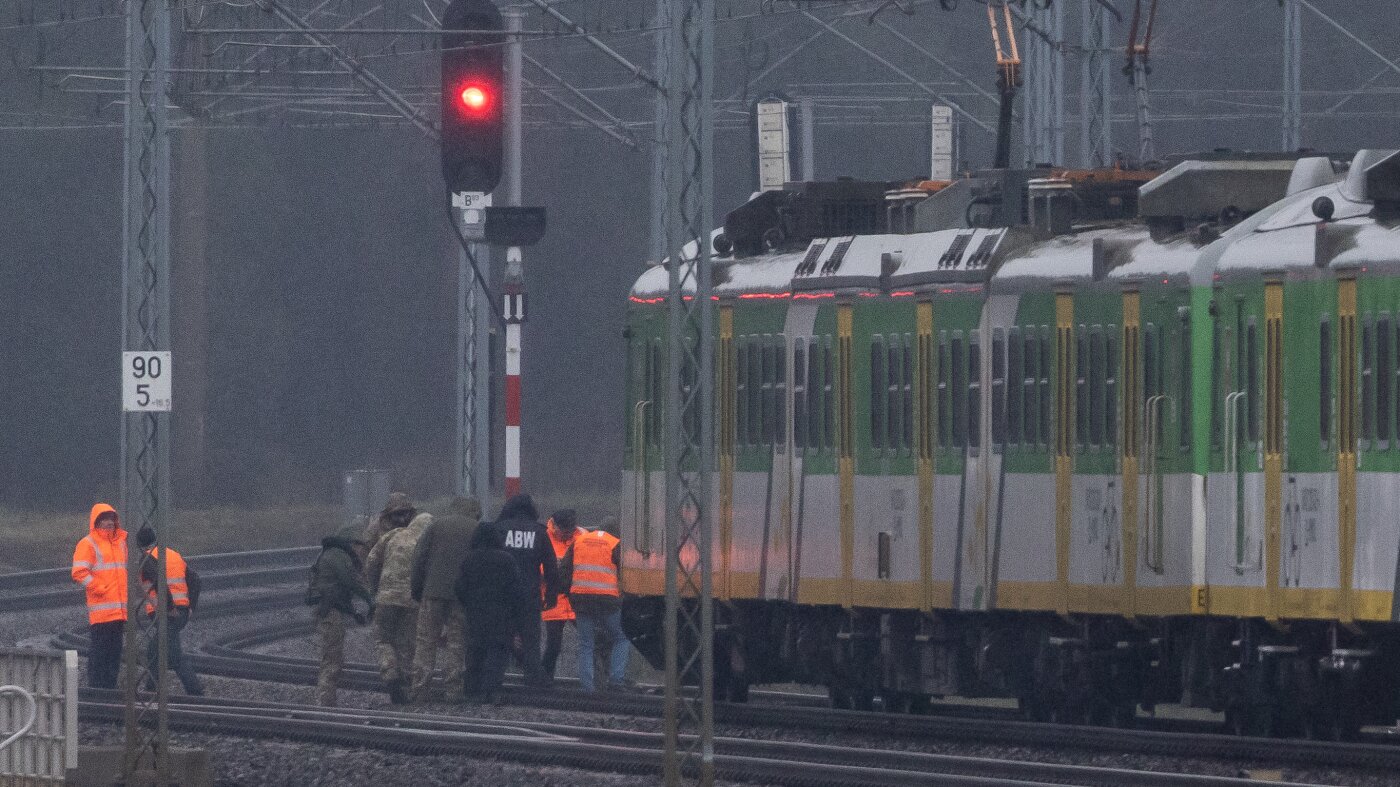
Russia’s Sabotage in Poland Raises Fears of Escalating Hybrid Warfare in Europe
The Shadow War Escalates: How Russia’s Hybrid Attacks Are Redefining European Security
The recent sabotage of a Polish rail line, as reported by NPR, isn’t an isolated incident. It’s a stark illustration of a growing trend: Russia’s escalating use of hybrid warfare tactics against Europe. These attacks, falling short of outright military conflict, aim to destabilize, sow discord, and undermine support for Ukraine. But what does this mean for the future of European security, and how are nations preparing for a new era of covert aggression?
Beyond Bombs and Bullets: Understanding Hybrid Warfare
Hybrid warfare blends conventional military tactics with unconventional strategies like cyberattacks, disinformation campaigns, economic pressure, and the exploitation of societal vulnerabilities. It’s a deliberate blurring of lines, making attribution difficult and a clear response challenging. Unlike traditional warfare, the goal isn’t always territorial conquest, but rather the erosion of trust in institutions and the weakening of political will.
Recent examples abound. Beyond Poland, Germany experienced disruptions to rail traffic due to suspected sabotage in October 2023, prompting investigations into potential Russian involvement. Reuters reported on the incident, highlighting the vulnerability of critical infrastructure. Simultaneously, Baltic states have faced a surge in cyberattacks targeting government websites and essential services. These aren’t random acts; they’re coordinated efforts designed to create chaos and anxiety.
The Rise of “Disposable Agents” and Telegram Recruitment
A particularly concerning development is the increasing reliance on recruited agents, often operating with minimal training and motivated by financial incentives. As Polish security officials noted in the NPR report, platforms like Telegram are becoming key recruitment grounds. These “disposable agents,” as they’ve been termed, are tasked with carrying out low-level attacks – vandalism, arson, reconnaissance – that, while seemingly minor individually, collectively contribute to a climate of instability.
This tactic allows Russia to maintain plausible deniability, distancing itself from direct involvement. It also lowers the threshold for escalation, as these attacks are less likely to trigger a forceful response from NATO. The use of foreign nationals, like the Colombian man arrested in Germany for arson, further complicates the situation, raising questions about immigration security and the potential for radicalization.
Critical Infrastructure Under Siege: A Continent on Alert
Europe’s critical infrastructure – energy grids, transportation networks, communication systems – is increasingly becoming a target. The Nord Stream pipeline explosions in 2022 served as a chilling reminder of this vulnerability. While the perpetrators remain officially unidentified, suspicion heavily falls on Russia. The Council on Foreign Relations provides a detailed analysis of the incident and its geopolitical implications.
The potential consequences of a successful attack on critical infrastructure are severe. Widespread power outages, disruptions to supply chains, and the collapse of essential services could cripple economies and create widespread social unrest. This is precisely the outcome Russia seeks – a fractured and weakened Europe less capable of supporting Ukraine.
NATO’s Dilemma: Balancing Deterrence and De-escalation
NATO faces a complex dilemma. A direct military response to hybrid attacks risks escalating the conflict into a full-blown war with Russia, a scenario everyone wants to avoid. However, inaction sends a signal of weakness, potentially emboldening Russia to further escalate its aggression.
The invocation of Article 5, NATO’s collective defence clause, remains a significant threshold. While unlikely to be triggered by a single act of sabotage, a large-scale attack resulting in significant casualties could force the alliance’s hand. In the meantime, NATO is focusing on strengthening its cyber defenses, enhancing intelligence gathering, and improving coordination among member states.
Future Trends: What to Expect in the Coming Years
Several key trends are likely to shape the future of hybrid warfare in Europe:
- Increased Sophistication of Cyberattacks: Expect more targeted and sophisticated cyberattacks aimed at disrupting critical infrastructure and stealing sensitive data.
- Proliferation of Disinformation: AI-powered disinformation campaigns will become increasingly prevalent, making it harder to distinguish between fact and fiction.
- Expansion of “Disposable Agent” Networks: Russia will likely continue to rely on recruited agents to carry out low-level attacks, exploiting vulnerabilities in immigration systems and social networks.
- Weaponization of Migration: The deliberate manipulation of migration flows to create political instability and strain resources.
- Space-Based Threats: Growing concerns about the vulnerability of satellites to cyberattacks and anti-satellite weapons.
FAQ: Hybrid Warfare in Europe
Q: What is the main goal of Russia’s hybrid warfare tactics?
A: To destabilize Europe, undermine support for Ukraine, and weaken the transatlantic alliance.
Q: Is NATO prepared to respond to hybrid attacks?
A: NATO is strengthening its cyber defenses, enhancing intelligence gathering, and improving coordination among member states, but faces a complex balancing act between deterrence and de-escalation.
Q: What can individuals do to protect themselves from disinformation?
A: Be critical of information you encounter online, verify sources, and be aware of your own biases.
The shadow war in Europe is far from over. As Russia continues to refine its hybrid warfare tactics, European nations must remain vigilant, invest in resilience, and strengthen their collective defenses. The future of European security depends on it.
Want to learn more? Explore our articles on cybersecurity threats and geopolitical risk analysis for deeper insights.