
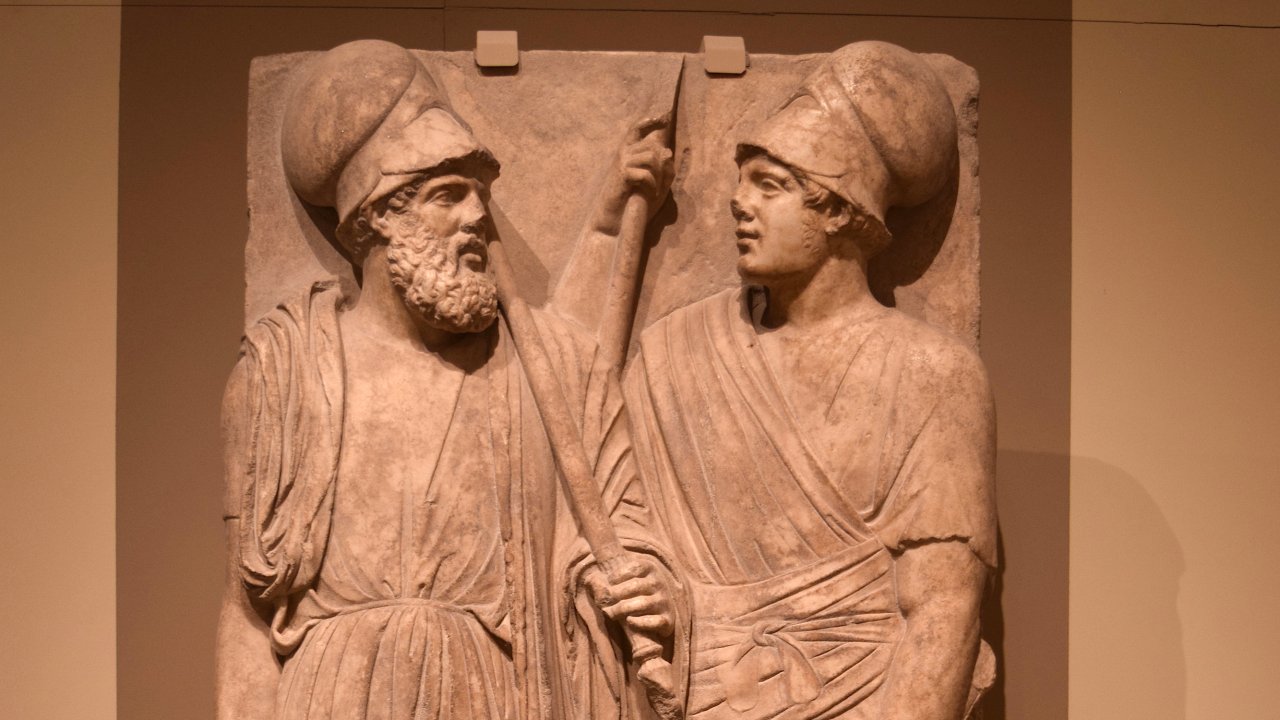
Sacred Band of Thebes Ancient Greek Love Soldiers Mass Grave Discovery Historical Mystery
The Sacred Band of Thebes: Unearthing a Legacy of Love and War
What Was the Sacred Band of Thebes?
The Sacred Band of Thebes was an elite military unit formed in 378 BCE, composed of 300 male soldiers arranged in 150 pairs of lovers. According to Plutarch, this formation was rooted in the belief that romantic bonds would foster unwavering loyalty and bravery on the battlefield. The unit played a pivotal role in Theban military success, including the decisive victory over Sparta at the Battle of Leuctra in 371 BCE.
How Did the Sacred Band Differ From Other Ancient Greek Units?
Unlike traditional hoplite phalanxes, the Sacred Band’s structure revolved around personal relationships. Historians like Xenophon noted that these soldiers fought and slept together, a practice that blurred the lines between camaraderie and romance. This unique dynamic set them apart from other Greek military units, which prioritized age-based or class-based formations.
What Evidence Supports the Sacred Band’s Existence?
Archaeological findings in 1880 near the village of Hironia in Central Greece revealed a mass grave containing 254 soldiers, many buried hand-in-hand. While the exact connection to the Sacred Band remains debated, the discovery aligns with historical accounts of their final stand at the Battle of Chaeronea in 338 BCE, where they fell to Philip II of Macedon’s forces.
Why Do Scholars Dispute the Sacred Band’s Role?
Plutarch’s accounts, written 500 years after the band’s formation, rely on fragmented sources. Some historians argue the unit’s romantic narrative was a later mythologization of Theban military prowess. However, Plato’s *Symposium* (circa 380 BCE) discusses the strategic value of lovers in battle, suggesting the concept predated the band’s formal creation.
How Did Ancient Greek Social Norms Shape the Sacred Band?
In classical Athens, homosexual relationships between older men and younger males were common but often hidden. The Sacred Band’s structure, however, may have reflected Theban societal norms that normalized such bonds. As *The Conversation* notes, these relationships combined mentorship with intimacy, though modern interpretations often focus on the sexual aspect.
What Can the Hironia Grave Tell Us?
The 1880 discovery included warriors with weapons and armor, indicating a violent death. While no definitive proof links them to the Sacred Band, the mass burial and physical positioning of bodies echo historical descriptions of the unit’s final confrontation. Skeptics, like 19th-century classical scholars, questioned the romantic angle, but recent studies emphasize the unit’s tactical innovation over its social dynamics.

What Legacy Did the Sacred Band Leave Behind?
The Sacred Band became a symbol of Theban resilience, inspiring later military reforms. Their defeat at Chaeronea marked the end of Greek city-state independence, paving the way for Macedonian dominance. Today, the site in Hironia features a lion statue, a nod to the band’s legendary courage.
How Do Modern Scholars View the Sacred Band?
Contemporary research blends historical texts with archaeological data. While the romantic aspect remains contentious, the unit’s military effectiveness is widely acknowledged. Dr. Sarah Pomeroy, a classical historian, notes that “the Sacred Band’s story reflects ancient Greece’s complex interplay of love, loyalty, and warfare.”
What Can We Learn From the Sacred Band Today?
The band’s tale offers insights into how social structures influence military strategy. Their emphasis on personal bonds contrasts with modern hierarchical models, raising questions about the role of emotion in collective action. As historian Victor Davis Hanson writes, “The Sacred Band reminds us that history is shaped not just by tactics, but by the human connections that drive them.”
Did the Sacred Band’s Relationships Influence Their Tactics?
Plato’s *Symposium* suggests that lovers would fight harder to avoid shame in each other’s eyes. This psychological dynamic may have contributed to the band’s discipline. However, Xenophon’s *Symposium* critiques such relationships, highlighting the tension between idealism and reality in ancient Greece.
FAQ
What was the Sacred Band of Thebes?
The Sacred Band of Thebes was an elite military unit of 300 soldiers, organized in 150 pairs of lovers. They fought with exceptional unity and played a key role in Theban victories during the 4th century BCE.
Is there proof the Sacred Band was romantic?
While historical texts like Plutarch’s *Life of Pelopidas* describe the band as lovers, archaeological evidence remains inconclusive. The 1880 Hironia grave shows soldiers buried together, but direct links to the band are debated.

Why is the Sacred Band significant?
The band exemplifies how social bonds could enhance military effectiveness. Their legacy endures as a symbol of courage and the intersection of love and war in ancient Greece.
Did You Know?
The Sacred Band’s final battle at Chaeronea marked the end of Greek city-state dominance, leading to Macedonian rule. Their story has inspired modern narratives about loyalty and sacrifice, from literature to film.
Pro Tips
Explore ancient Greek military tactics through the lens of social relationships. Visit the Hironia site to see the lion statue commemorating the Sacred Band. Read Plutarch’s *Life of Pelopidas* for primary accounts of their history.