
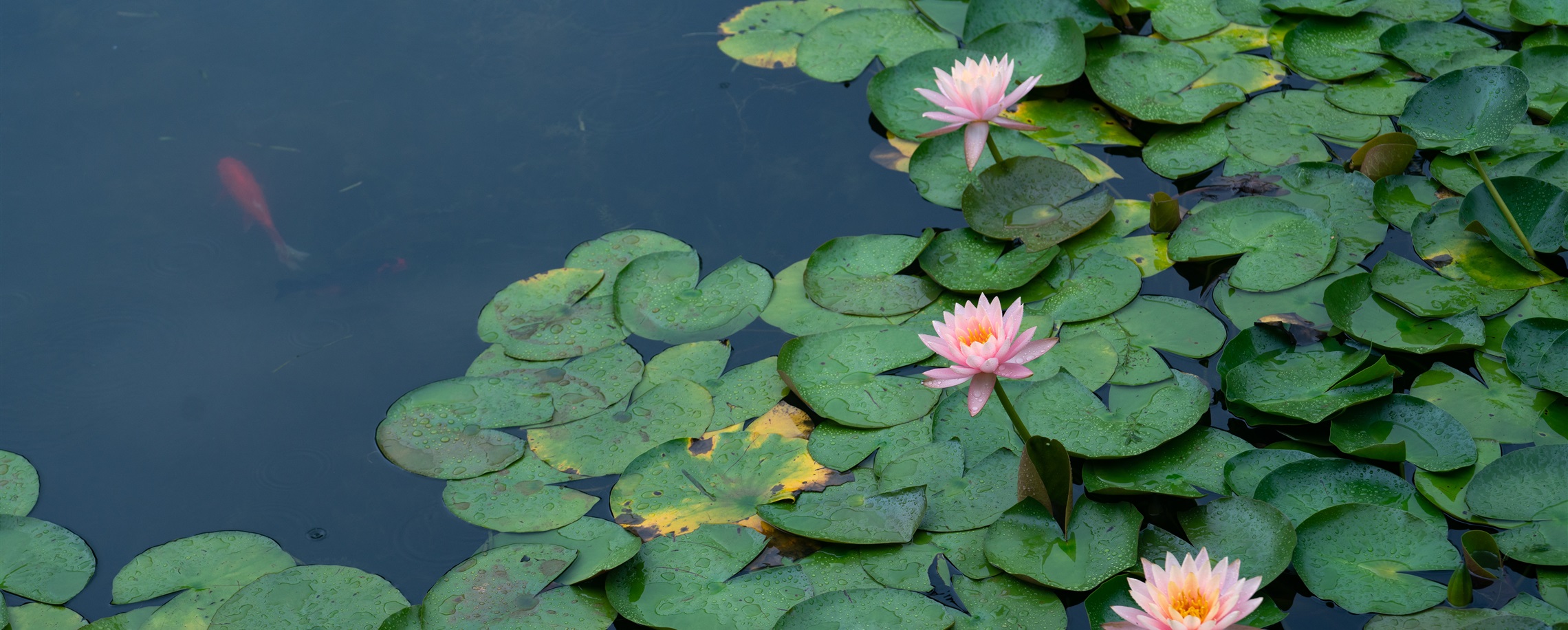
13th Shanghai Lotus and Water Lily Exhibition Opens Across the City
The 13th Shanghai Lotus and Water Lily Exhibition transforms urban spaces across seven districts, blending traditional botany with modern “night economy” tourism. Centered at Guyi Garden, the event features 500 lotus and 110 water lily varieties, integrating nature into streetscapes and night festivals to drive city engagement.
How is urban landscaping evolving beyond traditional gardens?
City planners are moving botanical displays out of gated enclosures and into the daily commute. According to exhibition details, lotus flower boxes have been installed along Tiantong Road, marking the first time lotus landscaping has been applied to Jing’an roadside green belts.
This shift toward “accessible nature” is further seen in the decoration of the “Scruffy Dog” landscape. This 5.2-meter West Highland White Terrier topiary along Suzhou Creek now features 50 premium lotus pots sourced from Guyi Garden. By placing high-value botanical specimens in public transit corridors, the city integrates nature into the urban fabric rather than keeping it as a destination-only experience.
Why is “night-blooming” tourism becoming a priority?
Botanical events are expanding their operating hours to capture the “night economy” market. Guyi Garden has specifically expanded its night-blooming water lily areas to provide day-and-night floral views. This strategy allows the venue to attract visitors who cannot visit during standard working hours.
Other districts are pairing botany with entertainment to increase dwell time. Panlong Xintiandi in Qingpu District hosts a lotus-themed night festival featuring light shows, themed parades, and river concerts. Similarly, Yangpu Park has created “starry night” lotus views paired with night markets. This transition from passive viewing to active nighttime entertainment suggests a trend where nature serves as the backdrop for broader social and commercial activities.
What role does sensory integration play in botanical events?
Modern botanical exhibitions are moving toward multi-sensory experiences to maintain visitor engagement. At Guyi Garden, the attraction extends beyond sight to taste through the service of innovative lotus-themed cuisine.
Activity-based engagement is also a key driver. Panlong Xintiandi offers kayaking tours across lotus ponds, while Zhabei Park provides hands-on workshops for lotus rubbing, sachet making, and Song brocade. Shenyuan Garden at the Shanghai Expo Culture Park takes a scholarly approach, offering ancient painting restoration experiences. These elements transform a simple flower show into a cultural hub that combines art, sport, and gastronomy.
Comparison of District Highlights
| District/Venue | Primary Attraction | Unique Experience |
|---|---|---|
| Guyi Garden (Jiading) | Main Exhibition Hub | Lotus Cuisine |
| Panlong Xintiandi (Qingpu) | Night Festival | Kayaking Tours |
| Zhabei Park (Jing’an) | Folk Performances | Sachet Making |
| Shenyuan Garden (Pudong) | Traditional Night Tours | Painting Restoration |
Frequently Asked Questions
Zhabei Park, Panlong Xintiandi, and Yangpu Park offer free admission.
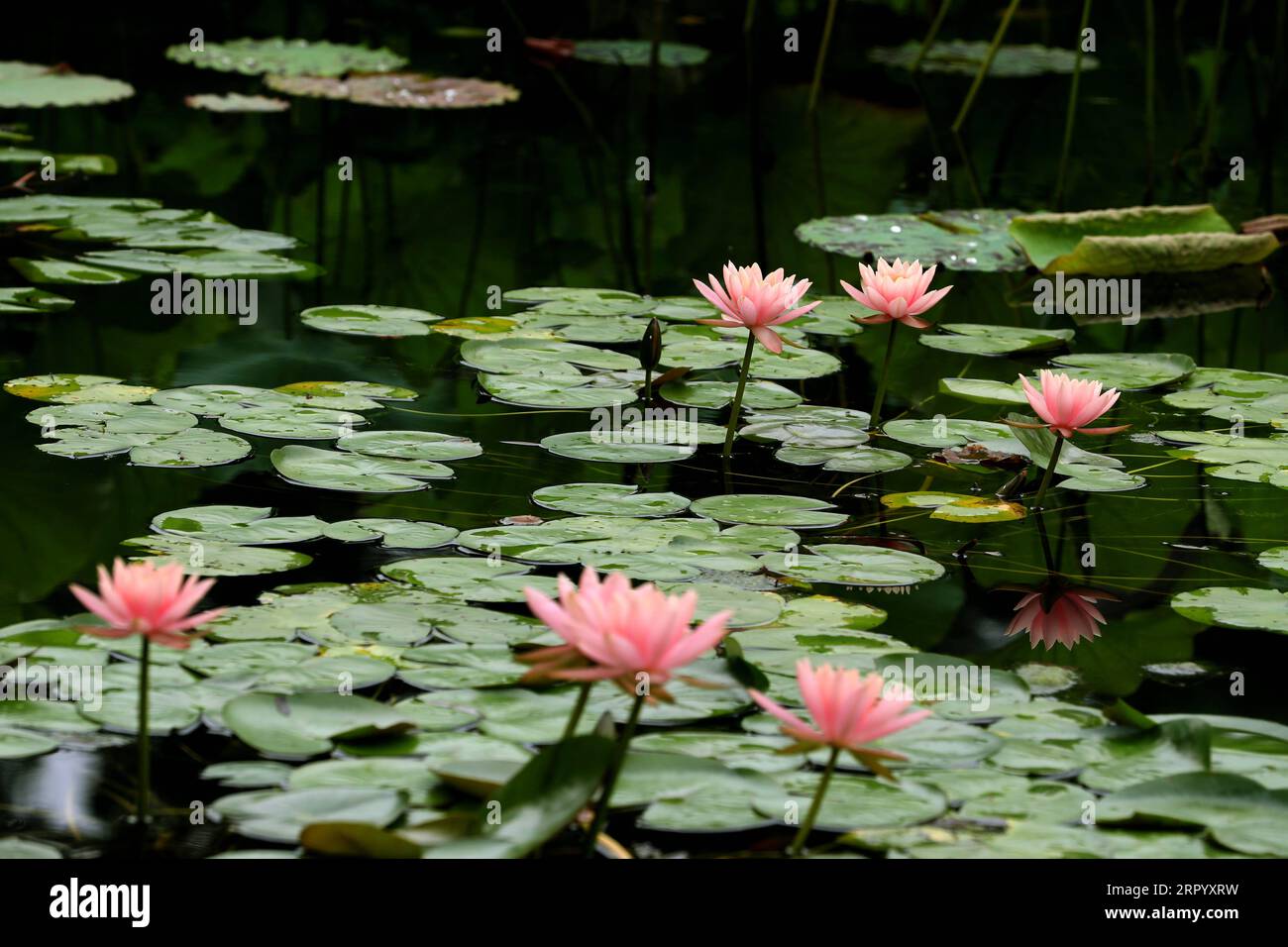
Guyi Garden serves as the core venue, displaying approximately 500 lotus and 110 water lily varieties.
Yes, Guyi Garden offers popular science tours, and Zhabei Park hosts handcraft sessions including lotus rubbing and calligraphy.
Which of these urban nature trends do you find most appealing—the street-side gardens or the midnight festivals? Let us know in the comments or subscribe to our newsletter for more updates on city transformations.