

Safe OTC Cold and Flu Medications for FSGS
People living with Focal Segmental Glomerulosclerosis (FSGS) must exercise caution when selecting over-the-counter (OTC) cold, flu, and allergy medications, as many common formulations contain ingredients that can negatively impact kidney function and blood pressure. Experts Gershman, Ngo-Hamilton, and Diaz advise that patients should consult a nephrologist or pharmacist before starting any new medication, as specific active ingredients may require dosage adjustments or should be avoided entirely.
Which OTC Medications Are Considered Safer?
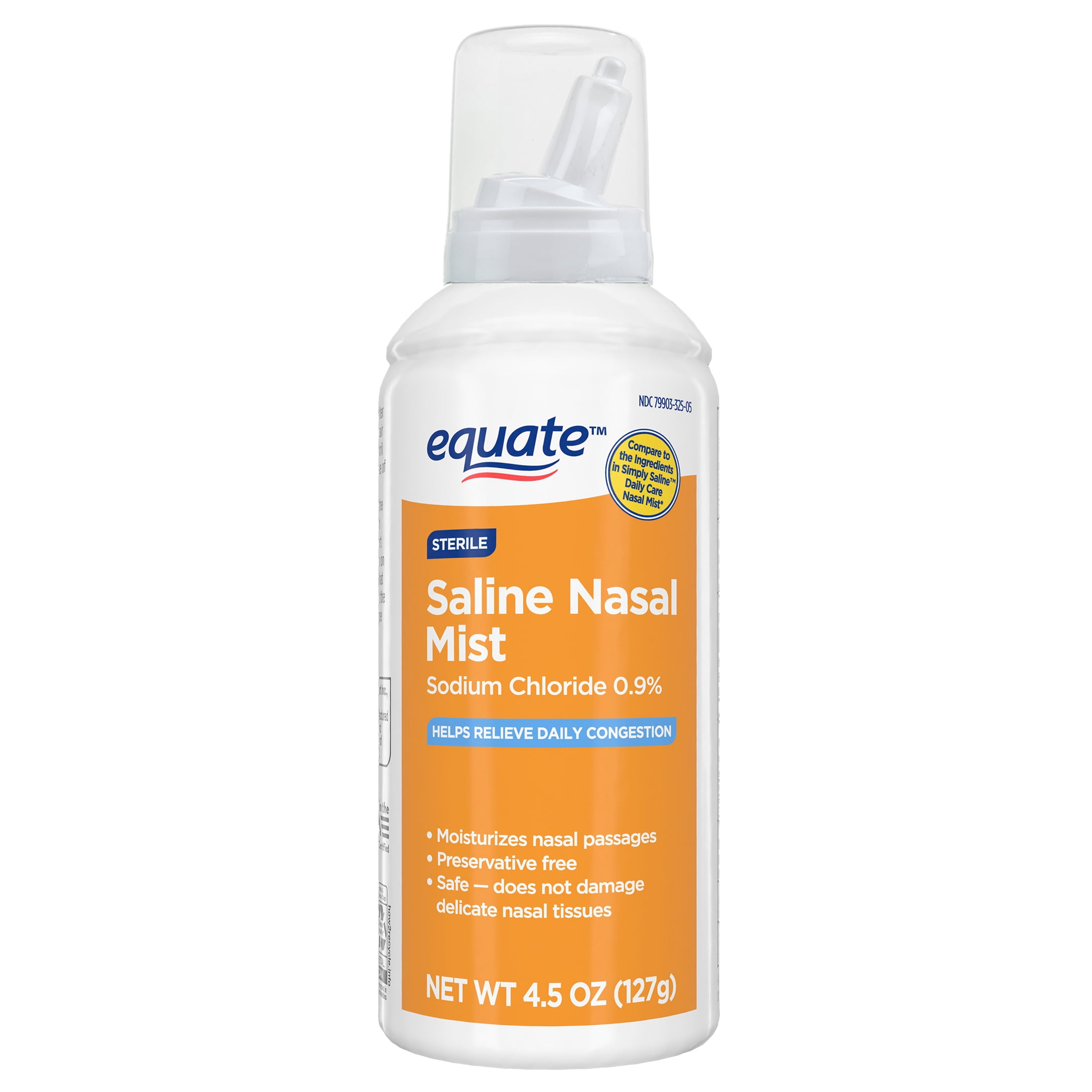
For individuals managing FSGS, safer OTC alternatives for symptom relief include dextromethorphan for coughs, guaifenesin as an expectorant, and antihistamines such as loratadine, cetirizine, or fexofenadine, according to Gershman and Ngo-Hamilton. Saline nasal sprays are also recommended for congestion because they are typically drug-free and do not affect blood pressure or kidney health. When managing fever or body aches, acetaminophen is considered a safer option, though users must be vigilant; Ngo-Hamilton warns that many combination products also contain acetaminophen, and exceeding the recommended daily dose can lead to liver complications.
/cdn.vox-cdn.com/uploads/chorus_image/image/67010259/hamilton.13.jpeg "Which OTC Medications Are Considered Safer?")
Did You Know? Saline nasal sprays are a recommended alternative for nasal congestion because they generally contain no active medication and have no impact on blood pressure or kidney function.
Which Ingredients and Products Should Be Avoided?
Patients with FSGS should avoid oral decongestants, including pseudoephedrine (found in Sudafed) and phenylephrine (found in Sudafed PE), as these can elevate blood pressure and strain the kidneys, according to Diaz. Combination cold and flu products, such as DayQuil Cold & Flu and Theraflu Daytime Severe Cold and Cough, often contain these decongestants and should be avoided. Furthermore, antihistamine products labeled with a “D”—such as Allegra-D, Claritin-D, and Zyrtec-D—contain decongestants and are not suitable for those who need to avoid such ingredients.
Ngo-Hamilton further advises against combination medications that include non-steroidal anti-inflammatory drugs (NSAIDs), which are known to cause additional kidney damage. Specific products to avoid include Advil Cold and Sinus, Advil Multi-Symptom Cold and Flu, and Sudafed Sinus 12-Hour Pressure + Pain.
What Should Patients Know About Diphenhydramine?
While diphenhydramine (Benadryl) is generally considered safe for most people with FSGS, it requires medical oversight. Diaz notes that the medication can cause urinary retention—the inability to fully empty the bladder—and may lead to prolonged drowsiness in patients with advanced chronic kidney disease. Patients are urged to confirm the appropriateness of this medication with their nephrologist before use.
Expert Insight: The primary risk for patients with FSGS lies in the “combination” nature of many pharmacy-aisle products. While an individual ingredient might be manageable, the inclusion of multiple active compounds in one dose can create a cumulative physiological burden. The safest path involves reviewing every label for hidden NSAIDs or decongestants before consumption.
Frequently Asked Questions
Why is it dangerous for people with FSGS to take NSAIDs?
NSAIDs, often found in combination cold and flu medications, can cause further damage to the kidneys, according to Ngo-Hamilton.
Are all antihistamines safe for people with FSGS?
Not necessarily. While plain antihistamines like loratadine, cetirizine, and fexofenadine are considered safer, products with a “D” in the name contain oral decongestants that should be avoided, according to Diaz.
Why should patients check with a doctor before using acetaminophen?
While acetaminophen is generally a safer option for pain and fever, it is present in many combination cold and flu products. Taking multiple products containing the ingredient increases the risk of liver problems if the recommended daily dose is exceeded, according to Ngo-Hamilton.
How do you verify the ingredients in the medications currently in your medicine cabinet?