
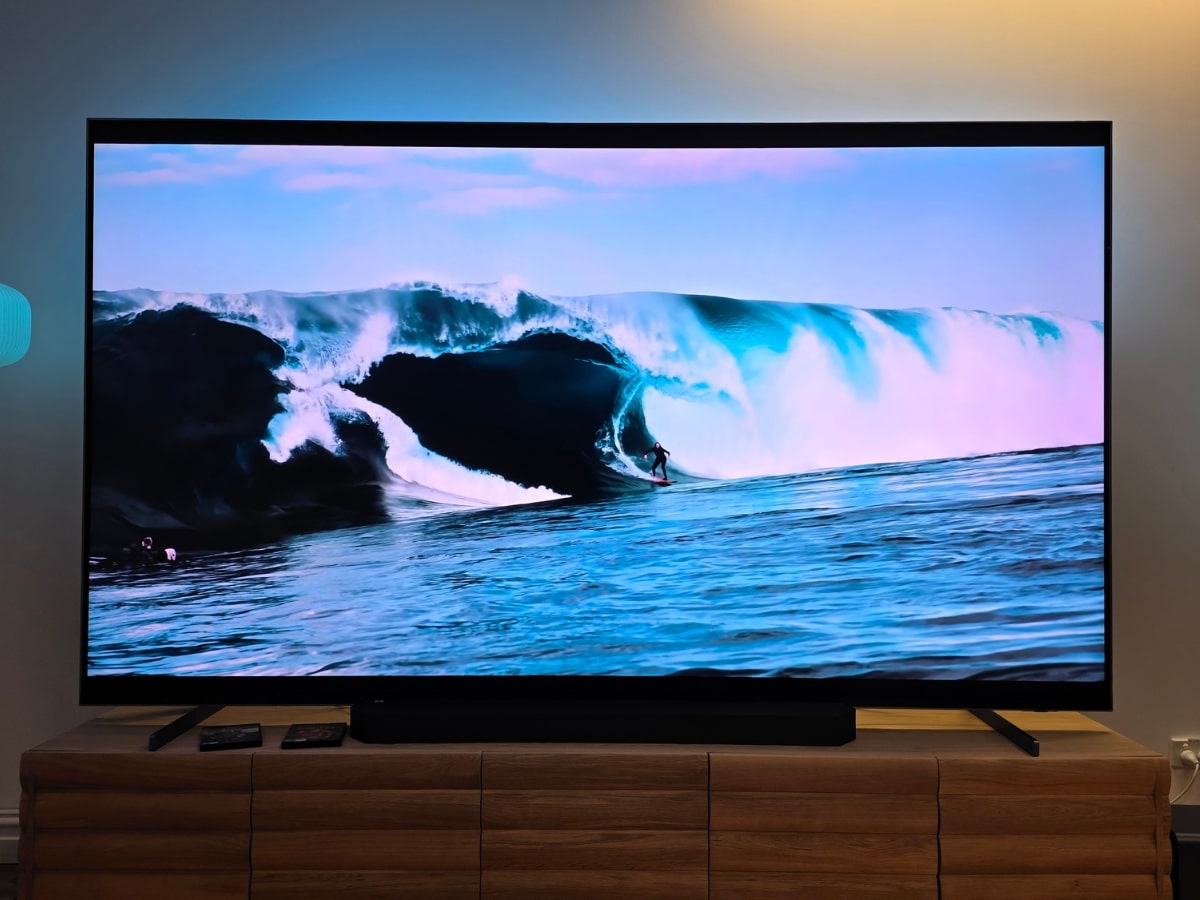
Samsung 115-Inch MR95F TV Review: This $41,995 Panel Proves Size Does Matter
The emergence of 115-inch displays like the Samsung MR95F signals a shift where massive scale no longer requires a compromise in picture quality. By utilizing Micro RGB technology—which uses individual red, green, and blue light sources at the pixel level—manufacturers can now bypass the production failures associated with large-format OLED panels. This allows for superior color accuracy, higher brightness, and the ability to achieve 100% coverage of the BT.2020 gamut, effectively setting a new standard for home cinema immersion.
Why is Micro RGB replacing traditional LED backlighting?
Micro RGB technology solves the “light leakage” problem inherent in older display types. Traditional LED TVs rely on a single-color backlight filtered through layers to produce hues, which often results in washed-out colors or “blooming” around bright objects on dark backgrounds. According to Samsung’s technical specifications for the MR95F, Micro RGB uses independent red, green, and blue light sources at the foundational level.
This granular control allows the panel to produce 134 million shades per primary color. In practice, this means the TV can display richer blacks and more nuanced color gradients than standard mini-LED models, which typically cover only about 45% of the colors the human eye can perceive. By hitting 100% of the BT.2020 color gamut, this technology creates a viewing experience that mirrors the color volume of high-end professional cinema monitors.
The Micro RGB LEDs in the latest flagship panels measure less than 100 micrometres in size. To put that in perspective, a human hair is roughly 50 to 100 micrometres wide, meaning these light sources are nearly invisible to the naked eye.
How does screen size affect home theater standards?
As screens push past the 100-inch barrier, the primary challenge for engineers has been maintaining pixel density and structural integrity. For years, OLED was the gold standard for contrast, but manufacturing large OLED panels (80 inches and above) historically resulted in high failure rates, keeping prices prohibitive and availability low.
The shift toward Micro RGB allows for large-scale production without the same fragility. While a 115-inch display like the MR95F requires significant floor space—and often structural planning for wall mounting—it provides an immersive field of view that smaller panels cannot replicate. Industry trends suggest that as production scales, the cost of this technology will likely drop, bringing “cinema-sized” visuals into the living room without the technical flaws that plagued early large-format flat screens.
What is the role of AI in modern picture processing?
Modern displays are no longer just glass and diodes; they are high-speed computing devices. Samsung utilizes an AI-driven engine to manage the independent control of millions of RGB LEDs in real-time. This processing is essential when upscaling legacy content.
When you watch older 1080p content on a 115-inch 4K panel, the AI works to “fill in the gaps.” It identifies patterns in the source material and adds color information that wasn’t originally present. While this can sometimes lead to a “processed” look, the current iteration of this technology significantly reduces noise and color banding in low-light scenes, such as the high-contrast sequences found in modern blockbusters like Sinners.
Comparison: Display Technologies at a Glance
| Technology | Color Accuracy | Large-Format Suitability |
|---|---|---|
| OLED | Excellent | Difficult (High production failure) |
| Standard LED | Average | High |
| Micro RGB | Superior | High |
Frequently Asked Questions
Do I need a soundbar for a 115-inch TV?
Yes. Because modern TV panels are incredibly slim, there is no physical space for high-quality, large-driver speakers. To match the scale of the image, an external sound system or a dedicated home theater setup is essential.

Is Micro RGB the same as Micro LED?
While related, Micro RGB refers specifically to the light-source arrangement. It is a refinement of how colors are emitted at the diode level to ensure higher color purity and better gamut coverage.
Will these TVs get cheaper?
Historically, new display technologies follow a price-drop curve. As brands like LG and Hisense develop their own versions of high-accuracy RGB lighting, competition will likely drive prices down over the next three to five years.
If you are planning to invest in a massive panel, prioritize your room’s light control. Even the best Micro RGB screens can struggle with glare. Consider blackout curtains to truly get the most out of the deep blacks and high contrast ratios.
Are you considering a jump to a 100-inch+ display, or do you prefer the “sweet spot” of 65 to 77-inch panels? Share your thoughts in the comments below or subscribe to our newsletter for more deep dives into display technology.