
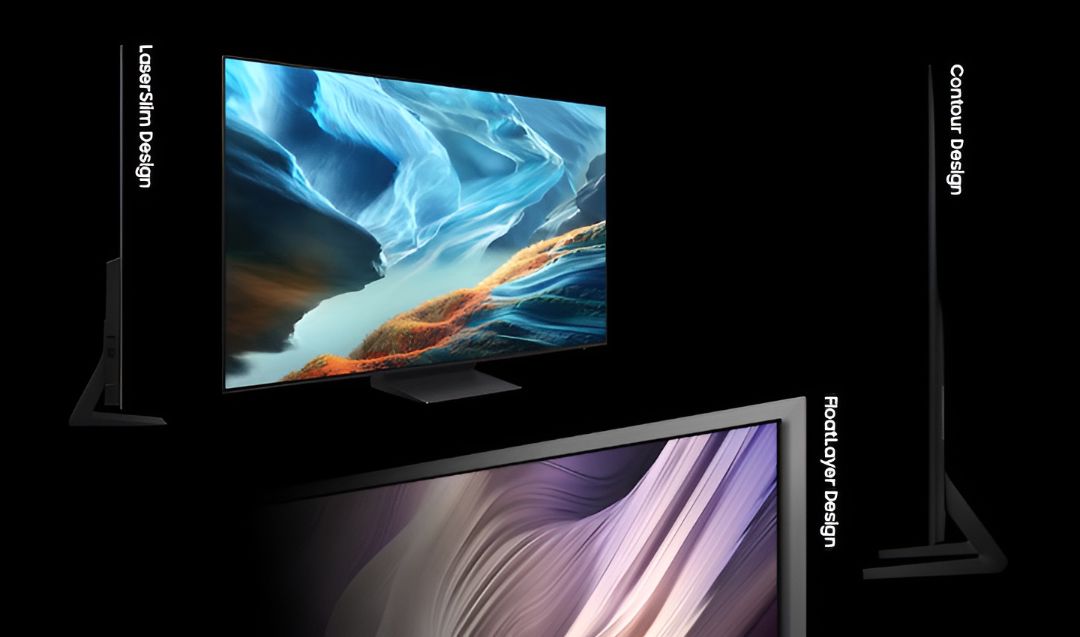
Samsung Display Unveils 16 New OLED Gaming Displays at Computex 2026
The OLED Revolution: How Samsung Display is Redefining the Gaming Landscape
The gaming industry is undergoing a seismic shift. For years, LCD technology held a firm grip on the market, but as we move further into the era of high-fidelity gaming, OLED (Organic Light-Emitting Diode) is rapidly becoming the gold standard. Samsung Display’s recent push at Computex highlights a pivotal moment: the transition from “good enough” displays to ultra-immersive, high-performance visual experiences.
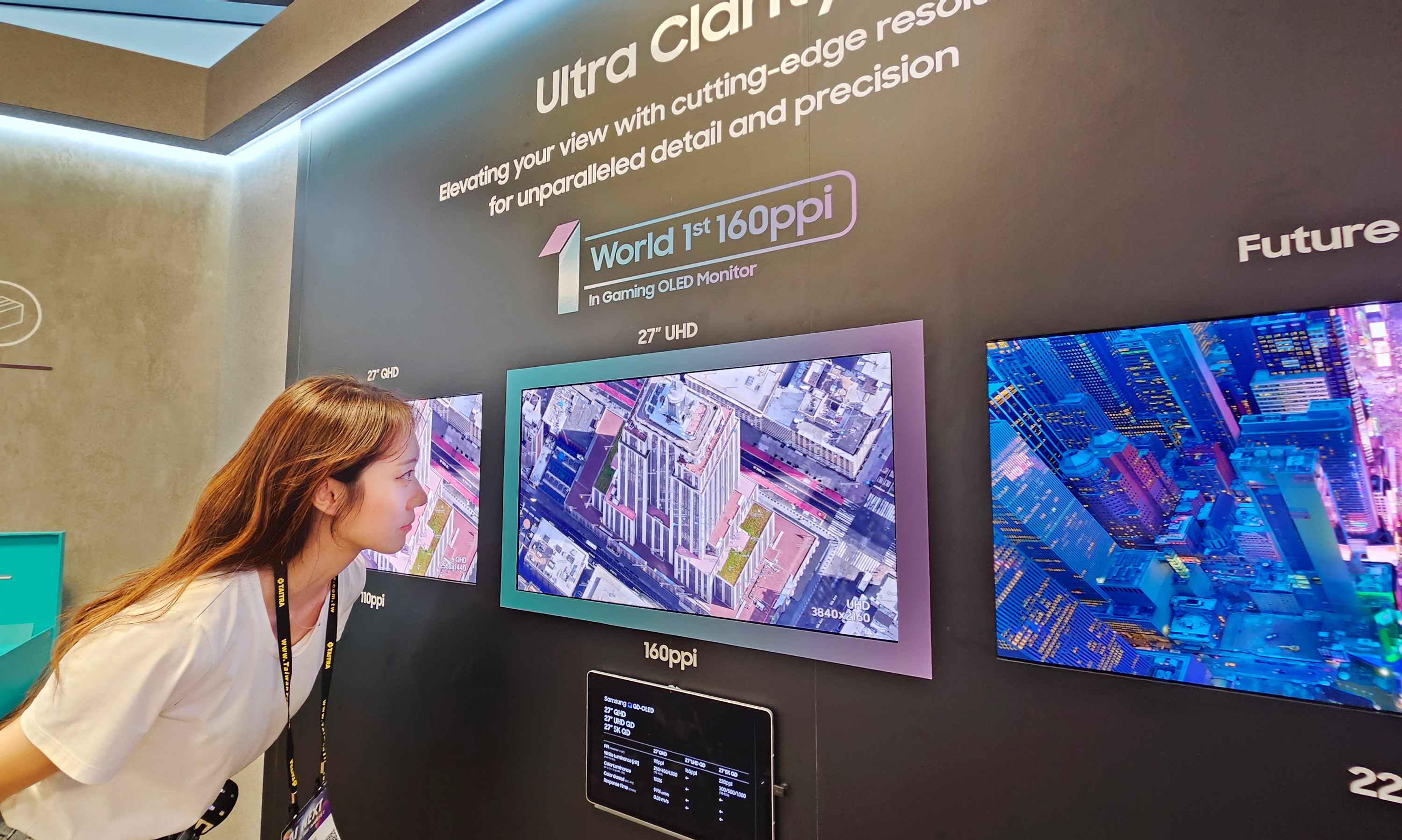
With the introduction of panels ranging from 8.8-inch portable screens to massive 49-inch curved monitors, the industry is signaling that OLED is no longer just for high-end televisions—it is the new frontier for every gamer.
The Rise of Ultra-Thin, High-Performance Laptops
One of the most exciting developments is the pursuit of thinner form factors without sacrificing raw power. Samsung’s recent breakthrough in reducing the thickness of TFT and encapsulation glass by over 20% is a game-changer for laptop manufacturers.

For gamers, this means lighter, more portable rigs that don’t compromise on visual fidelity. When you pair this thinness with features like VESA True Black 1000 certification and ClearMR 11000, you aren’t just getting a slim device; you are getting a professional-grade color-accurate display that rivals desktop setups.
Why Refresh Rates Matter More Than Ever
We’ve reached a point where 60Hz is a relic of the past. The industry is now pushing the envelope with 360Hz and even 500Hz refresh rates. Why does this matter? For competitive gamers, the difference between seeing an opponent a millisecond earlier is the difference between a win and a loss. The integration of 4K resolution with 360Hz refresh rates, a feat once thought impossible for OLED, is now the benchmark for premium gaming gear.
What This Means for the Future of Display Tech
The dominance of LCD is waning. Industry experts suggest that the premium segment has already tipped in favour of OLED. As manufacturing costs decrease and technologies like QD-OLED (Quantum Dot OLED) become more efficient, we can expect these panels to trickle down from the “enthusiast tier” to mainstream gaming monitors.

- Increased Longevity: Newer multi-layer OLED structures are drastically reducing the risk of burn-in.
- Brighter HDR: Modern panels are finally hitting the brightness levels required for true HDR impact in sun-drenched environments.
- Versatility: From handheld consoles to ultra-wide desktop setups, OLED is being optimized for every screen size imaginable.
Frequently Asked Questions (FAQ)
Yes. OLED offers near-infinite contrast ratios, faster response times and better colour accuracy compared to traditional LCD/IPS panels.
It is a display architecture that stacks multiple OLED layers to increase brightness and extend the lifespan of the panel, solving common OLED durability issues.
With modern pixel-shifting technology and improved materials like those used in current QD-OLED panels, the risk is significantly lower than it was five years ago, making them safe for daily gaming sessions.
Are you planning to upgrade your gaming monitor this year? Do you prefer the portability of a high-end laptop or the immersive experience of a 49-inch ultra-wide display? Let us know your thoughts in the comments below or subscribe to our newsletter for the latest in tech trends.