

Samsung Galaxy Watch 7 Prime Day Deal: Get This Powerful Smartwatch for Just £99
Samsung’s Galaxy Watch 7 has lowered the entry barrier for advanced health tracking by bringing 3nm processing and BioActive sensors to a sub-£100 price point. This shift indicates a broader industry trend where AI-driven “readiness” scores and medical-grade sleep coaching are moving from luxury niches into standard consumer electronics.
How is AI changing the way we track fitness?
Wearables are moving past raw data collection. While basic trackers focus on step counting and notification mirroring, the Galaxy Watch 7 introduces the AI-powered Energy Score. This feature synthesizes heart rate variability, sleep quality, and activity data into a single readiness number.
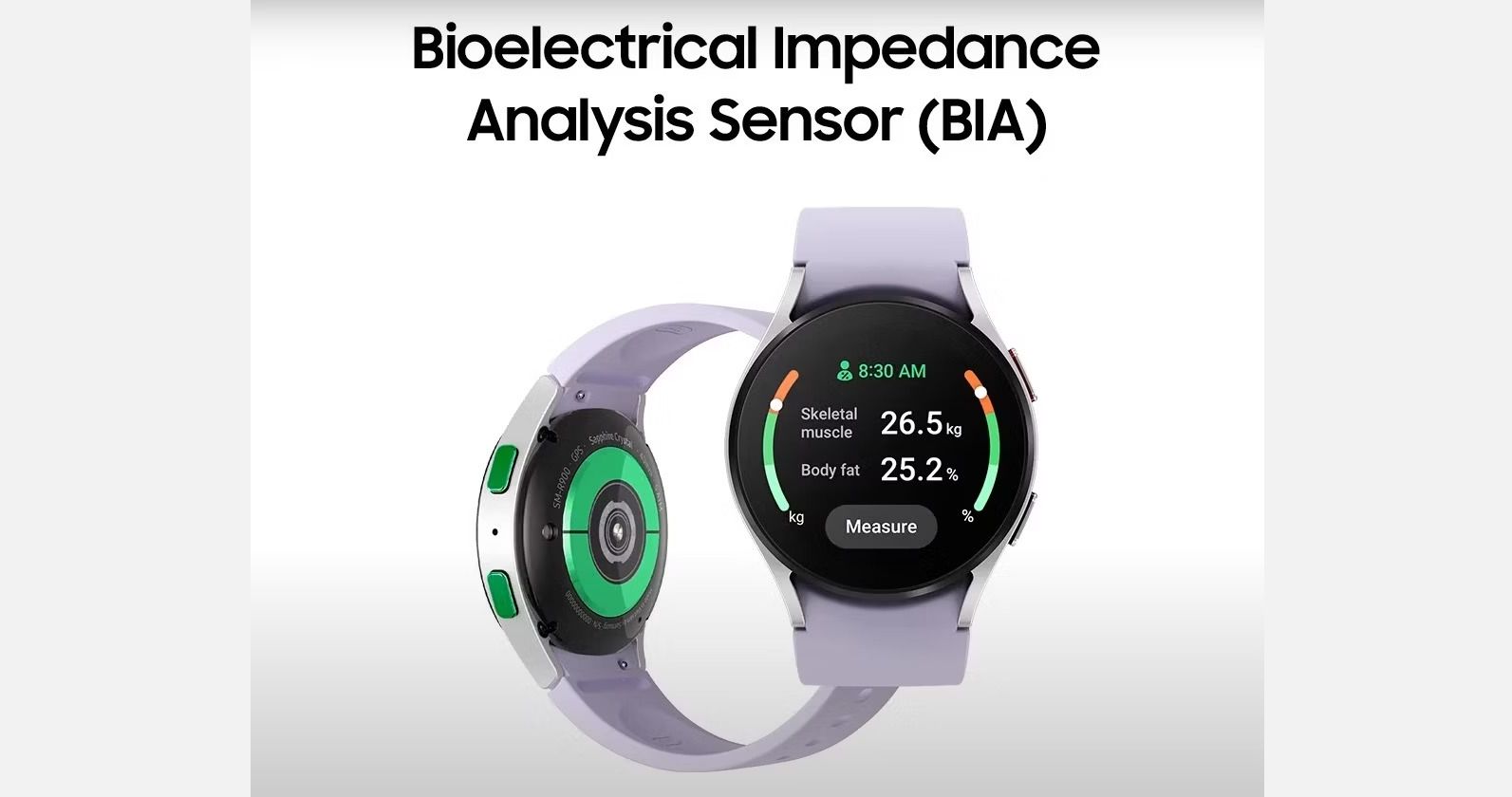
According to the device specifications, this shift allows users to determine whether to push for a high-intensity workout or prioritize recovery. It’s a move toward “predictive health,” where the watch doesn’t just tell you what happened yesterday, but suggests what to do today.
Will wearable sensors eventually replace clinical tools?
The integration of the 13-LED BioActive Sensor suggests a push toward clinical-grade precision in consumer hardware. This sensor tracks blood pressure and heart rate with a level of accuracy that the source describes as closer to mid-range professional equipment than entry-level wearables.
When paired with Sleep Coaching—which analyzes nightly patterns to offer personalized improvements—the technology begins to mirror the function of sleep clinics. The trend is clear: sensors are becoming more dense and data points more granular.
However, a gap remains between consumer tech and medical devices. For instance, while the Galaxy Watch 7 tracks these metrics, the “mixed bag” of AI insights noted in performance reviews shows that interpreting this data is still a work in progress compared to a physician’s analysis.
What happens next for wearable connectivity and power?
The use of a 3nm processor in the Galaxy Watch 7 ensures fluid app switching and reduces lag, but it highlights a persistent industry struggle: the trade-off between performance and battery life. Despite the efficient chip, battery life remains a noted weakness.
Connectivity is also in a transition phase. The Galaxy Watch 7 utilizes dual-frequency GPS (L1 and L5 bands) for precision, yet it still routes GPS via the smartphone. This “tethered” approach limits the device’s independence during outdoor activities.
Comparison: Entry-Level vs. Advanced Wearables
| Feature | Basic Tracker | Galaxy Watch 7 |
|---|---|---|
| Primary Metrics | Steps, Notifications | HRV, BP, Sleep Patterns |
| Processing | Basic MCU | 3nm Processor |
| Insight Level | Raw Totals | AI Energy Scores |
Why does the price drop matter for the industry?
When a device with a 1,000-nit AMOLED display and advanced BioActive sensors drops below £100, it forces other manufacturers to accelerate their feature roadmaps. This democratization of tech means high-end health monitoring is no longer a premium-only luxury.
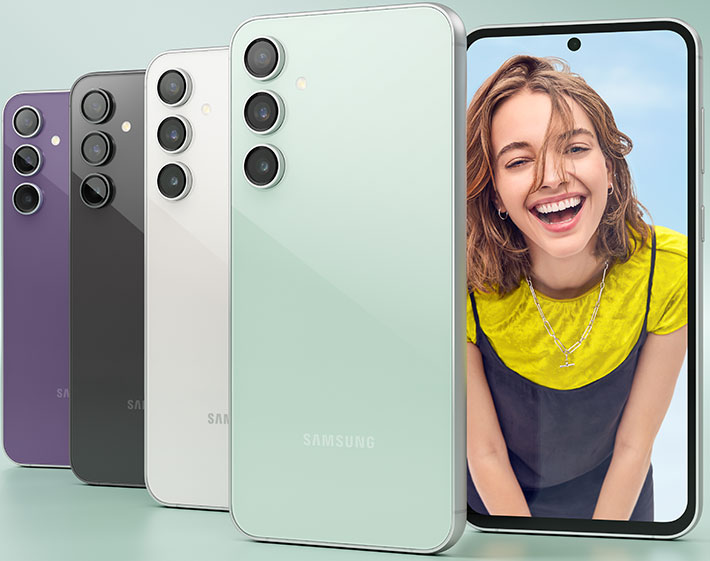
This pricing strategy likely aims to lock users into the Android and Samsung ecosystem, making the cost of switching to a competitor higher once the user relies on their historical AI health data. You can learn more about these ecosystem trends at Samsung’s official site or check out our guide on the best Android wearables.
Frequently Asked Questions
Does the Galaxy Watch 7 work without a phone?
While it handles many tasks independently, its GPS currently routes via a connected smartphone, meaning location tracking is limited if the phone is left behind.
What is an Energy Score?
It’s an AI-generated number based on your sleep, heart rate variability, and previous day’s activity to indicate your physical readiness for the day.
Is the screen readable in sunlight?
Yes, the AMOLED display reaches 1,000 nits, which is designed to maintain visibility in direct sunlight.
Are you upgrading your wearable this year? Let us know in the comments if AI health scores actually change your workout routine, or subscribe to our newsletter for more tech breakdowns.