
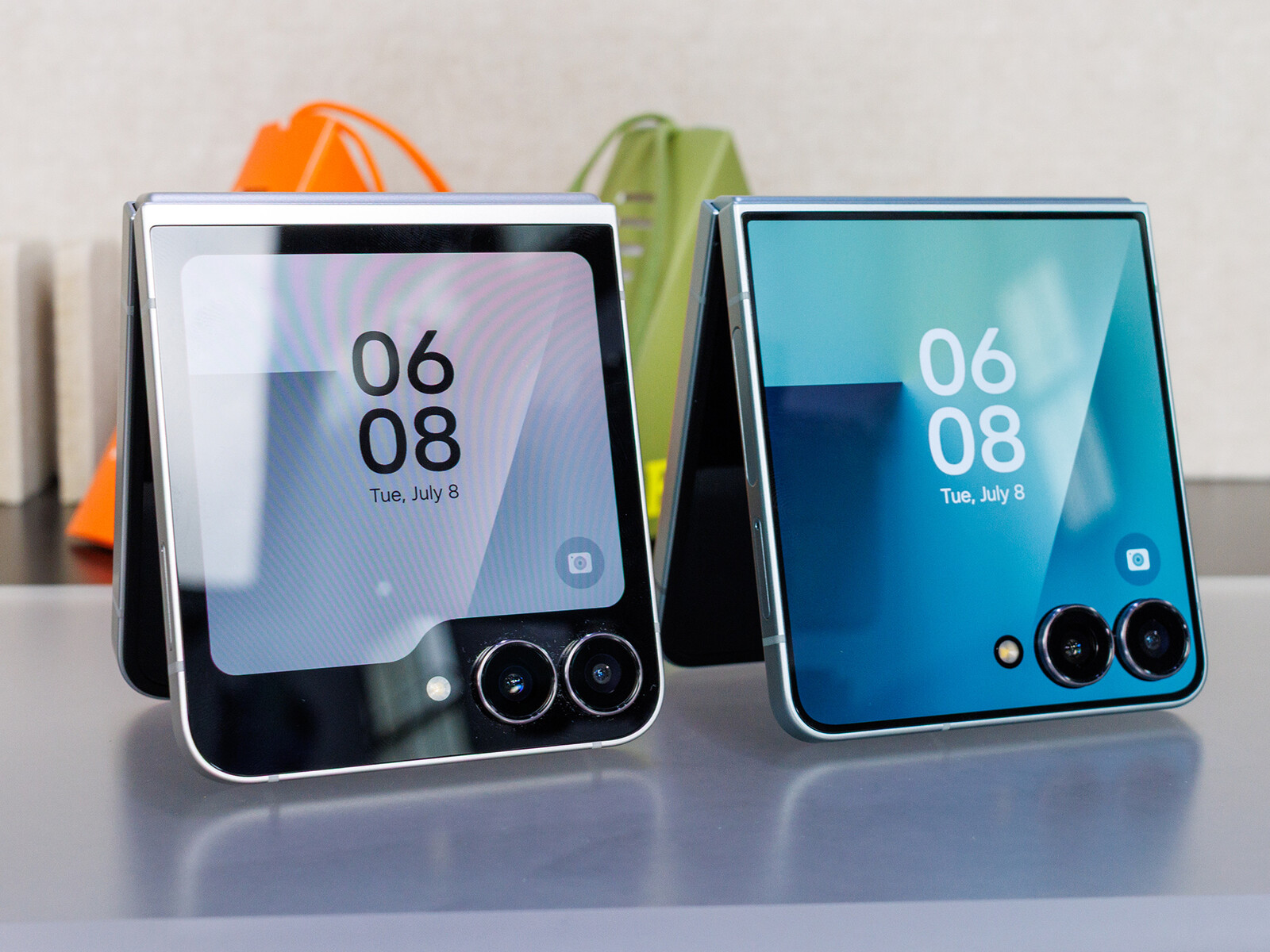
Samsung Galaxy Z Flip8 to Use Exynos 2600 and Snapdragon by Region
Samsung is reportedly shifting the Galaxy Z Flip8 to a regional chipset strategy, deploying the Exynos 2600 in Europe and South Korea while using Qualcomm Snapdragon for other markets. According to The Bell, this move helps Samsung offset rising component costs for RAM and flash memory while targeting the Flip’s style-conscious demographic.
For years, the “chipset lottery” has been a point of contention for Samsung fans. Depending on where you live, you either get the raw power of a Snapdragon or the integrated efficiency of an Exynos. With the upcoming Galaxy Z Flip8, Samsung isn’t just continuing this trend—they’re leaning into it to protect their bottom line.
Why is Samsung splitting the Galaxy Z Flip8 chipsets by region?
The decision comes down to a calculated bet on user behavior and supply chain economics. According to an insider from the Samsung MX-division, the typical Galaxy Z Flip buyer prioritizes aesthetics, portability, and the “wow” factor of the folding screen over benchmark scores. They aren’t typically using their phones for heavy video editing or high-end gaming.
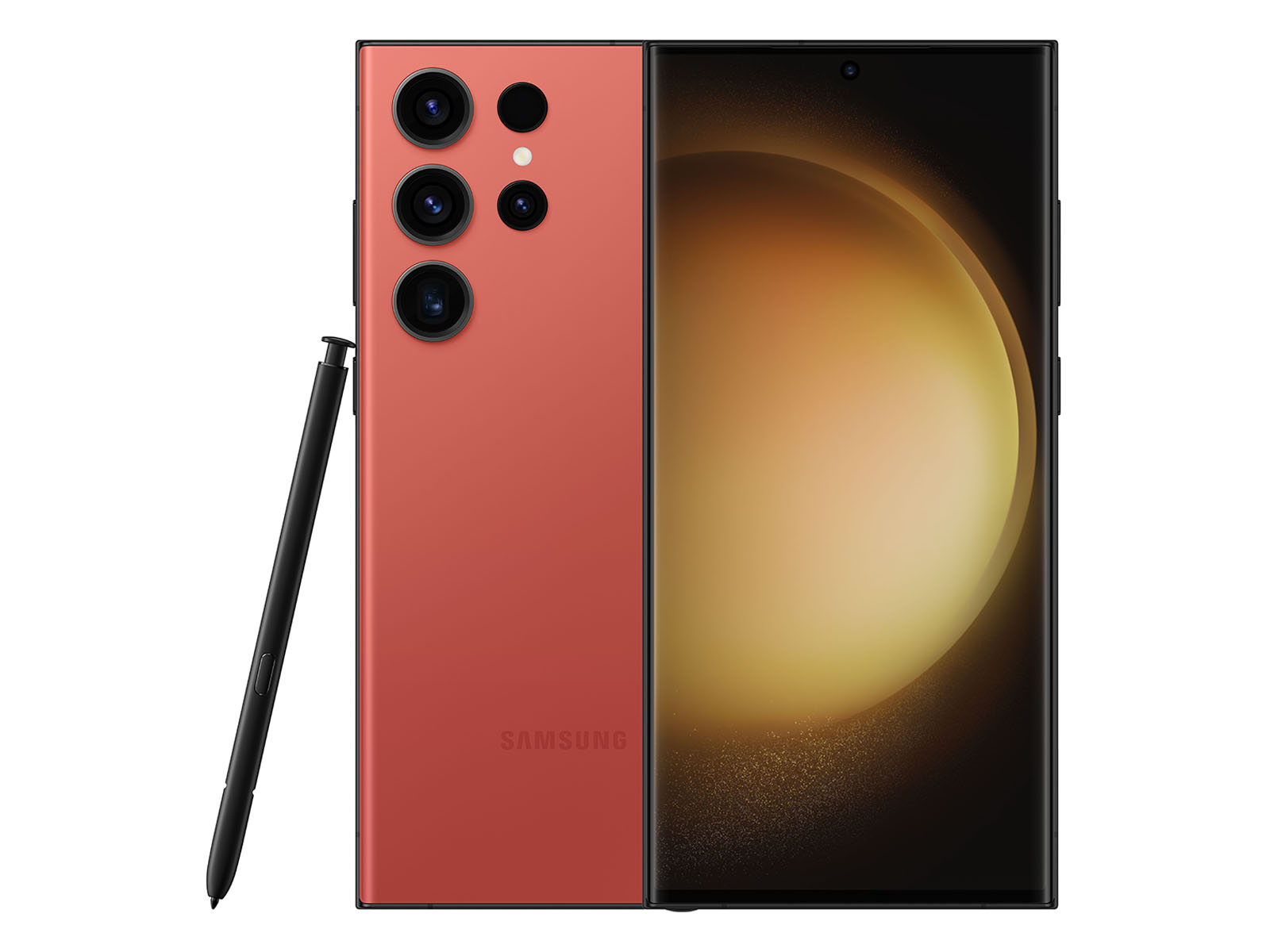
Because the Flip’s target audience doesn’t demand peak raw computing power, Samsung sees an opportunity to use its own Exynos 2600 silicon in specific markets. This isn’t just about preference; it’s about survival in a volatile market. The company is currently battling spiking costs for RAM and flash memory. By using the cheaper, internally produced Exynos chips in Europe and South Korea, Samsung can absorb those memory cost increases without hiking the retail price for consumers.
How does the Z Flip8 strategy differ from the Z Fold8?
Samsung is drawing a hard line between its two foldable categories. While the Flip8 will be a hybrid of Exynos and Snapdragon, the Galaxy Z Fold8 and the rumored Galaxy Z Fold Wide will remain exclusively Snapdragon-powered globally.

The logic here is simple: the Fold is marketed as a productivity powerhouse. It’s a tablet in your pocket meant for multitasking and “pro” workflows. Putting an Exynos chip in the Fold would likely alienate its core demographic of power users and corporate executives. By keeping the Fold exclusively Snapdragon, Samsung maintains its prestige at the top end of the market while optimizing costs on the more “lifestyle-oriented” Flip.
This creates a clear divide in Samsung’s 2025 lineup. The Galaxy S26 and S26+ are already following a similar path, utilizing the Exynos 2600 in most regions outside of North America, China, and Japan.
Will the Exynos 2600 impact real-world performance?
For the average user, the difference is often negligible. However, the shift matters for two specific groups: gamers and battery-life enthusiasts. Snapdragon chips traditionally hold an edge in GPU efficiency and thermal management under heavy loads.
According to reporting from The Bell, the Exynos 2600 is designed to be a “bright spot” for Samsung’s premium line. By integrating the chip into the S26 series and the Z Flip8, Samsung is betting that the performance gap has closed enough that a user scrolling Instagram or sending emails in London or Seoul won’t notice the difference compared to a user in New York.
The real winner here is Samsung’s LSI and foundry divisions. By guaranteeing a high volume of Exynos 2600 orders for the Z Flip8 and S26, Samsung creates a more stable internal ecosystem, reducing its total reliance on Qualcomm.
What happens next for Samsung’s foldable lineup?
The industry is now looking toward July 22, the date Samsung is reportedly preparing for the official launch of the Galaxy Z Flip8, Z Fold8, and Z Fold Wide. This event will confirm whether the regional split is as aggressive as the leaks suggest.
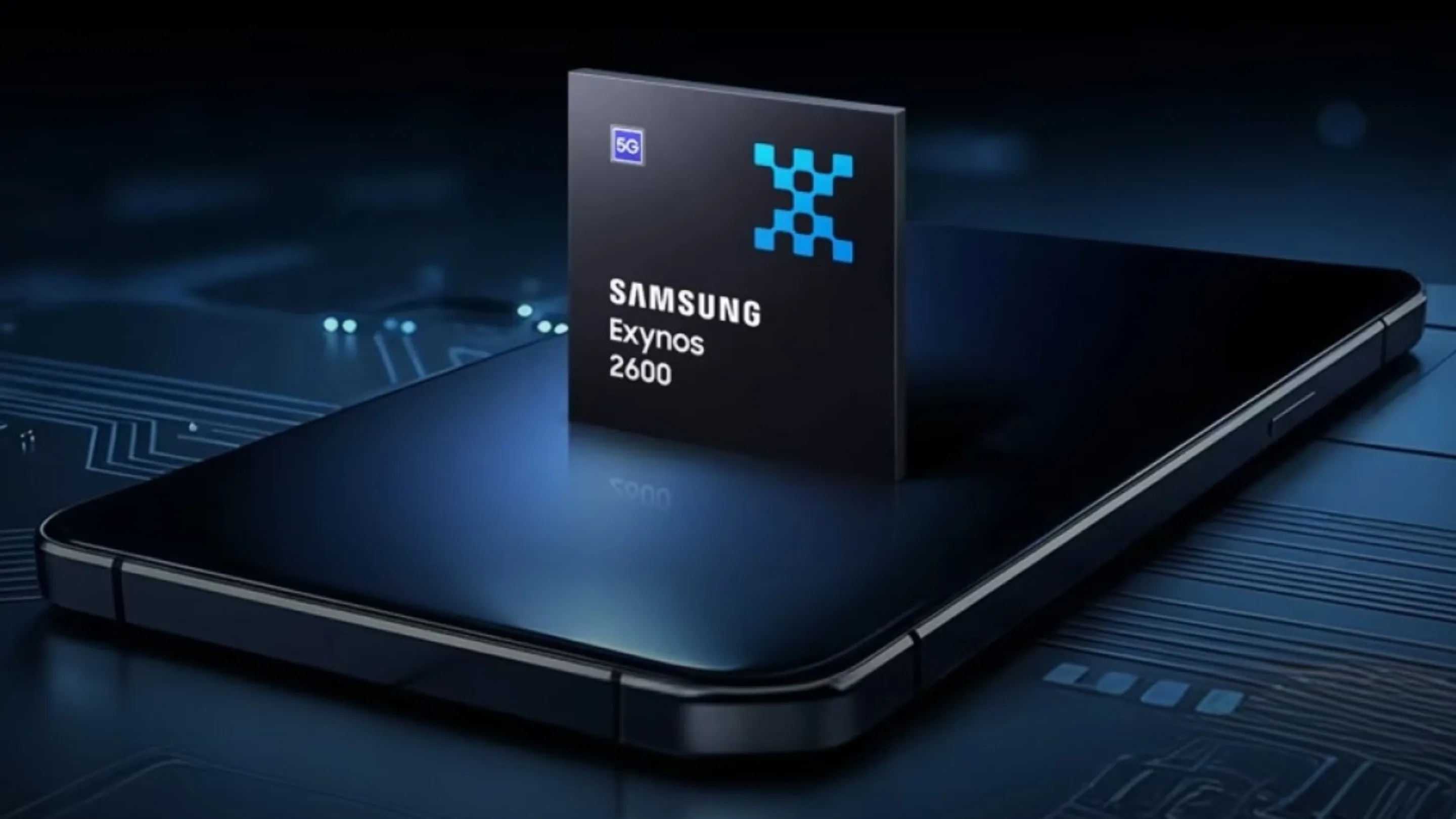
If the Exynos 2600 performs well in the Flip8, expect Samsung to push this regional strategy further into their mid-range A-series. If it fails to meet thermal or battery expectations, we might see a panicked pivot back to Snapdragon—though the current cost of RAM and flash memory makes that an expensive fallback.
Frequently Asked Questions
Which regions will get the Snapdragon Galaxy Z Flip8?
Based on current reports, the Snapdragon version will be available in most global markets, excluding South Korea and Europe.
Will the Galaxy Z Fold8 have an Exynos version?
No. Reports indicate the Z Fold8 and Z Fold Wide will use Snapdragon chips exclusively worldwide.
Why does Samsung use different chips in different countries?
It’s a mix of cost management and supply chain strategy. Using their own Exynos chips reduces costs and supports their internal manufacturing divisions.
When is the Galaxy Z Flip8 being released?
Samsung is expected to unveil the new foldables during an event on July 22.
What do you think? Does the chipset inside your phone actually matter if the design is perfect, or is the “chipset lottery” a dealbreaker for you? Let us know in the comments below or subscribe to our newsletter for the latest in mobile tech leaks.