

Samsung’s Sky Portal Studio: Create Your Story
Beyond the Lens: How AI and Immersive Tech are Redefining Personal Expression
We’ve long moved past the era where a smartphone camera was merely a tool for snapshots. Today, we are witnessing a seismic shift in how we document our lives. As seen at major cultural touchstones like Vivid Sydney, the barrier between “spectator” and “director” is rapidly dissolving, thanks to the integration of generative AI and professional-grade mobile technology.

This isn’t just about taking better photos; it’s about the democratization of high-end production. When you can manipulate your environment, edit out photobombers with a single tap, or reimagine your digital wardrobe in real-time, you aren’t just capturing a moment—you are curating a narrative.
The Rise of the Prosumer Creator
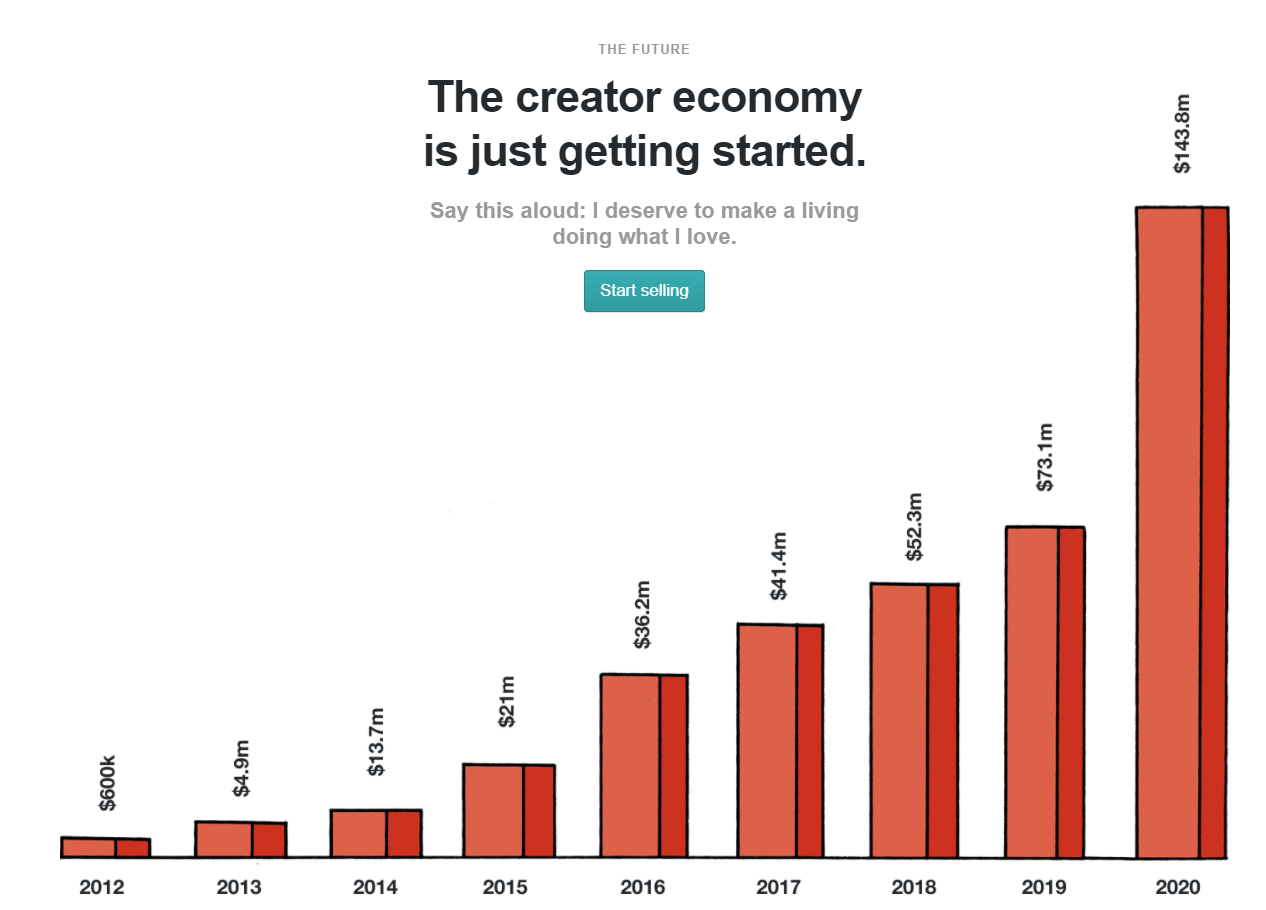
The “prosumer” movement is no longer limited to hobbyists with expensive DSLRs. According to recent data from the Creator Economy Report, over 60% of Gen Z and Millennial creators now rely primarily on mobile devices for professional-grade content creation. The technology found in flagship devices, like the latest Galaxy S-series, acts as a personal film school, teaching users about horizontal locking, tracking shots and professional composition through intuitive AI-guided software.
AI as Your Ultimate Digital Stylist
Perhaps the most exciting frontier is the evolution of the “Digital Wardrobe.” We are moving toward a future where “getting ready” for an event includes a digital component. Generative AI is allowing users to experiment with fashion, lighting, and background aesthetics that would have required a full production team just five years ago.
This trend is gaining massive traction in the fashion industry, where brands are increasingly using virtual try-on technology to reduce waste and increase consumer engagement. By bringing this power to the average user via mobile activations, companies are teaching us how to be the art directors of our own digital lives.
Democratizing Post-Production
Editing was once the gatekeeper of high-quality media. Today, “Erase the Extras” and AI-driven object manipulation mean that the perfect shot is no longer ruined by a busy background. By shifting the focus from technical mastery to creative vision, AI is allowing a broader range of voices to tell their stories, effectively expanding the “female gaze” in media and photography.
Did you know? Studies suggest that content featuring human-centric storytelling with high-quality visual composition receives 3x more engagement on social platforms than generic, unedited footage.
The Future of Collaborative Storytelling
The next iteration of social media won’t just be about individual profiles; it will be about massive, city-scale collaborative projects. When thousands of people contribute their unique perspectives to a single, unified film, we create a digital tapestry of a moment in time. This shift from “my grid” to “our story” is the next big evolution in how we use our devices to connect with our cities and each other.

Frequently Asked Questions
- Q: Do I need advanced technical skills to use AI photo editing tools?
A: Not at all. Modern AI tools are designed for intuitive use, often requiring just a tap or a gesture to perform complex tasks like object removal or lighting adjustments. - Q: How is AI changing the fashion industry?
A: AI is enabling virtual try-ons and digital styling, allowing users to experiment with outfits and aesthetics without the need for physical garment changes or professional studio setups. - Q: Will AI replace human creativity?
A: No. AI serves as a tool to enhance human creativity. It removes the technical hurdles, allowing the creator to focus more on the narrative and the “why” behind their content.
Are you ready to step into the director’s chair? We want to see how you are using new tech to capture your world. Drop a comment below or share your latest creation with us on social media using #TechCreator. Want more insights on the future of mobile tech? Subscribe to our newsletter to stay ahead of the curve.