
Chamber of mines chief broke down in tears and quit in chaotic leadership vote
The Chamber of Mines of Zimbabwe is embroiled in a leadership crisis after President John Musekiwa resigned during a May 28 meeting. According to industry sources, the subsequent election of Fungai Makoni bypassed traditional succession and was marked by allegations of voter coercion and procedural irregularities.
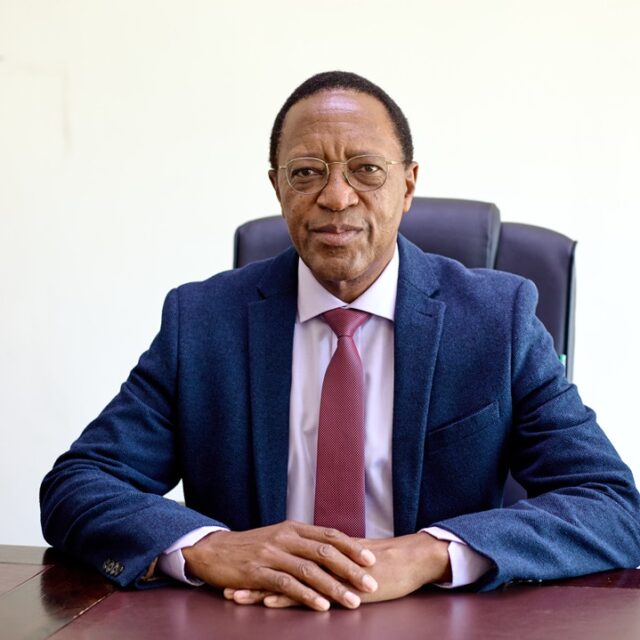
John Musekiwa, president of the Chamber of Mines of Zimbabwe and CEO of ZIMASCO, quit mid-meeting on May 28, declining an endorsement he had previously received. The resignation occurred during an online Annual General Meeting (AGM) attended by 34 paid-up members, according to reports from industry sources.
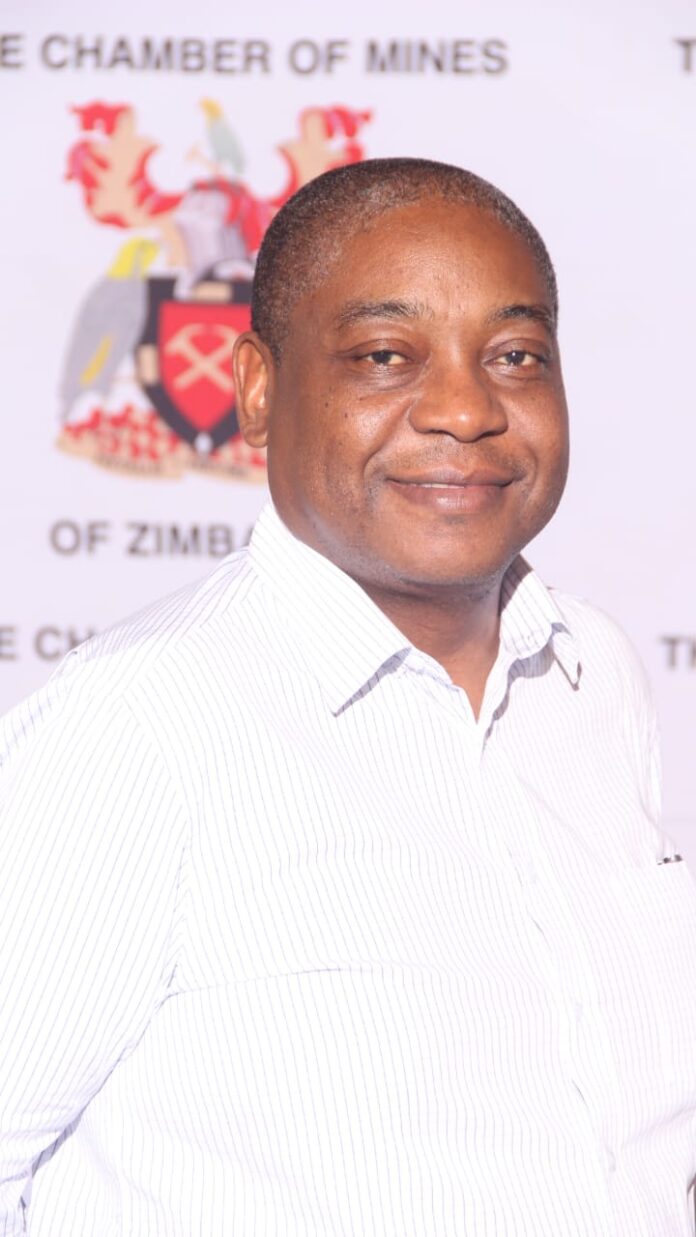
The departure triggered a scramble for power just before the Chamber’s Annual Mining Conference and Exhibition in Victoria Falls. Fungai Makoni, the managing director of platinum miner MIMOSA, was elected to the presidency, replacing Musekiwa.
Why did the Chamber of Mines leadership change so abruptly?
The leadership shift began when a veteran mining executive and past president intervened during the endorsement process. While the top three nominees—Musekiwa, Munashe Shava, and Fungai Makoni—were expected to be endorsed without contest, the executive demanded that each candidate be voted on individually.

According to a senior mining industry executive who attended the meeting, lawyers were present to explain this unusual departure from tradition. After being endorsed by a vote, Musekiwa reportedly broke down in tears and declined the position, citing health reasons.
This sudden vacancy created a constitutional puzzle. Instead of the first vice president, Munashe Shava (administrator of Hwange Colliery), ascending to the top post, the second vice president, Makoni, was put forward for the presidency.
How was the election of Fungai Makoni handled?
The election process was marked by procedural disputes and allegations of manipulation. Industry sources report that an initial proposal to vote by a show of hands was abandoned due to member discomfort, shifting the process to email voting.
The voting process, which typically takes ten minutes, lasted over 45 minutes. A senior executive alleged that some members were coerced into changing their votes, rewriting emails to switch candidates. Another source noted that the presence of auditors was initially questioned, though it later emerged they were on-site.
Following the result, Munashe Shava resigned from his post as first vice president. Sources indicate Shava believed the election process had been manipulated to prevent his ascent to the presidency.
What does this mean for the future of mining governance in Zimbabwe?
The events of May 28 highlight a growing tension between traditional industry “gentleman’s agreements” and formal constitutional mandates. The shift from uncontested nominations to contested, digitally-mediated elections suggests a move toward more aggressive corporate maneuvering within industry bodies.
This crisis may force the Chamber of Mines of Zimbabwe to overhaul its electoral bylaws to prevent “constitutional puzzles” during sudden resignations. If industry bodies cannot maintain stable succession, they risk losing influence with government regulators and international investors.
Comparison: Traditional vs. Actual Succession
| Feature | Traditional Process | May 28 Event |
|---|---|---|
| Nomination | Uncontested endorsement | Individual contested votes |
| Succession Path | 1st VP $rightarrow$ President | 2nd VP $rightarrow$ President |
| Voting Method | Formal endorsement | Email voting (contested) |
FAQ: The Chamber of Mines Leadership Crisis
Who is the current president of the Chamber of Mines of Zimbabwe?
Fungai Makoni, the managing director of MIMOSA, was elected president following the resignation of John Musekiwa.
Why did John Musekiwa resign?
According to reports from the May 28 AGM, Musekiwa cited health reasons for declining his endorsement.
Why did Munashe Shava resign?
Sources state Shava resigned because he believed the election process that bypassed him was manipulated.
Want to stay updated on Zimbabwe’s mining industry and corporate governance?
Join the conversation in the comments below or subscribe to our newsletter for deep-dive analysis on regional industrial trends.