
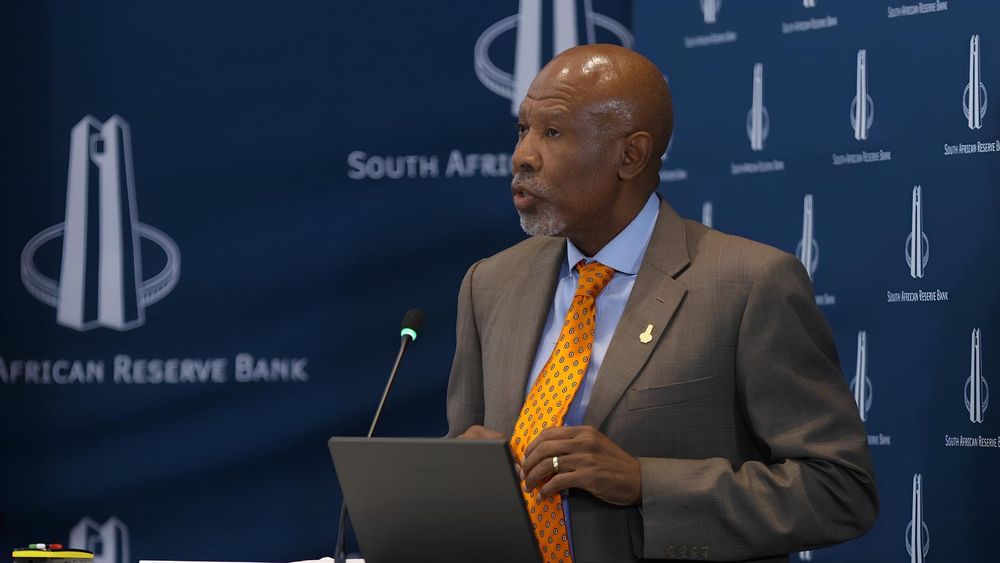
SARB warns of three possible scenarios
The South African Reserve Bank (SARB) has raised the repo rate by 25 basis points to 7%, pushing the prime lending rate to 10.5%. This decisive action by the Monetary Policy Committee (MPC) comes as a proactive measure to combat escalating inflation pressures.
Governor Lesetja Kganyago warned that further interest rate hikes may be necessary if inflation continues to threaten the bank’s targets. The move reflects a strategic effort to mitigate risks stemming from global instability and rising costs.
Driving Forces Behind the Rate Hike
A significant catalyst for this decision was a sharp increase in consumer inflation, which rose to 4% in April from 3.1% in March. This spike was largely driven by a 11.4% surge in fuel prices, which Governor Kganyago described as one of the largest jumps in fuel inflation on record.

The SARB is also monitoring the ongoing conflict in the Middle East and surging food prices. You’ll see concerns that prolonged supply shocks could eventually embed themselves into inflation expectations and wages.
Economic Implications and Business Strain
The shift in policy is seen as a necessary step to dampen demand and pricing power. FNB chief economist Mamello Matikinca-Ngwenya noted that the SARB is acting proactively to prevent enduring inflation risks.
However, this tightening of monetary policy creates significant challenges for the private sector. Oscar Siziba of Nedbank warned that higher rates increase borrowing and debt servicing costs, which may exacerbate already strained cash flows for businesses.
Future Outlook and Risk Scenarios
The bank’s Quarterly Projection Model suggests that one more rate hike this quarter may be required. Future decisions will depend heavily on evolving data, specifically the upcoming release of second-quarter inflation expectations.
Potential Economic Paths
The SARB has outlined three specific risk scenarios that could dictate future policy:
- Middle East Instability: Prolonged strife and a potential closure of the Strait of Hormuz could push inflation to around 5%, potentially requiring two additional hikes.
- Climate Impact: The emergence of the El Niño weather pattern may bring drought and higher food prices, likely resulting in elevated interest rates for an extended period.
- Combined Risks: A scenario combining both geopolitical and weather shocks could see inflation peak above 6%, which may necessitate three more rate hikes.
Analysts, including Patrick Buthelezi of Sanlam Investments, suggest that more hikes may be required across these scenarios due to evident upside risks.
Frequently Asked Questions
What is the current prime lending rate following the SARB’s decision?
The prime lending rate has been elevated to 10.5% following a 25 basis point increase in the repo rate to 7%.
What primary factor contributed to the April inflation spike?
The increase to 4% in April was largely driven by a 11.4% rise in fuel prices.
What are the projected inflation targets for the coming years?
The SARB anticipates headline inflation to average 3.7% next year and 4.4% in 2026, with a final target of 3% by 2028.
How do you think higher borrowing costs will impact local business growth in the coming quarter?