
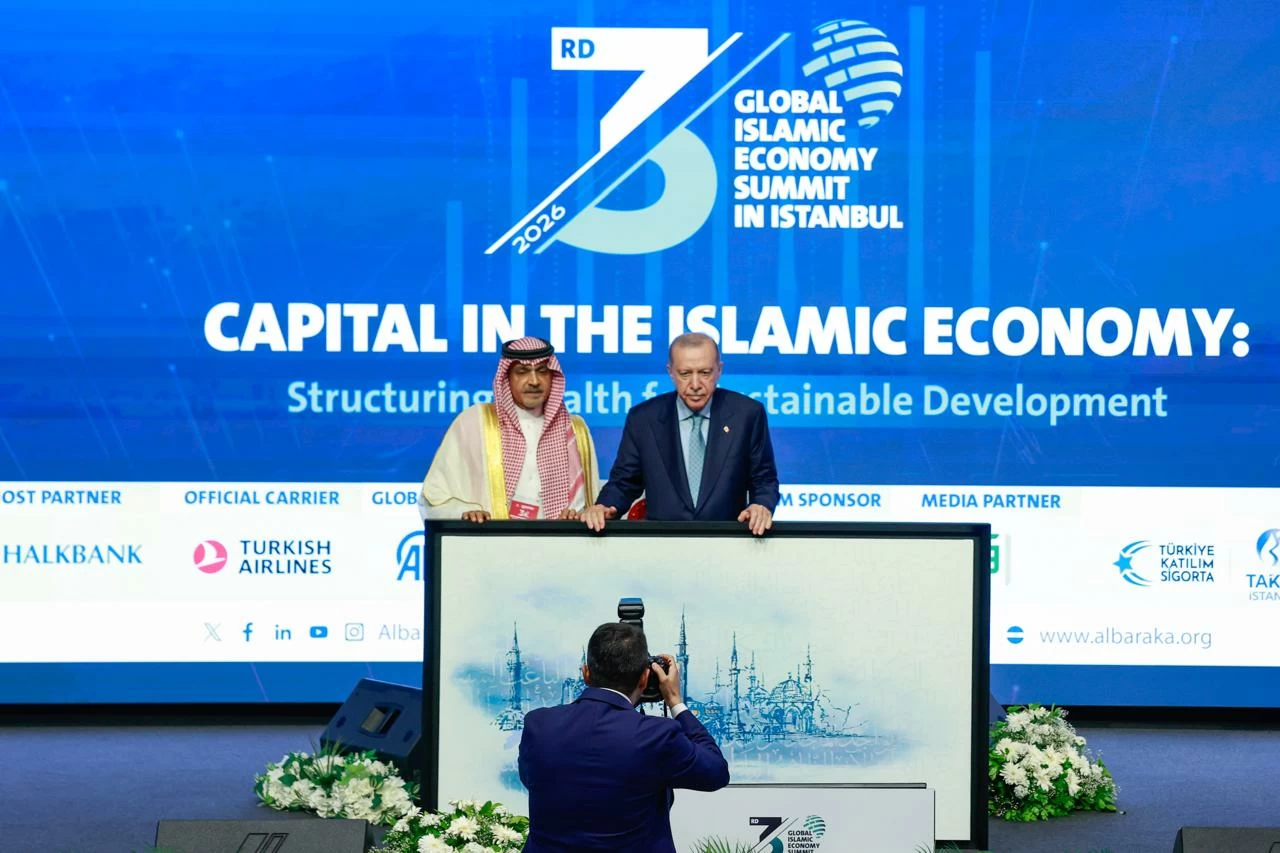
Saudi Arabia’s Endowment Model Leads Path to Sustainable Islamic Economic Development
At the Third Global Islamic Economy Summit in Istanbul, held under the patronage of President Recep Tayyip Erdoğan, global leaders and economic experts convened to address the future of wealth structuring. Abdullah Saleh Kamel, President of the Saudi Chambers Federation and the Islamic Chamber of Commerce and Development, opened the event by advocating for a fundamental shift in how global capital is utilized, positioning the Islamic economic model as a critical alternative to current financial imbalances.
Did You Know? The Al Baraka Forum for Islamic Economy, which organized the summit, characterizes the historical evolution of Islamic civilization as a “civilization of endowments” due to the long-standing, central role the endowment sector has played in societal development.
The Saudi Model for Sustainable Development
Central to the summit’s discourse was the potential for nations to replicate the Saudi Arabian experience in empowering endowments. Kamel identified Saudi Arabia, alongside Turkey and Malaysia, as leading examples of countries that have successfully integrated endowments into their national systems and legislations. He argued that these structures are essential tools for moving beyond short-term profit seeking toward sustainable, comprehensive wealth creation.
Addressing Structural Economic Imbalances
The summit highlighted the growing concern over the concentration of global wealth within a small segment of the population and the unchecked influence of multinational corporations, particularly in the technology sector. Kamel noted that the prevailing global economic model often prioritizes private gain at the expense of environmental, social and humanitarian stability. He pointed to the rising trend of countries considering age restrictions on social media as evidence of the deeper systemic failures inherent in the current model.
Three Pillars of Islamic Capital
Kamel outlined a vision for capital based on three core principles: ensuring capital remains productive and wealth-generating, preventing the transformation of currency into a commodity for mere speculation, and mandating the distribution of wealth through zakat and endowments. By treating these tools as “pure social charitable capital,” the framework aims to curb the hoarding of resources and redirect them toward public development.
Expert Insight: The Shift Toward Human-Centric Finance
Expert Insight: The critique leveled at current corporate social responsibility practices suggests a growing demand for accountability that goes beyond superficial donations. By highlighting the burden of sovereign debt and the limitations of traditional financial models, the discussions at the summit imply that the global economic landscape may be approaching a pivot point. Future policy shifts could see an increased emphasis on integrating ethical financial instruments to mitigate the social risks currently ignored by purely profit-driven systems.
Future Implications
As the summit concludes, the discourse suggests that governments may increasingly look toward the Islamic economic framework to address the pressure of sovereign debt and the social costs of modern digital economies. International regulatory bodies will face mounting pressure to re-evaluate the role of capital in service to broader human needs, rather than focusing solely on financial sustainability. Moving forward, the success of these models may depend on whether nations can effectively institutionalize these principles to balance fiscal responsibility with social equity.
Frequently Asked Questions
What are the three pillars of capital in the Islamic economy?
The three pillars are that capital must be productive and wealth-generating; that money should not be treated as a commodity for trading; and that capital should not be hoarded or monopolized, but rather directed to development through zakat, charity, and endowments.
Which countries were highlighted as models for endowment empowerment?
Saudi Arabia, Turkey, and Malaysia were cited as leading examples of countries that have successfully empowered endowments through their systems and legislations.
What concerns were raised regarding the current global economic model?
Concerns include the extreme concentration of wealth, the unchecked power of multinational corporations, the negative social and environmental impacts of profit-driven activities, and the growing burden of sovereign debt on national economies.
How do you believe the integration of social, charitable capital could impact the current global financial crisis?