
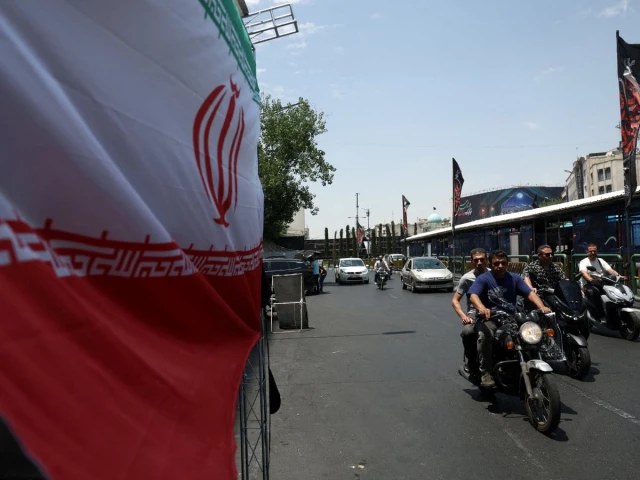
Scheduled US-Iran talks called off as Israel strikes southern Lebanon, killing at least 15
The United States and Iran signed the “Islamabad Memorandum of Understanding” on Wednesday, June 18, 2026, to end a regional war that began in February. The deal establishes a 60-day window for negotiations on Iran’s nuclear program and sanctions relief, mandates the lifting of a US naval blockade, and reopens the Strait of Hormuz, according to Prime Minister Shehbaz Sharif.
What are the terms of the US-Iran Islamabad MoU?
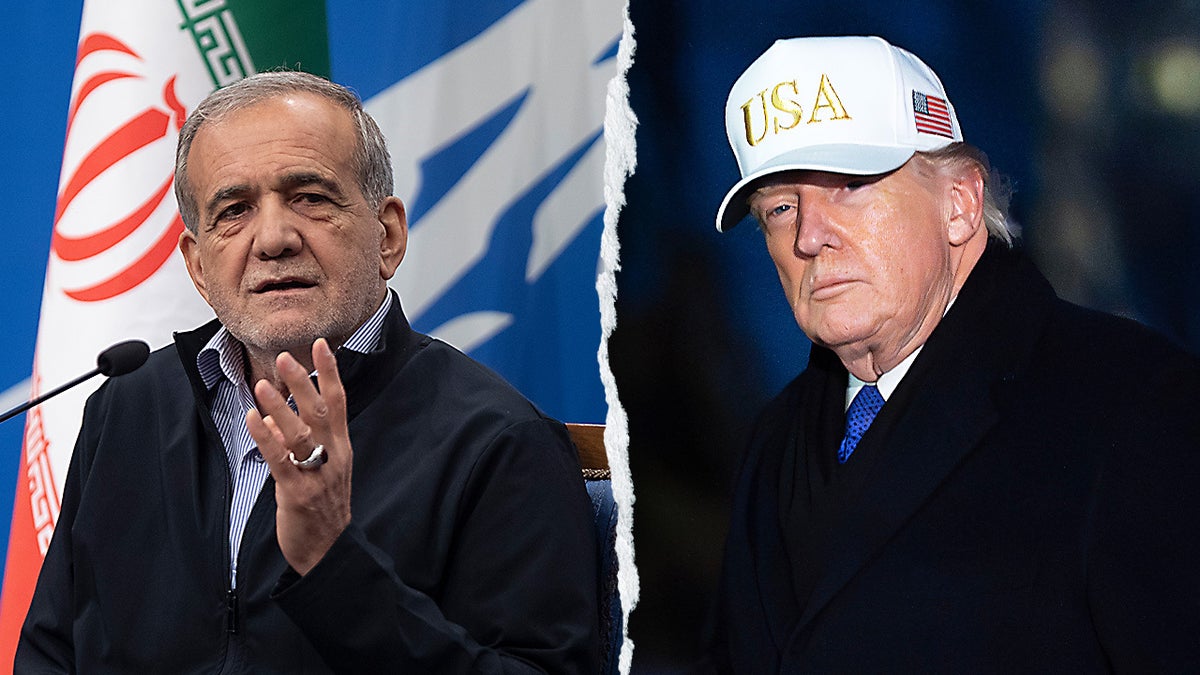
The agreement, signed electronically by US President Donald Trump and Iranian President Masoud Pezeshkian, focuses on immediate de-escalation and long-term diplomacy. According to Prime Minister Shehbaz Sharif, who mediated the deal, the US will lift its naval blockade on Iranian ports.
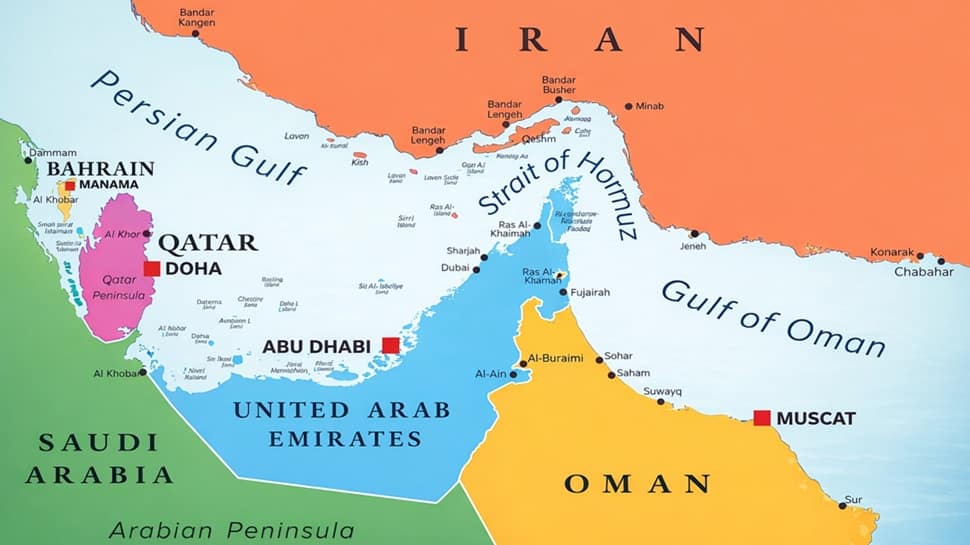
In exchange, Iran will reopen the Strait of Hormuz. The Persian Gulf Strait Authority (PGSA) announced Friday that it will waive all transit fees for 60 days during the negotiation period, provided vessels submit requests 48 hours in advance.
The memorandum also includes a $300 billion reconstruction fund for Iran and other financial incentives. Regarding nuclear ambitions, Iran committed to not developing nuclear weapons and agreed to the “down blending” of its highly enriched uranium stockpile under International Atomic Energy Agency (IAEA) inspections, according to the agreement terms.
Why were the Switzerland peace talks cancelled?
A scheduled meeting in Bürgenstock, Switzerland, was cancelled on Friday, according to the Swiss Foreign Ministry. The White House confirmed that US Vice President JD Vance pulled out of the trip, citing “logistical details” that remained unresolved.

The cancellation coincided with an escalation of violence in Lebanon. Lebanon’s National News Agency (NNA) reported that Israeli airstrikes killed at least 18 people in southern Lebanon on Friday. The Israeli military stated these strikes targeted Hezbollah operatives and infrastructure in response to “ceasefire violations.”
Hezbollah lawmaker Hassan Fadlallah told Reuters that Iran informed the group that talks with the US cannot proceed without the implementation of a comprehensive ceasefire.
How do Trump and Iranian leaders disagree on the war’s outcome?
President Trump and Iranian military officials offer conflicting accounts of Iran’s current strength. On his Truth Social platform, Trump claimed Iran is “FINISHED” and no longer possesses an effective Air Force, Navy, or radar infrastructure.
Conversely, the Islamic Revolutionary Guard Corps (IRGC) told Supreme Leader Ayatollah Seyed Mojtaba Khamenei that the US was “compelled to retreat” and seek negotiations due to recent military confrontations. The IRGC stated it remains ready to respond to any violation of Iranian rights on land, sea, and air.
| Source | Assessment of Iran’s Military | Stated Position |
|---|---|---|
| Donald Trump | Substantially diminished; no Air Force or Navy. | Iran negotiated from weakness. |
| IRGC / Army | Combat readiness is increasing; “on trigger.” | US retreated due to military pressure. |
Will Israel adhere to the regional ceasefire?
Israeli leadership has signaled resistance to the MoU’s terms regarding Lebanon. Prime Minister Benjamin Netanyahu stated on X that the Israeli army will stay in southern Lebanon “as long as necessary” to protect northern communities.
Israeli Defense Minister Israel Katz told Channel 14 that “no one can tell us what to do” and asserted that Israel would respond with force to any Iranian attack. National Security Minister Itamar Ben Gvir took a harder line, writing on X that “all of Lebanon must burn” following the deaths of four Israeli soldiers.
This stance contrasts with the MoU, which calls for the “permanent termination” of the war in Lebanon and the respect of the country’s territorial integrity. French Foreign Minister Jean-Noel Barrot urged Israel to “respect” the deal on FranceInfo radio, warning that failure to do so risks prolonged regional instability.
What is the humanitarian situation in Lebanon?
The conflict has caused massive displacement and death. According to official figures cited by the NNA, the Israeli offensive in Lebanon since March 2 has killed 3,912 people and displaced over one million residents.
Recent strikes in the Nabatieh district have triggered a new wave of displacement toward Sidon and Beirut. China’s UN envoy, Fu Cong, called on Israel to stop violating the Gaza ceasefire during an emergency UN Security Council session, according to Xinhua.
Frequently Asked Questions
What is the “Islamabad MoU”?
It is a preliminary agreement signed in June 2026 between the US and Iran to end a regional war, reopen the Strait of Hormuz, and begin 60 days of talks on nuclear issues and sanctions.
Why is the Strait of Hormuz important?
It is a strategically vital waterway for global energy shipments. The current deal ensures its reopening without fees for 60 days to stabilize energy markets.
Is the US lifting all sanctions on Iran?
No. President Trump stated on Truth Social that Washington would not ease economic pressure and that Iran would receive “no money, not ten cents” during the initial 60-day period.
Want to stay updated on the Middle East crisis? Subscribe to our daily briefing or leave a comment below to share your thoughts on the US-Iran negotiations.