

Scientific Solutions to Improve Public Health and Nutrition in Vietnam
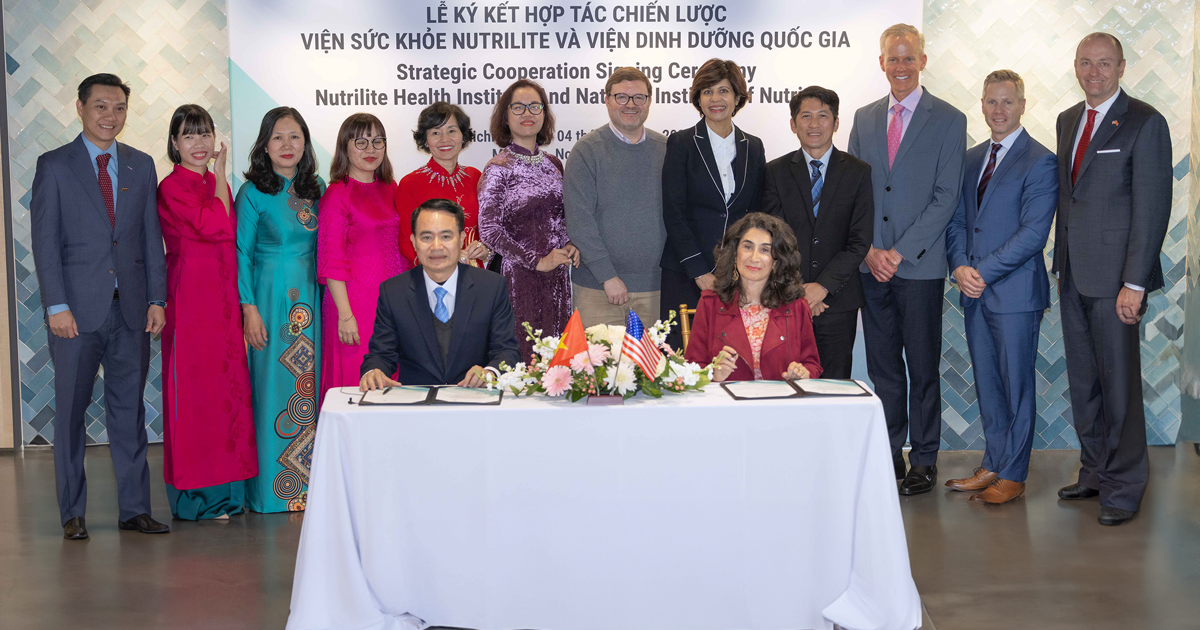
A strategic partnership between the National Institute of Nutrition, Nutrilite Health Institute, and Amway Vietnam is targeting Vietnam’s “double burden” of malnutrition and rising obesity. According to Associate Professor Tran Thanh Duong, Director of the National Institute of Nutrition, the country faces simultaneous challenges of micronutrient deficiencies and an increase in overweight and obesity-related non-communicable diseases.
What is Vietnam’s nutritional double burden?
Vietnam is struggling with a dual health crisis where undernutrition and overnutrition coexist within the population. Associate Professor Tran Thanh Duong stated that while micronutrient deficiencies remain prevalent in some groups, there is a concurrent rise in obesity and non-communicable diseases.
Research presented at the workshop shows an overweight and obesity rate of 43.6% among the studied group, based on the WHO/WPRO BMI threshold of 23kg/m² for Asians. This rate is reported to be higher in men.
How do current eating habits affect adult health?
Poor dietary habits, particularly regarding breakfast and produce intake, are contributing to these health gaps. Dr. Hoang Thu Nga of the National Institute of Nutrition reported that approximately 26.7% of participants do not eat breakfast regularly.

For those who do eat breakfast, the calories consumed average only 18.2% of the daily recommended intake. Dr. Nga also noted that about 20% of surveyed adults consume sugar, cakes, or sweets for their morning meal.
Furthermore, more than 60% of the studied population fails to meet the World Health Organization’s recommended intake for fruits and green vegetables.
What scientific solutions are being proposed?
Experts are calling for a shift toward evidence-based dietary updates and balanced nutrition. Associate Professor Bu Thi Thu Hien, head of the Department of Biochemistry and Nutrition Metabolism, emphasized the need to update nutritional recommendations to reflect Vietnam’s current reality.

Dr. Holiday Durham Janetti of the Nutrilite Health Institute recommended prioritizing energy intake at the start of the day and gradually reducing it toward the end. She advised choosing breakfasts rich in low-fat proteins and maintaining a healthy gut microbiota, following WHO and Codex Alimentarius guidelines.
On Minh Hang, Vice President of Amway Vietnam, stated that the collaboration aims to turn scientific data into practical nutrition solutions. This effort is part of the company’s “Live Healthy, Live Happy” strategy.
What may happen next?
The partnership between the public and private sectors could lead to more accessible nutritional tools for the general public. New scientific evidence may likely result in updated national dietary guidelines.
Increased awareness regarding breakfast quality and vegetable intake is a possible next step to reduce the 43.6% obesity rate. Experts expect that combining physical activity with balanced diets could improve the overall quality of human resources in Vietnam.
Frequently Asked Questions
What is the “double burden” mentioned by the National Institute of Nutrition?
It is the simultaneous occurrence of malnutrition and micronutrient deficiencies alongside increasing rates of overweight, obesity, and nutrition-related non-communicable diseases.
What percentage of the studied Vietnamese adults are overweight or obese?
According to the research presented, 43.6% of the group met the WHO/WPRO criteria for overweight or obesity (BMI 23kg/m² or higher).
What are the recommendations for a healthy breakfast?
Dr. Holiday Durham Janetti recommends a balanced breakfast rich in low-fat proteins, prioritizing energy intake early in the day to promote health and longevity.
How do your own morning eating habits compare to the nutritional recommendations mentioned here?