
Scientists Found a Surprising Nutritional Difference
A 2023 Purdue University study found that two ounce-equivalent servings of animal-based proteins, such as lean pork and eggs, provide higher bioavailability of essential amino acids (EAA) than equal servings of plant-based proteins like black beans and almonds. These findings suggest protein quality may be as critical as portion size for supporting muscle health and healthy aging.
When people track their protein, they often look at serving sizes. But the same amount on a label doesn’t always translate to the same nutritional payoff in the bloodstream. This gap is particularly important because the body can’t produce essential amino acids on its own; they must come from food to support whole-body protein building.
Why does protein quality matter more than serving size?
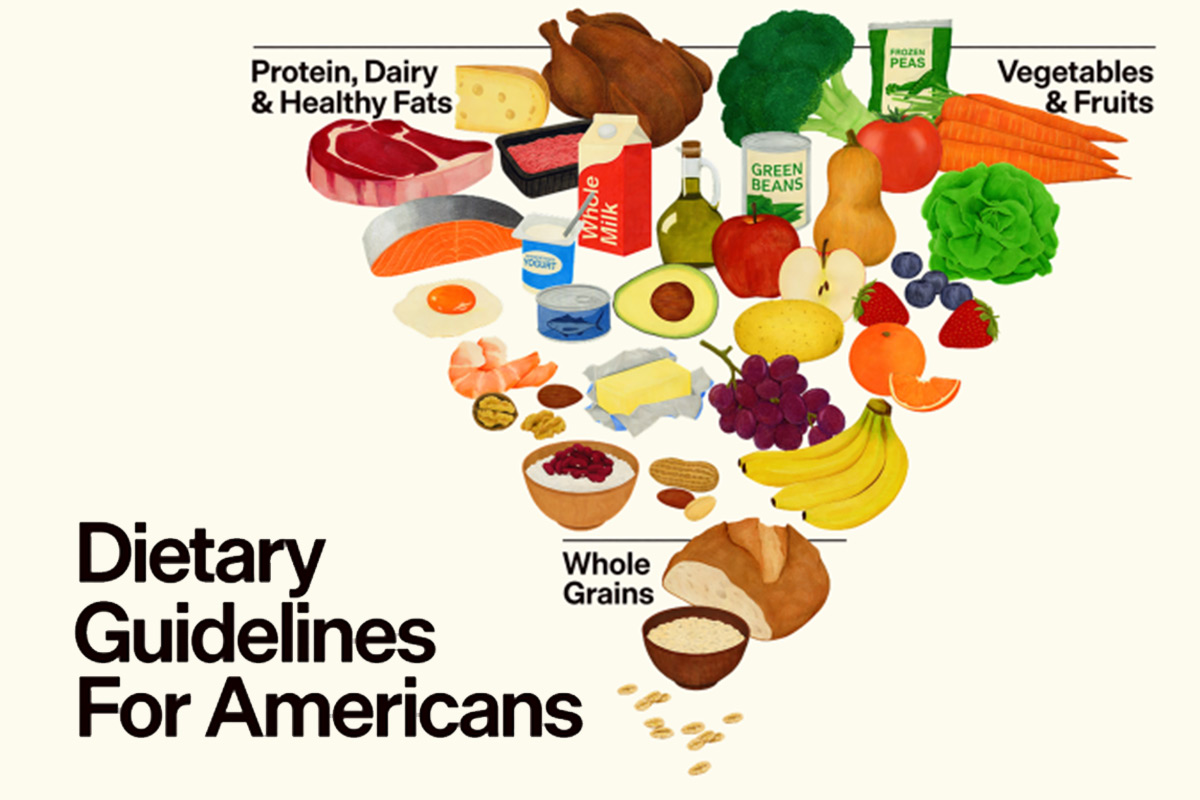
Protein quality is defined by the EAA content of a meal, which determines how effectively the body uses those amino acids for muscle maintenance. The Dietary Guidelines for Americans (DGAs) currently uses an “ounce-equivalent” (oz-eq) system to compare different protein sources.
Under this system, one oz-eq equals one ounce of meat, one whole egg, 0.25 cups of beans, or 0.5 ounces of nuts. However, Dr. Wayne Campbell, a professor in the Department of Nutrition Science at Purdue University and the study’s primary investigator, suggests the basis for calling these foods “equivalent” is unclear.
Campbell notes that protein foods vary widely in calories, fat, carbohydrates, and total protein. Consequently, two foods can be equal on a dietary chart while delivering very different amounts of usable amino acids to the body.
How did the Purdue study compare different protein sources?
Researchers conducted two crossover randomized controlled trials involving 30 healthy young adults and 25 healthy older adults. Each participant took part in four separate 300-minute testing sessions, with at least three days between each visit.
In each session, participants ate a standardized meal containing two oz-eq of one of four proteins: unprocessed lean pork loin, scrambled whole eggs, black beans, or raw sliced almonds. The investigators remained blinded to the order of the foods until the analysis was complete.
Blood samples were collected before the meal and then again at 30, 60, 120, 180, 240, and 300 minutes. This allowed the team to measure blood sugar, insulin levels, and the bioavailability of essential amino acids.
What are the specific differences between animal and plant proteins?
The results confirmed that meals with animal-based proteins resulted in more EAAs in the bloodstream for both young and older adults. Dr. Gavin Connolly, a research associate at Purdue University, explained that lean pork loin and scrambled eggs more effectively supplied the amino acids linked to building body protein.

Within the animal protein group, lean pork led to greater EAA bioavailability than eggs across all study populations. Among the plant-based options, there was no significant difference in EAA bioavailability between black beans and almonds.
Notably, the researchers found no difference in EAA bioavailability between the young and older adult groups, suggesting these protein responses are consistent across different life stages.
How does recent research refine the protein debate?
A 2025 systematic review of randomized controlled trials adds further nuance to these findings. That review found that animal protein generally had a small beneficial effect on muscle mass compared to plant protein, particularly in younger adults and when compared to non-soy plant sources.
However, the 2025 review found no clear difference between soy protein and animal protein regarding muscle mass. Additionally, there was no overall difference between plant and animal sources when measuring muscle strength or physical performance.
Other current research is exploring blends of animal and plant proteins. These studies aim to improve digestibility and muscle protein synthesis in older adults while balancing food preferences and sustainability.
What are the limitations of these findings?
The Purdue study had specific constraints. Dr. Connolly pointed out that the portion sizes used in the study might not reflect what people actually eat on a weekly or meal-to-meal basis.
Furthermore, the study did not directly measure changes in whole-body protein balance or muscle protein synthesis. While the results show a clear difference in how many amino acids reach the bloodstream, they don’t prove that one eating pattern directly causes better long-term health outcomes or muscle growth.
The research was funded by the American Egg Board—Egg Nutrition Center and the Pork Checkoff.
What happens next for nutritional guidelines?
The study authors suggest these results could help shape future public health nutrition guidance. Future versions of the Dietary Guidelines for Americans may consider whether different protein sources should continue to be treated as equivalent on an oz-eq basis.
It is possible that future advice will more explicitly recognize the role of nutrient-dense animal proteins for those with higher protein needs, such as older adults. At the same time, guidelines are likely to maintain recommendations for plant-based foods due to their unique health benefits.
Frequently Asked Questions
Did the study find that plant proteins are “bad” for muscle health?
No. The research suggests that animal proteins are more effective at delivering essential amino acids, but it also notes that plant-based foods offer important benefits like fiber, vitamins, and minerals.
Do older adults respond differently to these proteins than younger adults?
According to the Purdue study, there were no differences in EAA bioavailability between young and older adults across the protein foods tested.
Is all plant protein less effective than animal protein?
Not necessarily. While the 2023 study showed lower bioavailability for beans and almonds, a 2025 systematic review found no clear difference between soy protein and animal protein for muscle mass.
Do you prioritize the source of your protein or the total amount you consume daily?