

Scientists identify 64,000 sq miles of coral reef capable of surviving climate crisis
Scientists have identified nearly 166,000 square kilometers of coral reefs capable of surviving and recovering from climate change, according to research released Tuesday. This figure is three times higher than previous estimates. The findings, based on an analysis of 45,000 coral surveys, offer a new roadmap for global conservation efforts as reefs face mounting pressure from pollution, tropical storms, and rising ocean temperatures.
Where Climate-Resilient Reefs Are Located
The analysis identified resilient coral ecosystems across 71 countries and 100 territories. These areas include parts of the Pacific, Atlantic, and Caribbean oceans that were not previously recognized for their recovery potential. According to Emily Darling, director of coral conservation at the Wildlife Conservation Society (WCS) and a co-author of the report, this data challenges the perception that coral reefs are ecosystems beyond saving.
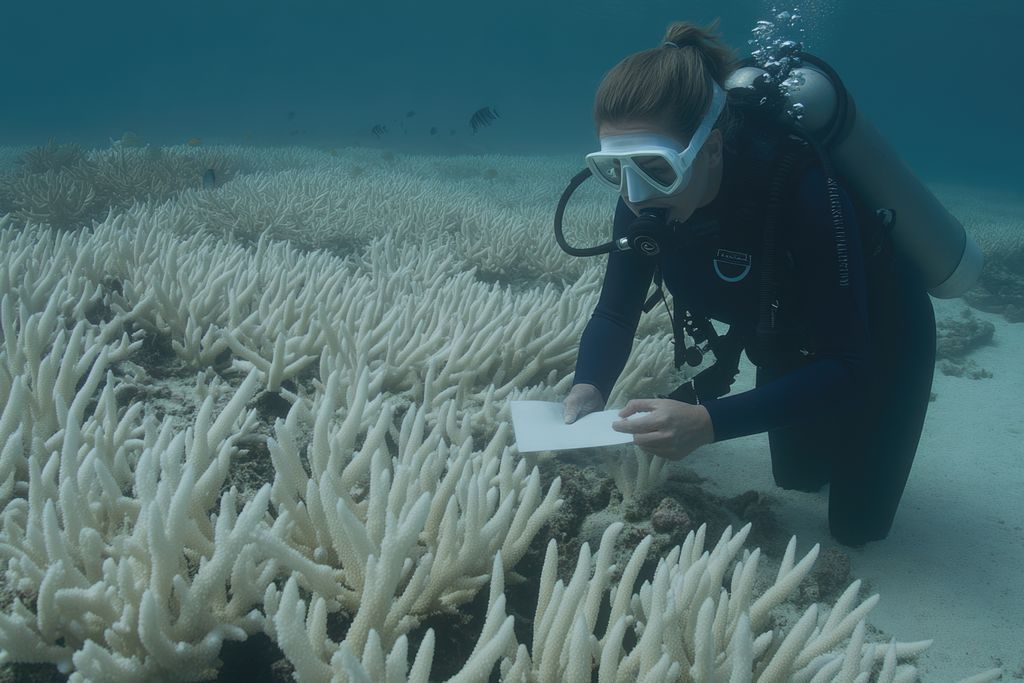
Currently, only 28% of the world’s coral reefs fall within formal protected and conserved areas.
Strategic Conservation and the “30 by 30” Target
Governments are currently working toward the “30 by 30” target, which aims to place 30% of global land and marine environments under formal protection by 2030. The new research provides a data-driven basis for policymakers to prioritize these specific reef locations in their planning. By identifying areas with higher resilience, governments may be able to deploy limited conservation funds more effectively.
Stacy Jupiter, executive director of the WCS Global Marine Program, suggests that conservation strategy may soon shift toward triage. In areas where reefs fall below specific benchmarks for ecosystem function, authorities might be forced to prioritize other, more resilient locations to ensure the highest probability of survival for marine life.
What Happens Next for Global Reef Protection
The urgency for action is intensified by the prospect of an upcoming super El Niño event, which could further threaten fragile marine environments. Future policy decisions may hinge on whether political will can align with this new scientific data. If governments integrate these findings into their action plans, they could protect a significantly larger portion of the world’s most resilient reefs than previously thought possible.

Frequently Asked Questions
What is the primary finding of the new research?
Scientists have identified nearly 166,000 square kilometers of coral reefs that are capable of surviving and recovering from climate change, a total three times higher than previous estimates.
How was this study conducted?
The research was based on an analysis of 45,000 coral surveys combined with decades of ocean and climate data.
Why is this information important for governments?
The data helps governments identify where to deploy limited funds to protect resilient reefs, particularly as they work toward the “30 by 30” goal of protecting 30% of marine environments by the end of the decade.
Could targeted conservation efforts be enough to offset the damage caused by mass bleaching events and pollution?