
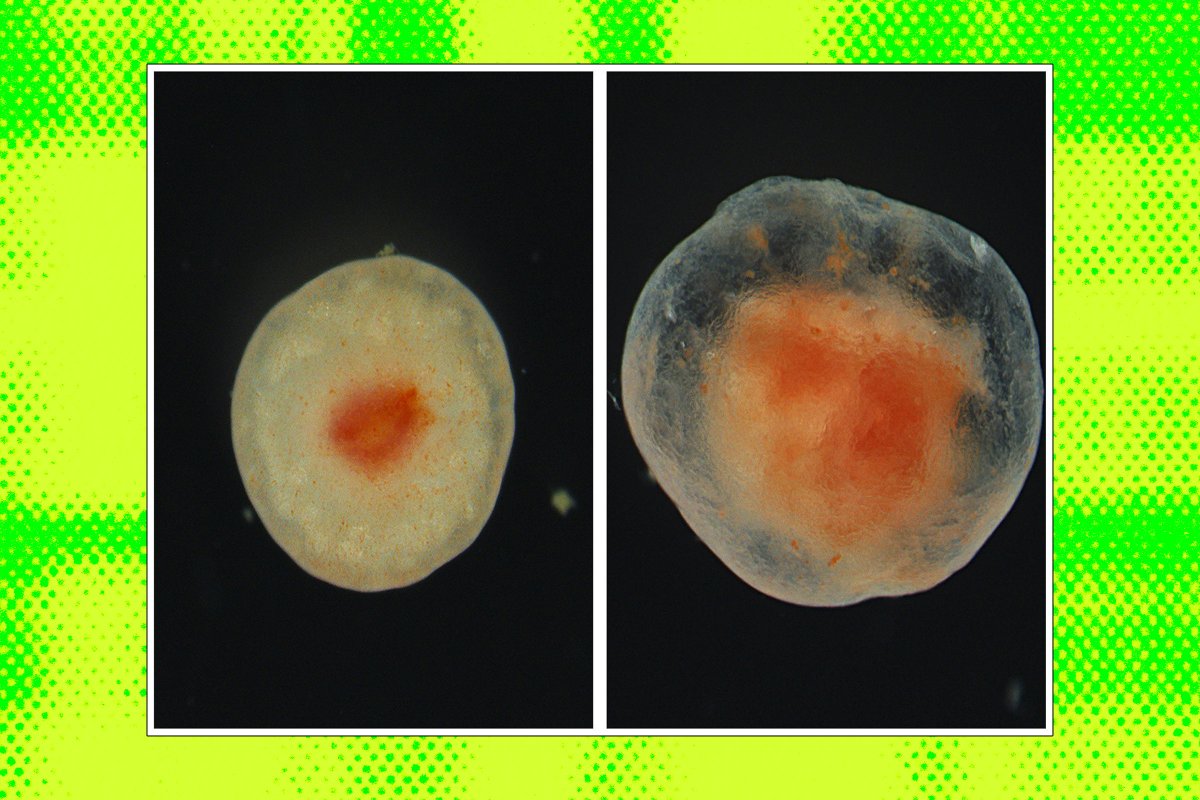
Scientists Intrigued by Chunk of Flesh That Refuses to Die After Several Years
For decades, the concept of biological immortality was relegated to the realms of science fiction and the fringes of mythology. However, a recent discovery involving the Psolus fabricii—a species of sea cucumber—has turned a theoretical curiosity into a tangible biological reality. When a chunk of this creature’s tissue survived for three years in raw seawater, growing and repairing itself without a central body, it didn’t just surprise marine biologists; it sent a shockwave through the world of regenerative medicine.
This isn’t just a quirk of nature. It is a blueprint. By understanding how a simple invertebrate can maintain cellular viability and reorganization in a bacteria-rich environment, we are standing on the precipice of a revolution in how we treat trauma, degenerative diseases, and the very process of aging.
The Shift Toward ‘Biological Resilience’
Traditional medicine has largely focused on maintenance and replacement. If an organ fails, we transplant it; if a limb is lost, we provide a prosthetic. But the Psolus fabricii discovery suggests a shift toward biological resilience—the ability of tissue to not only survive but to actively reorganize and diversify cells independently.
The most striking aspect of this find is that the tissue survived in “natural” seawater. Most lab-grown tissues require sterile, highly controlled environments (axenic cultures) to prevent contamination. The fact that sea cucumber tissue can fend off opportunistic pathogens while simultaneously repairing itself suggests an immune mechanism that is far more robust than our own.
Future Trend: The Era of ‘In Situ’ Organ Regeneration
The ultimate goal for biomedical researchers is no longer just growing an organ in a petri dish, but triggering the body to regrow its own damaged parts in situ (on-site). The “immortal” tissue of the sea cucumber provides a new model for cellular plasticity—the ability of a cell to change its identity to become whatever the body needs at that moment.
We are likely moving toward a future where “bio-scaffolds” are infused with signaling molecules derived from these resilient invertebrates. Imagine a patient with a severe burn or a lost digit receiving a treatment that doesn’t just heal the wound with a scar, but instructs the remaining tissue to reorganize and rebuild the original structure from scratch.
From Stem Cells to Cellular Reprogramming
While stem cell therapy has been the buzzword for years, the sea cucumber research points toward epigenetic reprogramming. Instead of injecting external cells, the trend is shifting toward “waking up” the dormant regenerative genes already present in human DNA. If we can mimic the triggers that allow Psolus fabricii to diversify its cells after years of isolation, we could potentially treat neurodegenerative diseases like Alzheimer’s by regenerating damaged neurons.
Combatting Cellular Senescence and Aging
At its core, aging is the accumulation of cellular damage and the loss of the ability to repair it—a process known as senescence. The discovery of “naturally occurring tissue immortality” challenges the assumption that cellular decay is an inevitable one-way street.
Industry experts are now exploring how these tissues maintain their telomeres (the protective caps on the ends of chromosomes) and avoid the “Hayflick limit,” which normally restricts how many times a human cell can divide. If these mechanisms can be synthesized or mimicked, we aren’t just looking at longer lives, but a “healthspan” that extends deep into old age without the typical decline of organ function.
The Ethical Crossroads of Immortal Tissue
As we unlock the secrets of regeneration, we inevitably hit a wall of ethics. The sea cucumber tissue grew and repaired itself, but it didn’t become a new organism. However, as we apply these findings to human biology, the line between “healing” and “enhancing” becomes blurred.
Will we reach a point where biological “upgrades” are possible? If we can regrow a liver or a lung, do we then move toward replacing aging organs preventatively? The conversation is shifting from can we to should we, necessitating a new framework for bioethics in the age of regenerative immortality.
Frequently Asked Questions
Can humans regrow limbs like sea cucumbers?
Currently, no. Humans have limited regenerative capabilities (such as the liver). However, research into cellular plasticity aims to unlock similar pathways in human tissue.
What is biological immortality?
It is not the absence of death (an organism can still be killed), but rather the absence of senescence—the biological process of aging where cells stop dividing and function declines.
How does this differ from stem cell research?
While stem cells are “blank slate” cells, the sea cucumber research focuses on how existing, specialized tissue can reorganize and diversify itself without needing a primary stem cell source.
Join the Conversation on the Future of Humanity
Are we ready for a world where biological decay is optional? Do you think regenerative medicine should be used for life extension or only for treating trauma?
Leave a comment below or subscribe to our newsletter for the latest updates on the bleeding edge of science and tech!