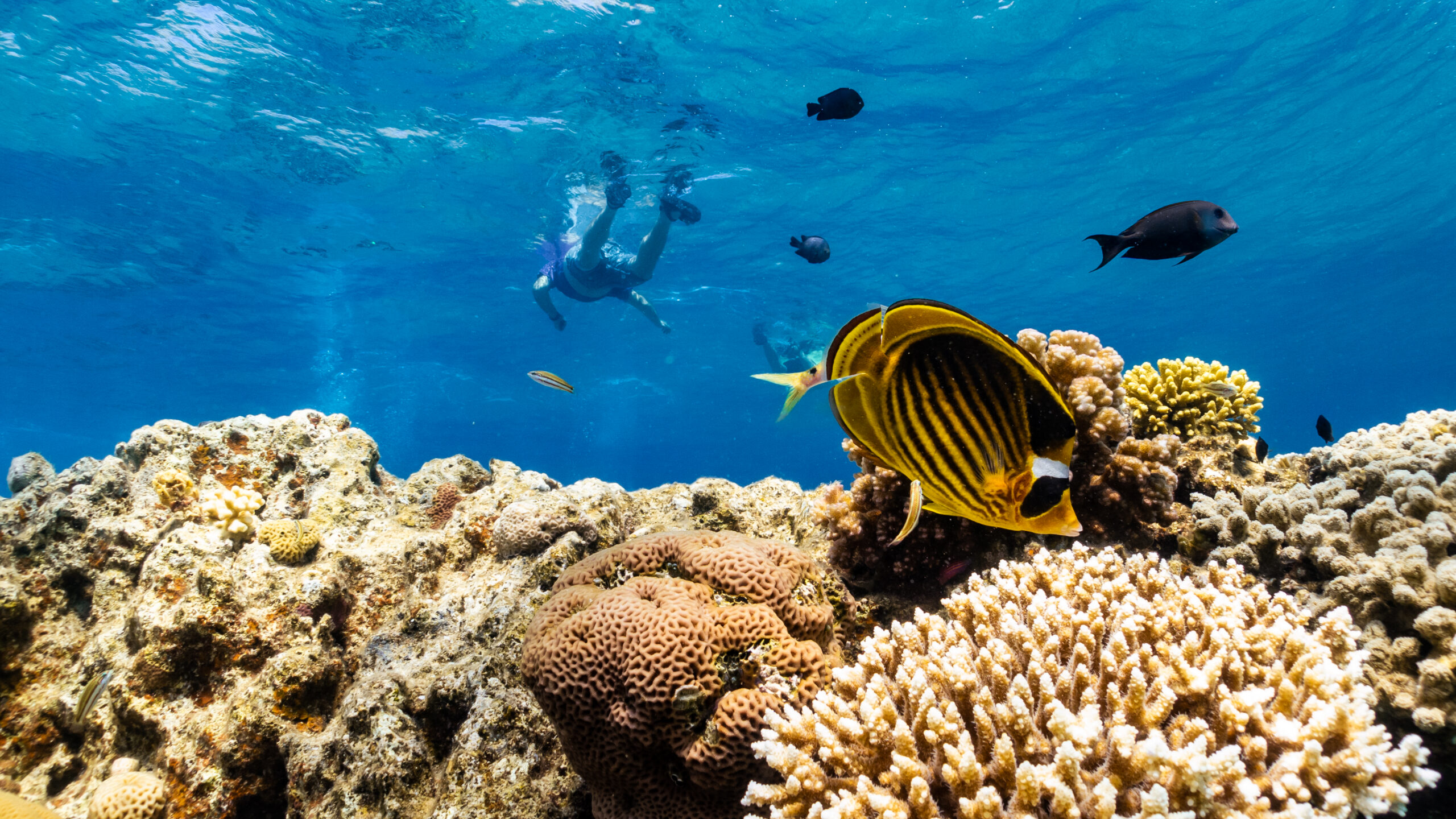
Scientists Propose Super Reef Corridors to Protect Heat-Resilient Corals
Marine scientists are proposing a network of “Super Reef” corridors across the Pacific to combat climate-driven coral bleaching. By connecting heat-tolerant reefs that share resilient larvae, researchers aim to create a natural recovery system for degraded ecosystems. This strategy, which requires multinational political cooperation and community involvement, could serve as a global model for conservation as ocean temperatures rise, according to experts from the Wildlife Conservation Society and the Marshall Islands Marine Resources Authority.
Why are scientists focusing on “Super Reef” corridors?
Coral larvae can drift hundreds of miles from their parent reefs, making the connectivity between healthy and degraded areas vital for long-term survival. Emily Darling, director of coral reefs at the Wildlife Conservation Society, states that protecting “stepping stone” reefs allows heat-tolerant genetic traits to spread across wider regions. By accounting for this natural dispersal, conservationists can maximize the effectiveness of protected areas, ensuring that resilient reefs provide the necessary biological infrastructure for others to recover after climate events.
How will these networks function in practice?
The proposed corridor project involves creating a protected network linking reefs in the Marshall Islands, Kiribati, and Tuvalu. According to Edwards of the Marshall Islands Marine Resources Authority, the concept is a promising approach for regional resilience. However, the plan faces significant logistical hurdles. Estimates suggest the project requires roughly $10 million in funding and extensive political support. Furthermore, conservationists must balance strict environmental protections with the economic needs of local communities. As noted in current reef-management projects in Laura, co-designing protected areas with local residents is essential to ensure that fishing and traditional livelihoods remain sustainable.
What are the risks of waiting?
The urgency of this mission is driven by rising ocean temperatures. Forecasters at the National Oceanic and Atmospheric Administration (NOAA) have confirmed that El Niño conditions have returned to the tropical Pacific, with expectations that the phenomenon will strengthen by the fall. This shift significantly increases the probability of severe heat waves in the Marshall Islands. Researchers, including those planning to monitor reefs during these peak temperature periods, aim to use this data to confirm which coral species show the highest resistance to heat stress.
Could this model be applied elsewhere?
If the Pacific corridor succeeds, it could serve as a proof of concept for global marine management. Potential future corridors include networks spanning Indonesia, the Philippines, and Malaysia, or a route connecting India, the Maldives, and the Chagos Islands. The ultimate success of these networks relies on the willingness of individual nations to collaborate on prioritization. According to researchers involved in the planning, the primary role of the scientific community is to provide the data necessary to direct limited resources toward the reefs where they will have the most significant impact.
Frequently Asked Questions
- What is a Super Reef? It is a reef system that has demonstrated high resilience to heat and environmental stress, serving as a biological source for coral recovery in neighboring areas.
- Why is community involvement important? As noted by researchers, local residents rely on reefs for food and income; successful conservation requires co-designing protected areas that do not compromise human livelihood.
- How do reefs recover from bleaching? Recovery depends on the arrival of new coral larvae transported by ocean currents from resilient, heat-tolerant source reefs.
Support Our Reporting
We provide in-depth analysis of climate and environmental trends. Subscribe to our newsletter to stay informed on the latest developments in marine conservation and global climate policy.