
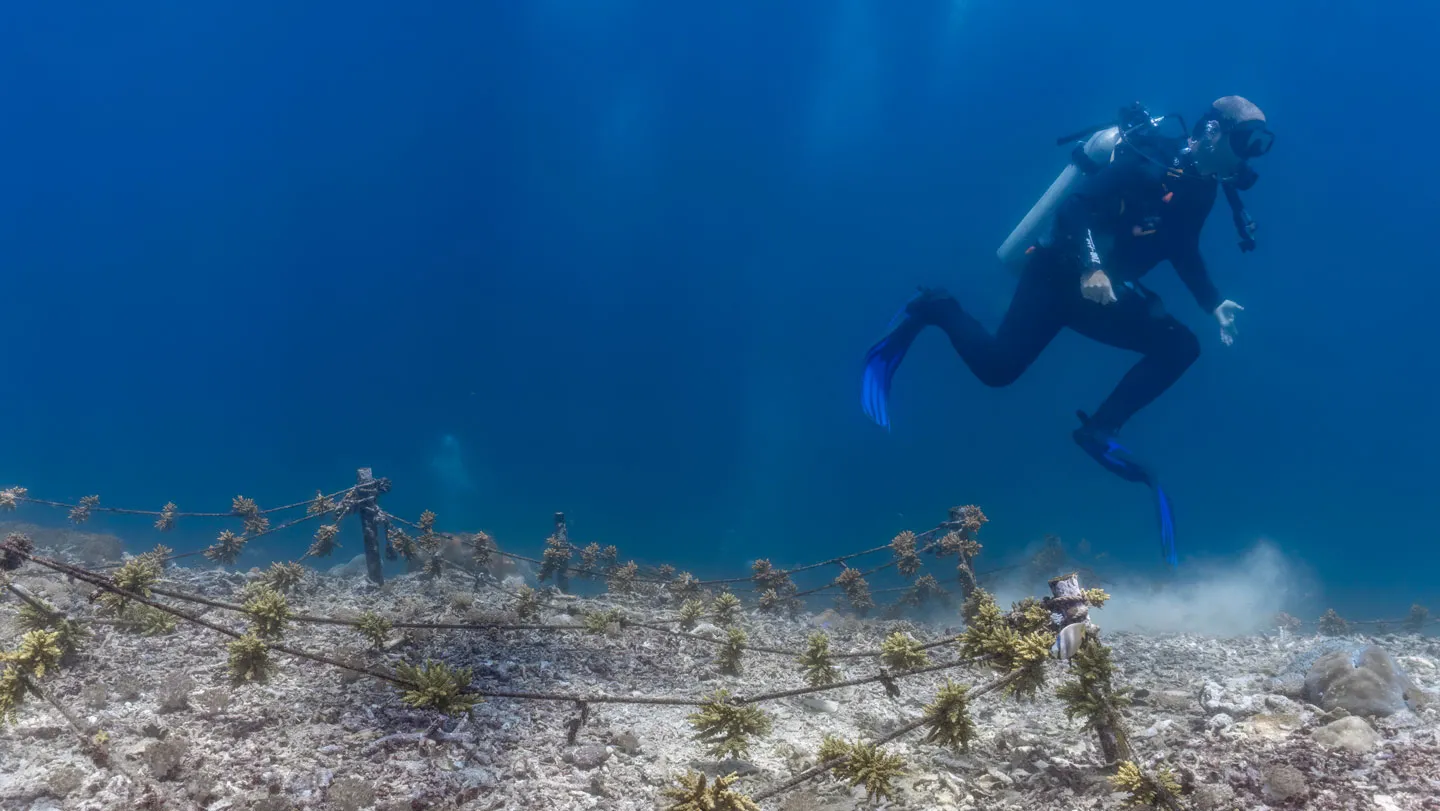
Scuba Divers May Be Damaging Reefs More Than They Think
Scuba diving, often seen as an environmentally friendly way to explore marine ecosystems, may be causing more harm to coral reefs than previously realised. A study published in Conservation Letters on May 26 reveals that over 80% of physical damage to reefs from divers is unintentional or unnoticed. Researchers tracked 732 divers in Indonesia and the Philippines between December 2022 and January 2024, combining video recordings with post-dive surveys to analyse their interactions with coral.
The findings challenge the perception of scuba diving as a low-impact activity. Divers touched reefs at an average rate of once every four minutes, with 60% of these contacts occurring without their awareness. Overconfidence in diving skills and reduced situational awareness were identified as key factors, as 75% of divers rated themselves as above average in avoiding reef damage—despite touching reefs five times more than they estimated. Wildlife encounters further increased the likelihood of accidental contact, more than doubling the rate of damaging interactions.
While the study emphasizes that most damage is not malicious, it underscores the cumulative risks to reef ecosystems. Popular dive sites with high visitor numbers could face “substantial ecological impacts” over time. However, the research also offers hope: 15% of divers never touched the reef, suggesting that training and regulation could reduce harm without eliminating reef tourism.
The next step for scientists is to determine whether these frequent, minor interactions translate to measurable declines in reef health over years. Researchers stress that the goal is not to discourage diving but to improve practices, ensuring tourism supports rather than undermines marine conservation.
Frequently Asked Questions
What percentage of reef damage is unintentional?
Over 80% of damaging physical contact with coral reefs by divers is unintentional or unnoticed, according to the study.

How often do divers touch the reef on average?
Divers touched the reef approximately once every four minutes during their dives, based on video analysis.
What percentage of divers never touched the reef?
About 15% of divers in the study never made contact with the reef, indicating that some divers naturally avoid causing harm.
How might improved training reshape the future of reef tourism?