
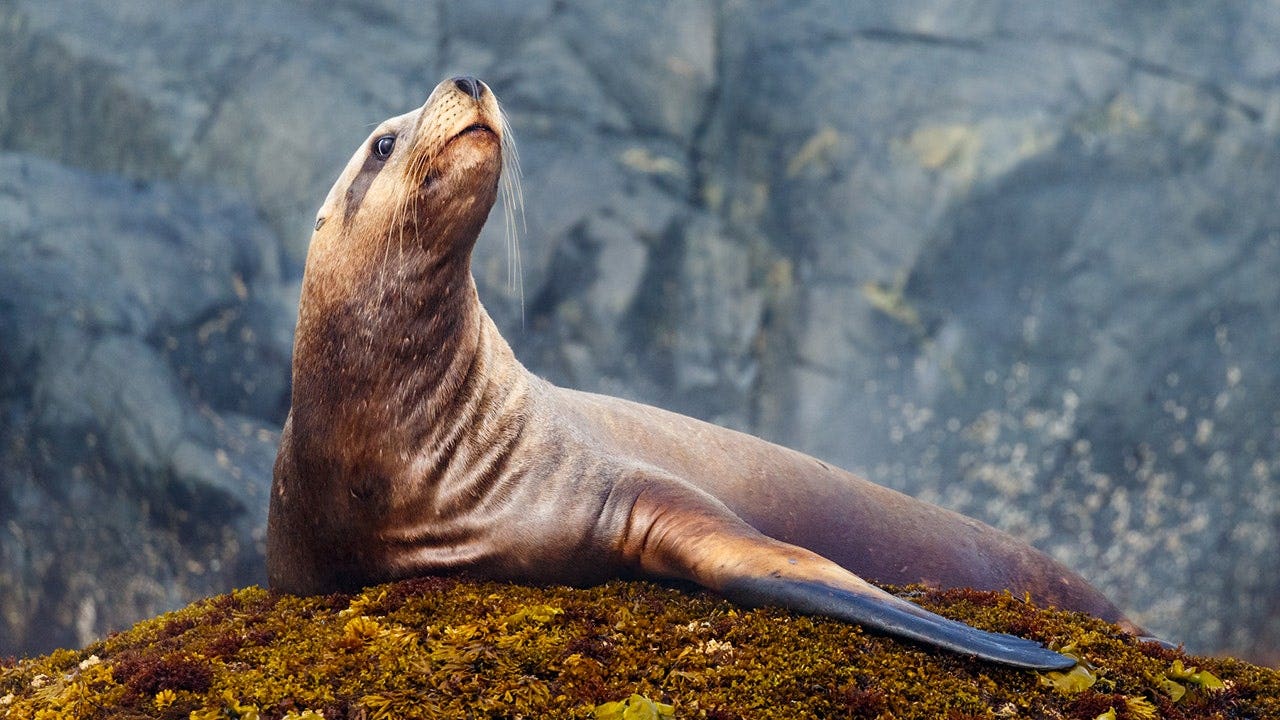
Sea lion pulls off brazen tuna heist as fisherman tries and fails to hold onto his first big catch
A viral video captures a fisherman losing his first-ever yellowfin tuna to a sea lion that aggressively intercepted the catch alongside the boat. The incident highlights the phenomenon of “depredation,” where highly intelligent marine mammals learn to associate fishing activity with easy food sources, often leaving anglers empty-handed despite successful hookups.
What is marine mammal depredation?
Wildlife experts define depredation as the act of marine mammals stealing fish directly from fishing lines, nets, boats, or anglers themselves. Because sea lions are highly intelligent, they rapidly learn to recognize the signs of fishing activity. In certain regions, this behavior has become so predictable that anglers can often anticipate when a sea lion will arrive to claim their catch.
The term “depredation” is specifically used by wildlife experts to describe the behavior of marine mammals that steal fish directly from human fishing efforts, a pattern that has been documented as far as the Pacific Northwest, where it frequently impacts salmon and steelhead trout populations.
The impact on recreational angling
While the video shows a fisherman being forced to surrender his tuna after being overmatched by the animal, the broader consequence is the loss of the catch. The sea lion’s behavior in the video—described as an opportunistic move to secure a meal—is not an isolated event. As these animals become more adept at targeting fishing gear, the frequency of these “heists” may increase, potentially discouraging anglers in areas where sea lion populations are active.
The behavior captured on video suggests a learned response rather than a random encounter. Because sea lions are highly intelligent, their ability to associate fishing vessels with a reliable food source creates an ongoing challenge for anglers. This learned cycle is likely to continue as long as the animals successfully secure rewards, potentially leading to increased conflict in popular fishing spots.
What may happen next
As sea lions continue to associate fishing vessels with free meals, anglers may face increasing difficulty in landing their catches without intervention. It is likely that this behavior will remain a persistent issue in regions where sea lions and humans share the same waters. Observers suggest that the confidence displayed by the animal in the footage implies this is a practiced behavior, suggesting that future encounters between anglers and these opportunistic marine mammals will remain a common occurrence.

Frequently Asked Questions
What is the primary reason sea lions steal fish from anglers?
Sea lions are highly intelligent animals that learn to associate the presence of fishing lines, boats, and nets with the opportunity for an easy meal.
Is this type of behavior common?
Yes, wildlife experts confirm that this behavior is common, with some sea lions becoming so skilled that anglers can practically predict when they will appear to steal a catch.
What happens to the fish during these encounters?
The fish is typically taken by the sea lion, often leaving the angler empty-handed after a struggle, as seen in the recent video where an angler was forced to toss his yellowfin tuna to the animal.
Have you ever encountered wildlife while out on the water, and how did you manage the situation?