

Searching for Earth 2.0: How James Webb Telescope Is Discovering Habitable Exoplanets
The James Webb Space Telescope (JWST), a collaborative project between NASA, the European Space Agency (ESA), and the Canadian Space Agency (CSA), has shifted the search for life beyond Earth by enabling high-resolution atmospheric analysis of exoplanets. By identifying chemical signatures in the habitable zones of distant stars, researchers are now capable of detecting water vapor, carbon dioxide, and methane, providing a empirical foundation for identifying Earth-like worlds.
How Does JWST Detect Potential Signs of Life?
JWST identifies potential life-sustaining environments by utilizing advanced infrared spectroscopy to analyze exoplanet atmospheres. According to NASA, when a planet passes in front of its host star, light filters through the planet’s atmosphere. The telescope captures this light, breaking it down into a spectrum that reveals the chemical composition of the air. The detection of specific molecules, such as oxygen or methane, serves as a primary indicator for astronomers searching for biological activity. Unlike the Hubble Space Telescope, which primarily viewed the universe in visible light, JWST’s infrared sensitivity allows it to peer through the dense dust clouds that often obscure newly forming planetary systems.
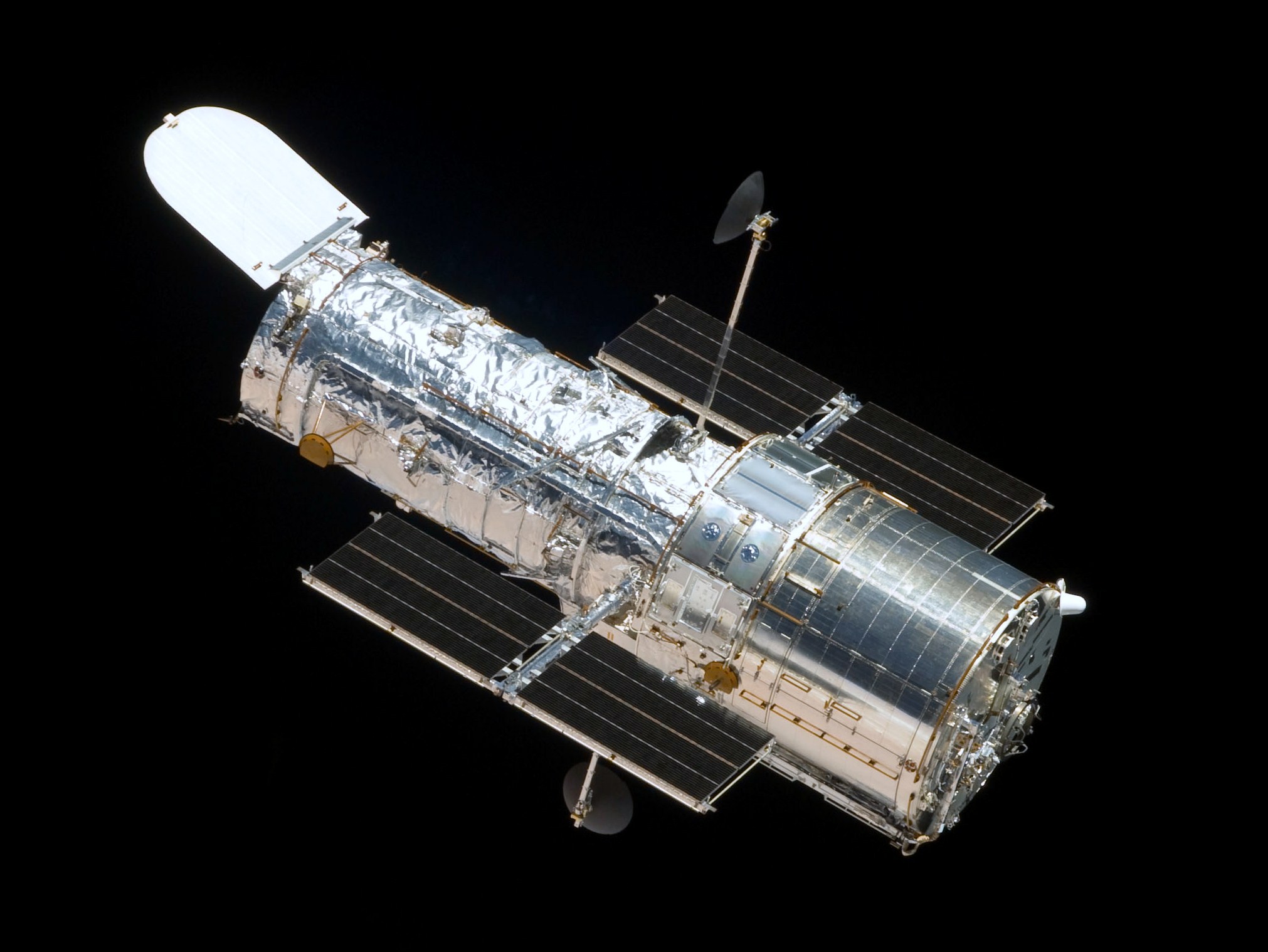
JWST is stationed at the second Lagrange point (L2), approximately 1.5 million kilometers from Earth, allowing it to maintain a stable, freezing temperature necessary for sensitive infrared observations.
What Are the Next Steps in Exoplanet Research?
Future research will focus on narrowing the target list of planets that sit within the “habitable zone”—the region where temperatures allow liquid water to persist. NASA scientists are currently prioritizing systems like TRAPPIST-1, where multiple Earth-sized planets orbit a single star. A critical challenge remains distinguishing between “false positives,” where chemical signatures look like life but are actually caused by volcanic or geological activity, and true biological markers. Researchers are now developing more sophisticated models to simulate how different types of atmospheres appear under JWST’s sensors to ensure accuracy in their findings.
Why Is Comparing Systems Essential for Astronomy?
Comparing diverse planetary systems helps scientists understand the rarity of Earth’s conditions. By observing systems of varying ages and compositions, researchers can map the evolutionary history of planets. According to the ESA, this comparative approach is vital for determining whether the conditions that allowed life to flourish on Earth are common or unique in the Milky Way. This data helps differentiate between planets that are merely “rocky” and those that possess the stable climate cycles necessary to support complex organisms.
To track current findings, visit the NASA Exoplanet Archive, which provides the most up-to-date catalog of confirmed planets discovered by JWST and other observatories.
Frequently Asked Questions
Has JWST found life on another planet yet?
No. While JWST has identified water vapor and carbon dioxide on several exoplanets, it has not found definitive evidence of biological life. It has, however, significantly improved our ability to characterize the environments of these worlds.

What is a “habitable zone”?
The habitable zone, or “Goldilocks zone,” is the distance from a star where a planet’s temperature is just right—not too hot and not too cold—to allow liquid water to exist on its surface.
Why is infrared light better for this mission?
Infrared light passes through the cosmic dust that blocks visible light, allowing the telescope to see the chemical signatures of distant atmospheres and the light of the very first stars.
The quest to understand our place in the cosmos is ongoing. If you found this update on space exploration intriguing, subscribe to our weekly newsletter for the latest breakthroughs in astronomy and physics. Have a question about how we search for “Earth 2.0”? Drop a comment below to join the conversation.