
Seattle’s NBA team left a $10 million franchise behind. Now the Storm is worth $425 million
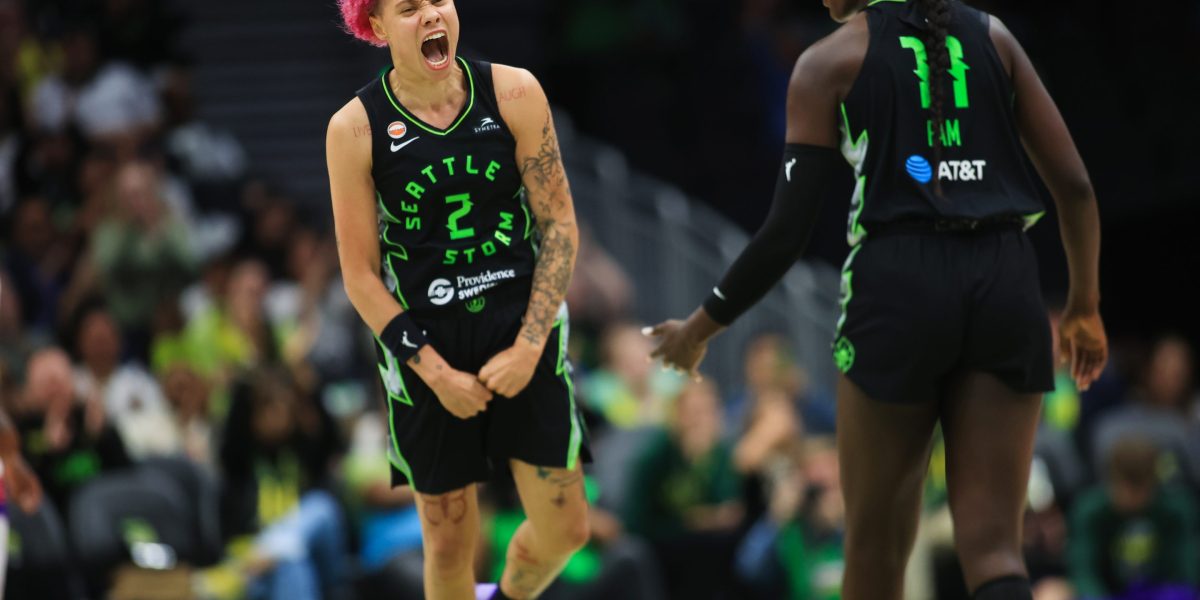
The Seattle Storm has evolved from a subsidiary of the NBA’s SuperSonics into a standalone financial powerhouse valued at approximately $425 million. As NBA Commissioner Adam Silver eyes a Seattle expansion by 2028, the Storm now serves as the primary anchor for basketball culture in the city, shifting the traditional power dynamic between men’s and women’s professional sports.
How did the Seattle Storm flip the script on NBA dominance?
For the first eight years of its existence, the Storm was what co-owner Ginny Gilder calls the “tail” on the “dog.” In 2001, an ownership group led by Howard Schultz bought both the Sonics and the Storm for $200 million. The men’s team handled the heavy lifting, bringing in the bulk of the cash and covering most fixed costs at KeyArena.
Everything changed in 2008. The Sonics left for Oklahoma City after an arena dispute, leaving a void in Seattle basketball. That same year, a group of local businesswomen known as Force 10 Hoops LLC—including Gilder—bought the Storm for just $10 million. That was a mere 5% of the total value of the two-team package Schultz had purchased years prior.
Over the next two decades, the Storm stopped being an appendage. They won four championships and built a brand rooted in social justice and gender parity. According to reports from Fortune, the franchise value has since skyrocketed to an estimated $425 million, placing it among the top five most valuable teams in the WNBA.
What happens when the SuperSonics return to Seattle?
NBA Commissioner Adam Silver has confirmed that the return of the SuperSonics is a primary focus for league expansion, with a potential return date as early as 2028. While the city is eager for the NBA’s return, the power dynamic is now entirely different. The Storm is no longer the “tail.”
Gilder views the return not as a threat, but as a symbiotic opportunity. She describes the relationship between the Storm and the Sonics as “bread and butter, apple pie and vanilla ice cream.” The goal is to create a year-round basketball ecosystem in Seattle.
There is a significant economic advantage here for the WNBA team. Natalie Welch, an assistant professor of marketing at Seattle University, suggests that the Sonics will likely be a “hard ticket” to get due to massive pent-up demand. This creates a spillover effect where the Storm can capture some of that renewed basketball interest and value.
Why the “Business-First” approach saved women’s sports
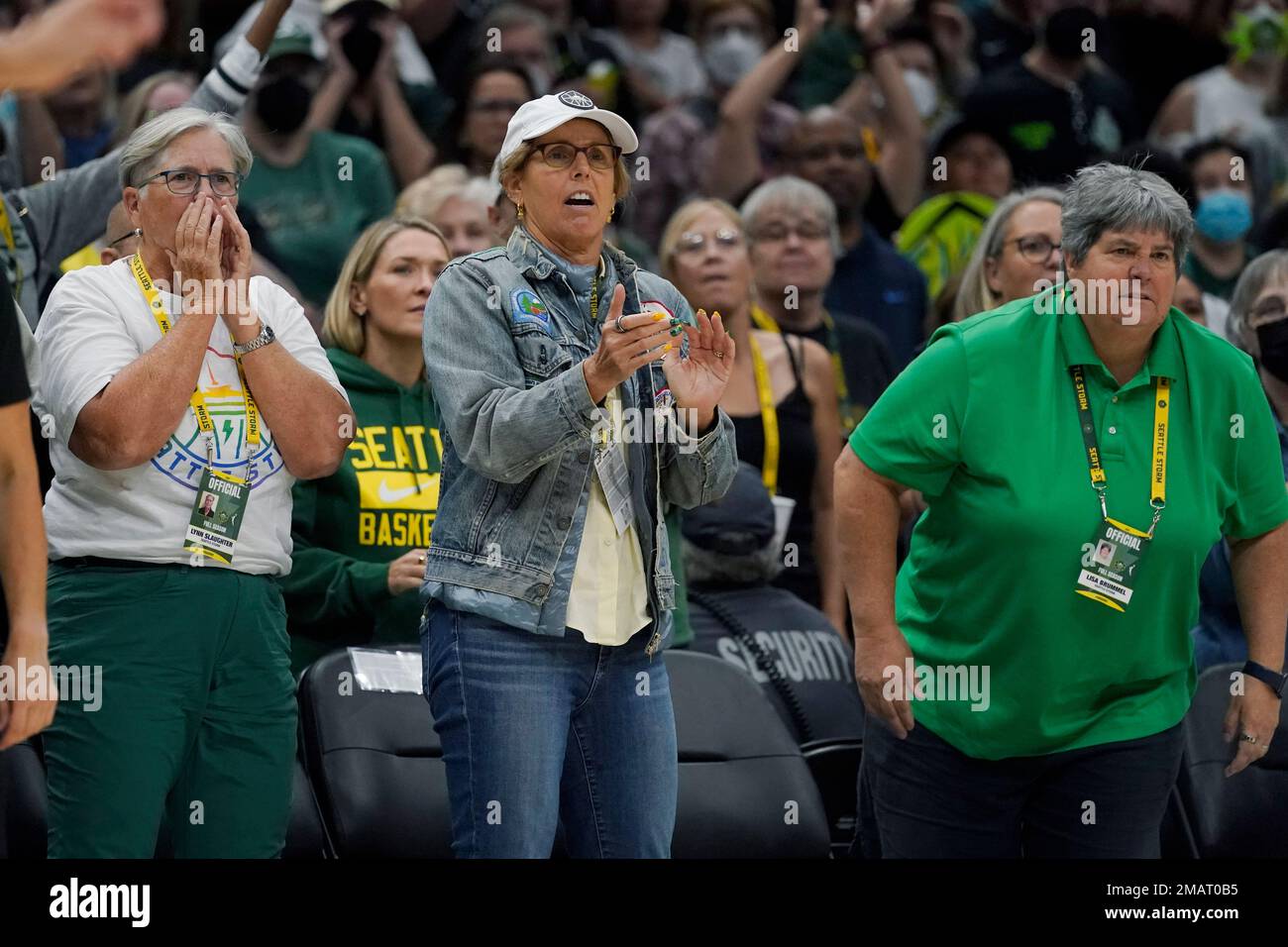
The Storm’s growth wasn’t an accident; it was a deliberate move away from the “charity” model of women’s sports. Gilder and her partners, including Lisa Brummel and Dawn Trudeau, vowed to run the team as a strict business. They believed that for women’s sports to be sustainable, they had to be profitable.
This philosophy is reflected in their pricing strategy. Brummel told Fortune that the organization believes women’s sports are inherently valuable and that fans should pay for the experience. By pairing this business rigor with a high-performance product—highlighted by the career of 13-time All-Star Sue Bird—the Storm proved that gender parity in sports is a viable financial model.
Can the WNBA maintain its soul during rapid expansion?
The league is currently in a massive growth phase, adding teams like the Toronto Tempo and Portland Fire, with more coming to Cleveland, Detroit, and Philadelphia by 2030. However, this growth brings a specific risk: corporatization.
WNBA fans have historically enjoyed a more intimate, less corporate experience than the NBA. Professor Natalie Welch notes that new franchises must walk a fine line. They need to welcome new, casual fans and corporate sponsors without alienating the “hardcore” base that sustained the league during its leaner years.
The Storm’s ability to maintain its community-centric identity while operating out of the state-of-the-art Climate Pledge Arena provides a blueprint for this balance. By anchoring the team in local values, they’ve ensured that the brand remains resilient regardless of how many new teams enter the league.
Comparison: The Evolution of Seattle Basketball Ownership
| Era | Ownership Dynamic | Storm’s Role | Financial Status |
|---|---|---|---|
| 2001–2008 | Shared (Howard Schultz) | The “Tail” | Dependent on NBA costs |
| 2008–Present | Independent (Force 10 Hoops) | The “Dog” | Est. $425M Value |
Frequently Asked Questions
When will the SuperSonics return to Seattle?
While not guaranteed, NBA Commissioner Adam Silver has indicated that expansion could bring the team back as early as 2028.
Who currently owns the Seattle Storm?
The team is owned by Force 10 Hoops LLC, a group of businesswomen that includes Ginny Gilder and WNBA legend Sue Bird.
How much has the Seattle Storm’s value increased?
The team was purchased for $10 million in 2008 and is now estimated to be worth approximately $425 million.
What do you think about the return of the Sonics? Will it help or hinder the growth of the WNBA in Seattle?
Join the conversation in the comments below or subscribe to our sports business newsletter for more deep dives into the economics of the game.