
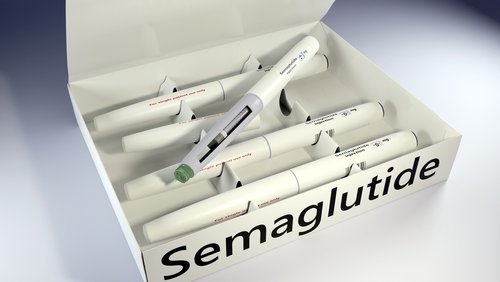
Semaglutide Linked to Quality-of-Life Gains in CKD
New data from the FLOW trial indicates that treatment with semaglutide is associated with sustained improvements in the patient-reported quality of life for individuals living with chronic kidney disease (CKD). These findings were presented by researchers at the 2026 European Renal Association Congress in Glasgow, Scotland.
Measuring Quality of Life and Health Utility
The study evaluated outcomes over a two-year period, focusing on how patients perceived their own health. Researchers found that health utility scores remained stable among those receiving semaglutide, while scores for the placebo group declined.
This resulted in an estimated treatment difference of +0.021 (P=0.001). In practical terms, this difference corresponds to approximately eight additional days per year in full health for patients using the medication.
Further analysis using a visual analog scale showed that self-rated general health improved with semaglutide and worsened with the placebo, yielding a significant treatment difference of +2.15.
Impact on Daily Functioning
The researchers utilized the EQ-5D-5L (EuroQol-5 Dimension five-level version) to track specific domains of health. Improvements were observed in four of the five domains: mobility, self-care, usual activities, and pain/discomfort.
However, the data showed no significant difference between the groups regarding anxiety or depression. The observed benefits remained consistent across various patient subgroups, including those defined by age, BMI, kidney function, albuminuria, and previous cardiovascular events.
Clinical Significance and Patient Outcomes
Johannes F. E. Mann, MD, a professor of medicine at the Friedrich Alexander University of Erlangen, Germany, and senior international scholar at the Population Health Research Institute at McMaster University in Hamilton, Canada, served as the lead author of the study.
In a press release, Dr. Mann stated, “We were surprised by the extent of the quality-of-life benefits seen with semaglutide, because they were not only clinically meaningful but consistently experienced across multiple aspects of daily life, including physical functioning and overall well-being.”
Dr. Mann further noted that these findings “confirm that the benefits of semaglutide in chronic kidney disease extend beyond traditional clinical end points to subjective outcomes that matter directly to patients.”
Future Implications for CKD Care
Because of the global scale of CKD, these results may inform future discussions regarding patient-centered treatment goals. The ability to maintain stability in health utility could lead to a broader integration of quality-of-life metrics in clinical settings.
Future treatment strategies may increasingly prioritize outcomes that impact a patient’s ability to perform usual activities and manage daily self-care.
Frequently Asked Questions
Which specific areas of daily life saw improvement?
Improvements occurred across four EQ-5D-5L domains: mobility, self-care, usual activities, and pain/discomfort.
Did semaglutide impact the mental health of patients in the trial?
No, the researchers found no significant difference in anxiety or depression among the participants.
Were the benefits consistent across different types of patients?
Yes, the benefits were consistent across subgroups defined by BMI, age, prior cardiovascular events, albuminuria, and kidney function.
How do you feel patient-reported quality of life should be weighed against traditional clinical markers in chronic disease treatment?