
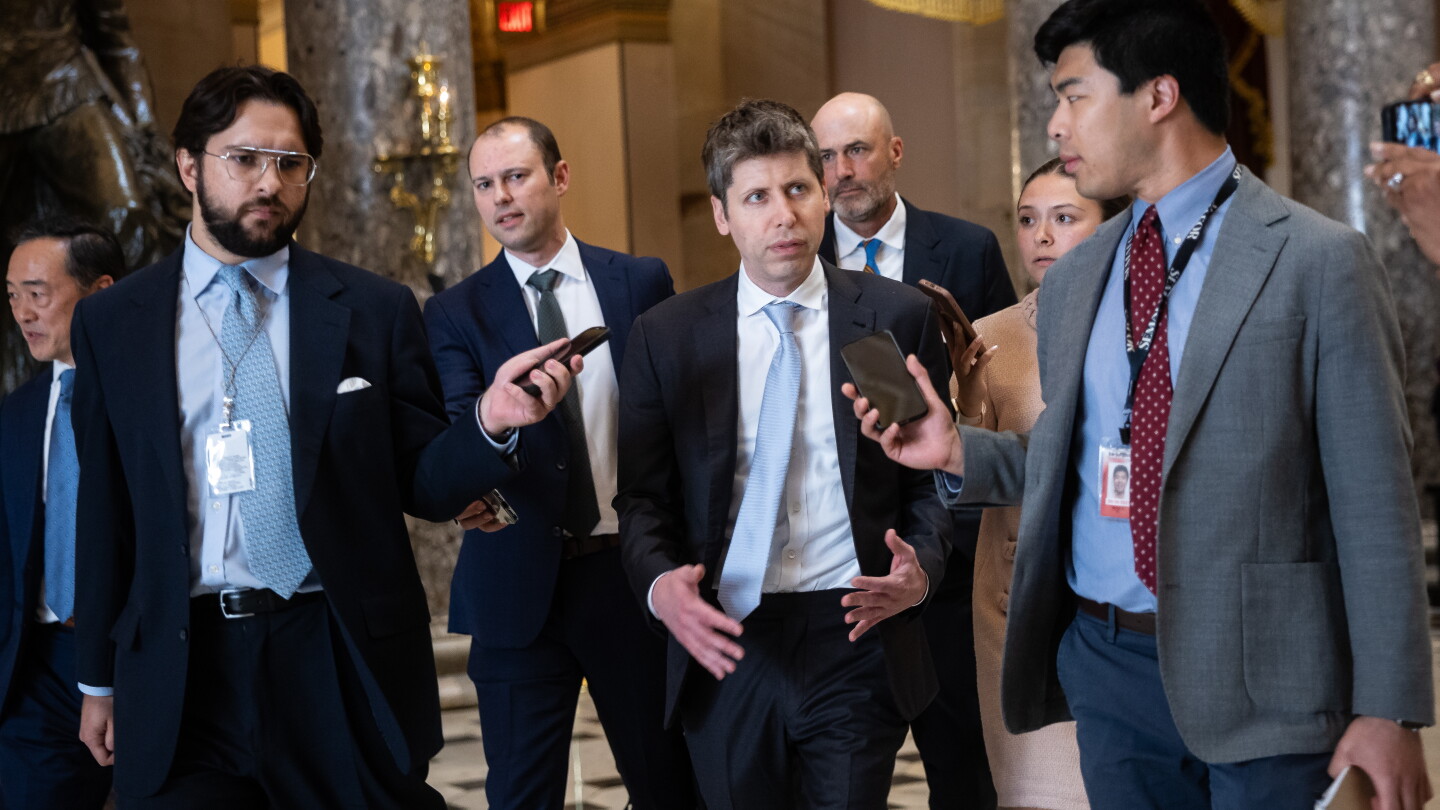
Senior U.S. Officials Eye Government Shares in AI Giants
The Great AI Redistribution: Will the Government Become Your AI Shareholder?
For decades, the relationship between Washington and Silicon Valley has been a tug-of-war between innovation and regulation. But a new, stranger trend is emerging: the U.S. Government isn’t just looking to regulate AI—it’s looking to own a piece of it.
Recent discussions between senior administration officials and AI giants like OpenAI suggest a fundamental shift in how we view the “intelligence economy.” The idea is simple yet radical: the government acquires equity in AI firms and the profits are funneled back to the public, potentially as a direct dividend to American households.
Beyond the Hype: The Rise of the ‘Public Wealth Fund’ Model
The concept of a “Public Wealth Fund” for AI is an attempt to solve a looming socio-economic crisis. As AI automates millions of jobs, the wealth generated by these systems threatens to concentrate in the hands of a few “tech oligarchs.”
By treating AI as a collective human achievement—since these models are trained on the sum of human knowledge—proponents argue that the financial rewards should be socialized. We are seeing a rare moment of bipartisan alignment here; while the Trump administration explores voluntary equity cessions, figures like Senator Bernie Sanders are pushing for mandatory 50% equity stakes.
If this trend continues, we could see the birth of a Sovereign AI Fund. Similar to Norway’s Government Pension Fund Global, which manages oil wealth for future generations, a U.S. AI fund would transform volatile tech growth into a stable social safety net.
The Regulator-Owner Paradox: A Dangerous Conflict?
While the idea of a “government check” funded by AI profits sounds appealing, it creates a massive governance headache. How can the federal government effectively regulate the safety and ethics of a company it partially owns?
If the government becomes a major shareholder, it has a financial incentive to see the company’s valuation rise. This creates a perilous conflict of interest: would the government be less likely to impose strict safety guardrails or antitrust penalties if doing so would crash the stock price and shrink the public dividend?
Industry critics warn that this could lead to “regulatory capture” on steroids. Instead of an independent watchdog, the regulator becomes a business partner, potentially prioritizing profit over public safety.
From Silicon Valley to Main Street: Bridging the AI Wealth Gap
Public anxiety toward AI is at an all-time high. Recent polling indicates that over half of Americans believe AI will do more harm than good in their daily lives. This isn’t just about job loss; it’s about the feeling that the “AI Revolution” is something happening to them, not for them.
Equity sharing is a strategic move to buy public consent. By giving citizens a literal stake in the success of OpenAI or Anthropic, the government can pivot the narrative from “AI is stealing my job” to “AI is funding my retirement.”
We are likely to see several “hybrid” ownership models emerge:
- Voluntary Equity Grants: Companies cede shares to avoid harsher regulation.
- Public-Private Partnerships: Government funding in exchange for “golden shares” that grant veto power over critical safety decisions.
- AI Taxation: High taxes on compute power or AI-generated revenue, feeding into a national trust.
The Global Race for Sovereign Intelligence
This trend isn’t just about economics; it’s about national security. AI is the new electricity. The nation that controls the most powerful models controls the future of cyber-defense, scientific discovery, and economic productivity.
When the U.S. Government takes an equity stake in an AI firm, it ensures that the technology remains under domestic influence. It prevents critical infrastructure from being sold to foreign adversaries and ensures that the “Intelligence Age” remains anchored in American interests.
For more on how this affects the market, check out our deep dive on the future of AI IPOs and how the traditional venture capital model is breaking.
Frequently Asked Questions
Will I actually receive a check from the government if AI companies give up shares?
It’s a possibility, but not guaranteed. The funds could be used for direct dividends (like Alaska’s Permanent Fund), or they could be reinvested into education, healthcare, or infrastructure.
Does this mean the government will run OpenAI?
Not necessarily. There is a big difference between owning shares (passive investment) and operational control (running the company). Most current discussions center on financial stakes rather than management takeovers.
Why would a company like OpenAI agree to this?
It’s a strategic trade-off. Giving up some equity can reduce public hostility, stave off aggressive antitrust legislation, and provide a “political shield” against critics.
Join the Conversation
Do you think the government should own a piece of AI companies to fund public dividends, or is this a dangerous step toward state-controlled tech? Let us know in the comments below or subscribe to our newsletter for weekly insights into the intersection of AI and Power.