
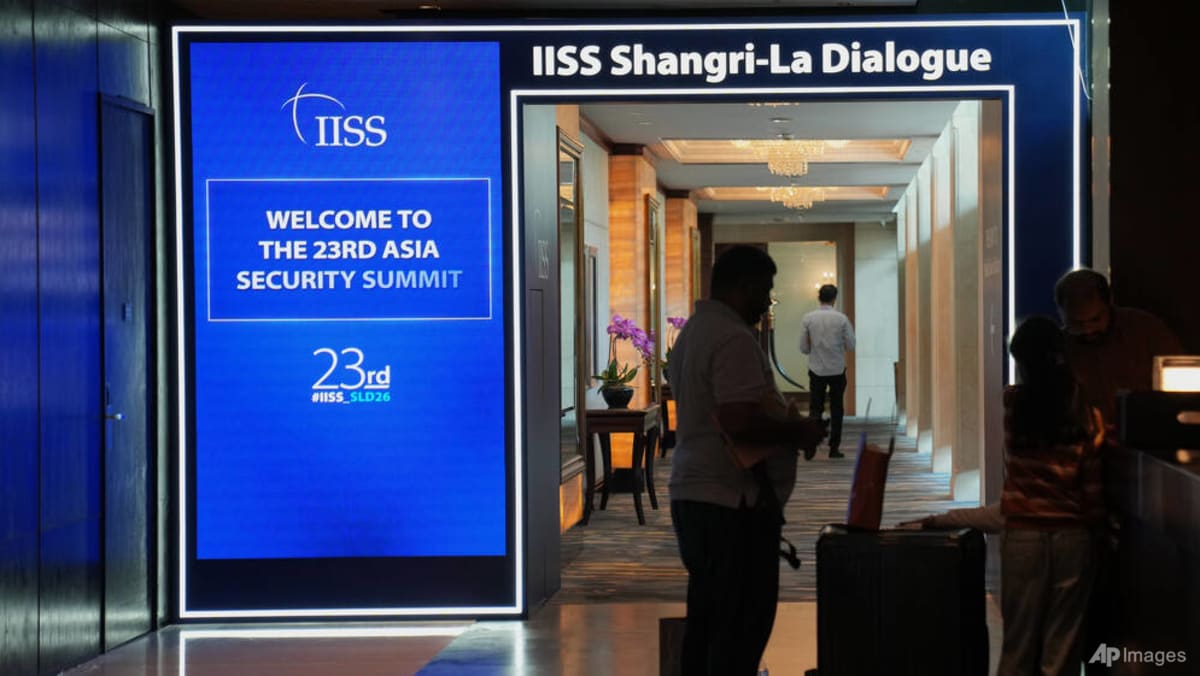
Shangri-La Dialogue 2026: Five things to watch
The Shifting Sands of Indo-Pacific Security: What the Shangri-La Dialogue Tells Us About Our Future
In the high-stakes world of international diplomacy, few stages are as consequential as the Shangri-La Dialogue. As global powers and regional players converge in Singapore, the conversations held behind closed doors are doing more than just addressing current crises—they are mapping the trajectory of global security for the next decade.
From the shadow of the Middle East conflict to the rapid modernization of military forces in Asia, the geopolitical landscape is shifting. For businesses, investors, and policymakers, understanding these tremors is no longer optional; it is essential for navigating an increasingly volatile global economy.
The US Indo-Pacific Strategy: Balancing Act or Strategic Pivot?
The primary question echoing through the hallways of the summit is one of American staying power. With the US administration juggling the complexities of the Middle East and the ongoing fallout from the conflict in Europe, regional allies are seeking ironclad assurances.
The core concern is “strategic distraction.” When the world’s primary security guarantor is pulled in three different directions, the power vacuum in the Indo-Pacific—a region vital to global trade routes—creates a ripple effect of uncertainty. We are seeing a shift where regional players are no longer just passive observers; they are increasingly looking to diversify their security partnerships to hedge against potential US volatility.
Energy Security and the New Economic Reality
Security is no longer just about territorial integrity; it is fundamentally tied to energy and economic survival. The recent volatility in the Middle East has proven that an conflict thousands of miles away can directly impact the cost of doing business in Asia.
For import-dependent economies in the Asia-Pacific, the equation is simple: higher energy prices equal higher inflation, which chokes growth. Experts are now tracking the “security-economy nexus,” where military posture directly correlates to the stability of energy supply chains. As we look toward the future, expect nations to prioritize “energy resilience”—investing in renewables and local storage—not just for climate goals, but as a core national security imperative.
The Rise of Military Modernization
China’s rapid military expansion remains the elephant in the room. This isn’t just about troop numbers; it is about technological dominance. From AI-integrated defence systems to hypersonic capabilities, the pace of modernization is forcing a regional arms race that is difficult to de-escalate.
Did you know? Many defence analysts now argue that the “digital battlefield” is where the next major conflict will be decided, with cyber-defense budgets in the Indo-Pacific growing at nearly double the rate of traditional military spending over the last five years.
Future Trends: What to Expect Next
- Increased Maritime Surveillance: Expect more collaborative efforts to monitor the South China Sea, moving beyond just military vessels to integrated satellite and drone networks.
- Supply Chain Decoupling: Nations will continue to prioritize “friend-shoring,” moving critical defence manufacturing to allied nations to avoid reliance on potential adversaries.
- The Rise of Middle Powers: Countries like Vietnam, Indonesia, and India are emerging as influential “swing states” that hold the keys to maintaining the regional balance of power.
Frequently Asked Questions (FAQ)
- Why is the Shangri-La Dialogue so important?
- It is the only forum of its kind that brings together defence ministers, military chiefs, and experts from across the globe to discuss Asian security, facilitating direct communication between rival powers.
- How does the Middle East conflict affect Asia?
- Beyond the obvious energy price hikes, it forces the US to divert military resources and diplomatic attention, which changes the strategic calculation for security in the Indo-Pacific.
- What is meant by “strategic unpredictability”?
- It refers to the difficulty nations face in planning their long-term defence strategies when the policies of major powers—particularly the US—can shift significantly with changes in political leadership.
How do you see the shifting security landscape impacting your industry or region? Share your thoughts in the comments below, or subscribe to our weekly intelligence briefing to stay ahead of the curve.