
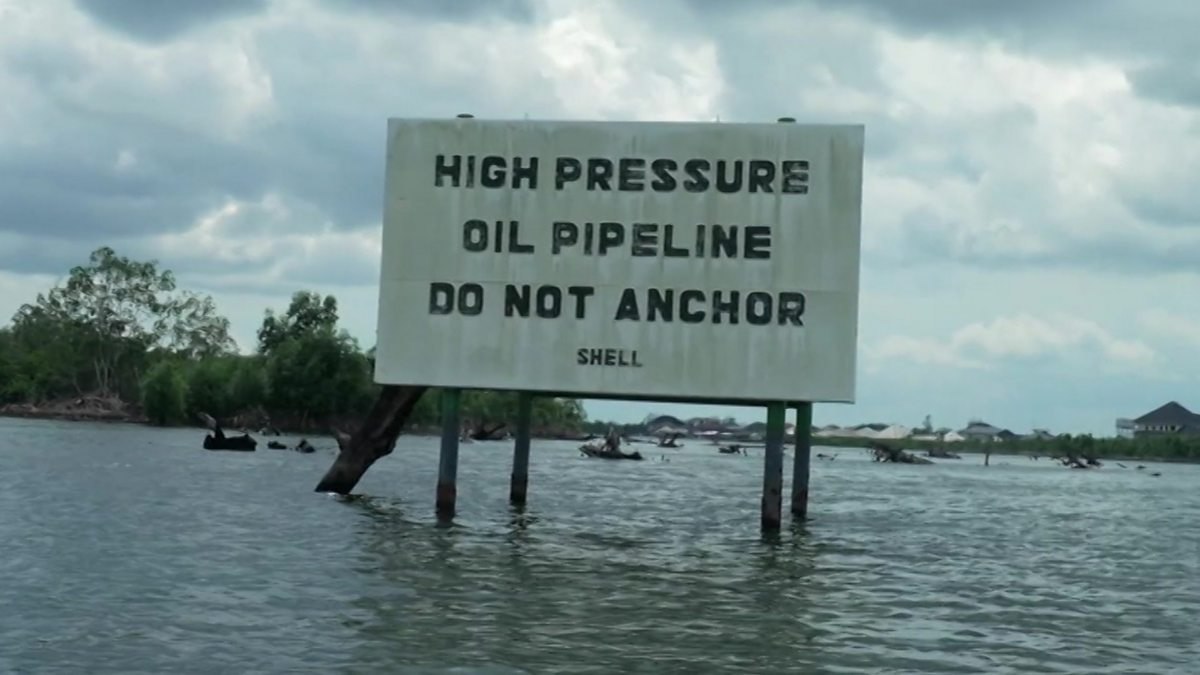
Shell Knew Pipeline Caused Pollution in Nigeria, BBC Documents Reveal
The Corporate Accountability Crisis: Lessons from the Niger Delta
For decades, the relationship between multinational energy giants and the communities where they operate has been under intense scrutiny. Recent revelations regarding Shell’s operations in Nigeria’s Niger Delta—where internal documents suggest the company continued to pump oil through pipelines despite clear evidence of environmental degradation—have reignited the global debate on corporate responsibility.
As we move further into the decade, the “Social” in ESG (Environmental, Social, and Governance) is no longer a boardroom buzzword; it is a legal and reputational imperative. Companies that ignore internal warnings about infrastructure integrity face more than just environmental damage—they face existential risks to their brand and bottom line.
The Future of Environmental Litigation
Historically, holding large corporations accountable for pollution in developing regions has been an uphill battle. However, the landscape is shifting. With the rise of legal settlements like the $16 million payout to Nigerian farmers, we are seeing a new precedent: local communities are increasingly successful in international courts.
Tech-Driven Transparency
Future trends indicate that “corporate secrecy” will become increasingly difficult to maintain. Satellite imagery, AI-driven leak detection, and real-time environmental sensors are democratizing data. If a pipeline is leaking, it will likely be detected by independent researchers or NGOs long before it reaches the headlines, making internal cover-ups a strategy of the past.
Did You Know?
The “Polluter Pays” principle is becoming a cornerstone of international environmental law. It dictates that those who produce pollution should bear the costs of managing it to prevent damage to human health or the environment.
Shifting Industry Standards
Energy companies are under immense pressure to transition toward cleaner energy sources. Yet, as long as oil remains a part of the global energy mix, the focus will turn toward “infrastructure stewardship.”
- Predictive Maintenance: Utilizing digital twins and IoT sensors to predict failures before they result in spills.
- Supply Chain Audits: Third-party verification of environmental impact reports is becoming the gold standard for institutional investors.
- Stakeholder Engagement: Moving beyond “ticking boxes” to genuine community partnership and local economic investment.
Frequently Asked Questions (FAQ)
- What is the primary allegation against Shell in Nigeria?
- Internal documents suggest Shell continued operating major pipelines despite knowing they were causing widespread pollution and ignoring internal warnings to shut them down for repairs.
- How are these environmental issues usually resolved?
- Resolutions often involve lengthy legal battles in international courts, leading to financial settlements for affected communities, though activists argue these rarely cover the full cost of environmental restoration.
- Can technology prevent future pipeline spills?
- Yes. Advanced monitoring technologies, including real-time flow sensors and satellite surveillance, can identify leaks almost immediately, allowing for rapid containment.
Pro Tip: Tracking ESG Compliance
If you are an investor or a concerned citizen, keep an eye on a company’s annual sustainability report. Look specifically for “remediation progress” metrics rather than just general carbon reduction claims. Transparency in cleanup efforts is a major indicator of a company’s true commitment to the environment.

Join the Conversation
Corporate accountability in the energy sector is an evolving story that affects us all, from global climate goals to local human rights. What do you think is the most effective way to hold multinationals accountable? Share your thoughts in the comments below, or subscribe to our newsletter for weekly deep dives into the intersection of business, ethics, and the environment.