
Short-chain oat fiber helps steady glucose and ease gut symptoms in pilot trial
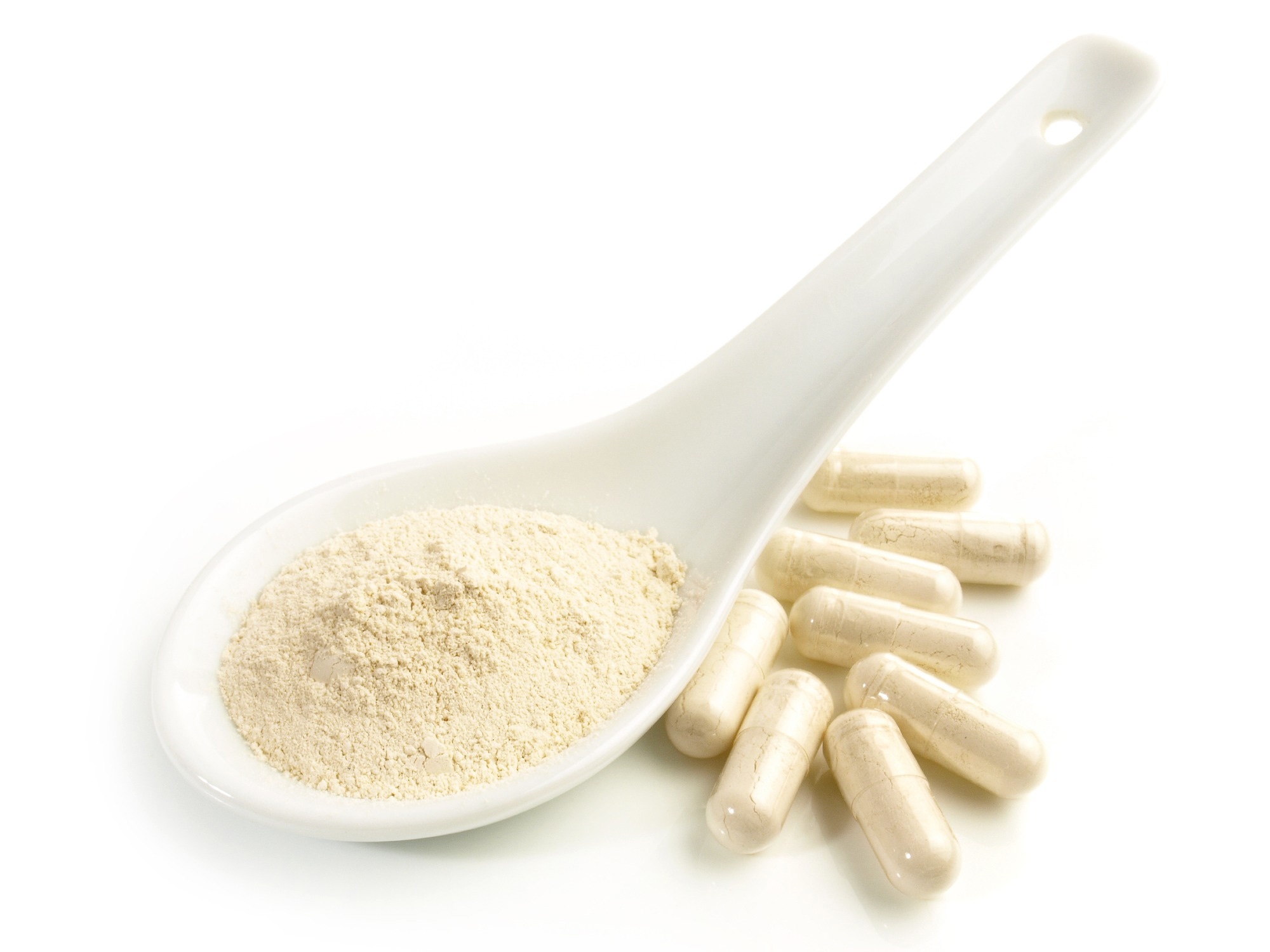
A pilot study published in Frontiers in Nutrition found that a novel short-chain oat fiber supplement improved post-meal glucose responses and reduced gastrointestinal symptoms in healthy adults. Researchers observed that higher doses, specifically 20 grams per day, led to a 13% reduction in peak glucose levels over a two-week period.
The trial involved 63 healthy adults who took daily doses of 5, 10, or 20 grams of the water-soluble powder. According to the study authors, the 20-gram dose provides as much fiber as four servings of oatmeal.
How does short-chain oat fiber affect blood glucose?
The supplement showed a dose- and time-dependent effect on regulating blood glucose after meals. In a rice challenge analysis of 38 participants, 83% of those taking 20 grams per day showed a decreasing peak glucose response over time.
This compares to 69% of participants in the 10-gram group and 54% in the 5-gram group. Those in the 10-gram and 20-gram groups also spent more time in the target blood glucose range as the study progressed.
Researchers suggest these results indicate a slower, more sustained rate of glucose absorption. They noted that the role of β-glucans in this process may not be solely determined by the fiber’s viscosity, pointing instead to a possible role for the gut microbiome.
Is this new oat fiber better tolerated than traditional fiber?
The study found the short-chain oat fiber was safe and well tolerated at doses up to 20 grams per day. While 26 participants reported gas, 15 reported bloating, and 13 reported constipation, these events were generally mild and transient.
Participants in the 5-gram and 10-gram groups actually saw improvements in abdominal pain and total gastrointestinal symptom scores. Constipation symptoms also decreased by the end of the two weeks.
The authors attribute this tolerance to the fiber’s structural advantages. Because it mostly feeds a narrow range of gut microbiota, it may produce fewer gases than other fibers like inulin or short-chain fructans.
What are the limitations of the Frontiers in Nutrition study?
The researchers identified several significant limitations. The trial was open-label, meaning participants knew they were taking the supplement, and no placebo group was used to rule out the placebo effect.
The study also excluded individuals with obesity, diabetes, or gastrointestinal disorders. Additionally, the trial was funded by One Bio Inc., the company associated with the product, and several authors were employees of the firm, including the founder and chief scientific officer.
Other confounding factors, including baseline fiber intake, exercise, and sleep, weren’t fully accounted for. The researchers used only one rice challenge per participant, which could introduce variability in the data.
What may happen next for oat fiber research?
The authors suggest that these preliminary findings could be confirmed in larger, placebo-controlled trials. Future research may likely include participants who already have mental health symptoms or glucose dysregulation at baseline.
Researchers may also seek to perform direct comparisons between short-chain oat fiber and other dietary fiber sources. This could help determine if this specific fiber is more effective or better tolerated than existing alternatives.
Frequently Asked Questions
What is short-chain oat fiber?
It is a novel, low-viscosity fiber consisting of 91.3% oat fiber, with the oat fiber fraction containing 90.4% β-glucan. It’s designed to retain the benefits of dietary fiber while minimizing the thick texture and sensory issues associated with long-chain fibers.
Did the supplement affect mental health?
Preliminary analyses of participants with mild baseline symptoms suggested improvements in worry, irritability, and a lack of enjoyment in life over the study period.
How was the glucose response measured?
Researchers used a rice challenge to analyze peak glucose concentrations and measured the total 4-hour glycemic exposure using AUC and iAUC.
Do you prioritize digestive comfort or blood sugar regulation when choosing a fiber supplement?