
Short Pauses, Long Shadows: War-Legacy Aid and Vietnam’s Trust in U.S. Commitments
The Fragile Bedrock: Why U.S. Reliability is the New Currency of Indo-Pacific Diplomacy
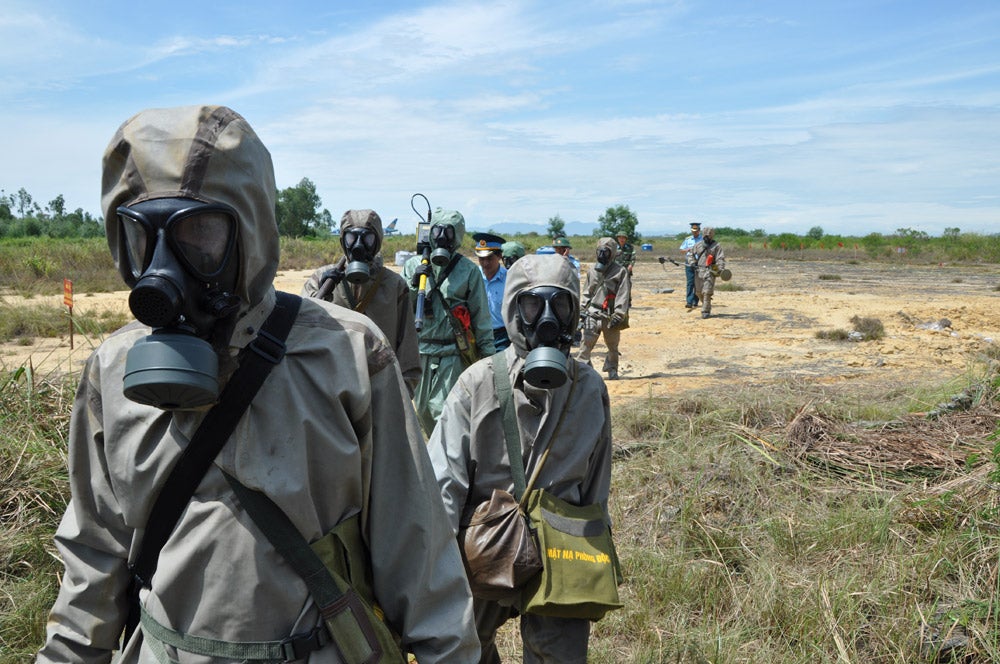
In the high-stakes theater of Indo-Pacific geopolitics, trust is often more valuable than military hardware. For three decades, the United States and Vietnam built a remarkable foundation of reconciliation, centered on the unglamorous but vital work of cleaning up war legacies. From removing unexploded ordnance (UXO) to remediating dioxin “hot spots” like the Bien Hoa airbase, these efforts were more than aid—they were a litmus test of American character.
However, recent administrative shifts in Washington have exposed a structural vulnerability: the ease with which domestic political volatility can dismantle years of diplomatic progress. When foreign aid is treated as a political lever rather than a strategic asset, the ripple effects are felt far beyond the project sites, fundamentally altering how regional powers view their long-term partnerships with the United States.
The Cost of Fickleness: How China Gains When America Wavers
The temporary freeze of humanitarian aid didn’t just halt soil remediation; it sent a chilling signal to Hanoi. For a country that balances its relationships with both Washington and Beijing, the interruption of U.S.-backed programs provided an opening for China to position itself as the “reliable” long-term alternative.
We saw the immediate consequences: while the U.S. Was managing internal confusion, Beijing was signing dozens of agreements on technology, supply chain integration, and infrastructure. When the most tangible, moral symbol of a partnership—healing the scars of war—is suddenly put at risk, it weakens the hand of pro-U.S. Officials who argue that Washington is a consistent, dependable partner.
The Shift Toward Multilateral Hedging
Regional powers are no longer putting all their eggs in the American basket. We are seeing a distinct trend toward multilateralization. Vietnam is increasingly courting Japan, South Korea, and European nations for environmental and humanitarian projects. By diversifying its donor base, Hanoi is building a “strategic safety net,” ensuring that if one superpower experiences a political shift, their critical development work won’t grind to a halt.
Firewalling Diplomacy: Securing the Future of Foreign Aid
If the U.S. Wants to remain the partner of choice in the Indo-Pacific, it must move beyond the era of discretionary, administration-dependent aid. The current model is too susceptible to the whims of executive orders and partisan budget cycles. To regain its footing, Washington needs a new approach:
- Statutory Protection: Much like the success of PEPFAR (the President’s Emergency Plan for AIDS Relief), war-legacy programs require permanent legislative backing. By codifying these commitments, Congress can remove them from the crosshairs of daily political maneuvering.
- Multi-Year Funding Cycles: Moving from annual appropriations to five-year cycles provides the predictability that partner nations demand.
- Strategic Multilateralism: By co-financing projects with allies like Japan and the EU, the U.S. Not only shares the financial burden but also creates a collective stake in the region’s stability, making it harder for any single actor to disrupt progress.
FAQ: Understanding U.S.-Vietnam Strategic Relations
Why are war-legacy programs considered “strategic”?
These programs address the moral debt from the Vietnam War. Addressing these issues builds deep-seated trust, which acts as a “gateway” for more sensitive cooperation in defense, intelligence, and regional security.
How does aid disruption affect China’s regional influence?
When the U.S. Appears inconsistent, it validates Beijing’s narrative that American commitments are temporary and subject to domestic political shifts, making regional nations more hesitant to rely on U.S. Security guarantees.
Can war-legacy projects be “future-proofed”?
Yes. By moving these programs out of the realm of discretionary foreign aid and into a framework of bipartisan statutory obligation, the U.S. Can ensure that its promises remain intact regardless of who occupies the White House.
What do you think is the biggest challenge for U.S. Diplomacy in the coming decade? Share your thoughts in the comments below or subscribe to our weekly intelligence briefing for more in-depth analysis on Indo-Pacific trends.