
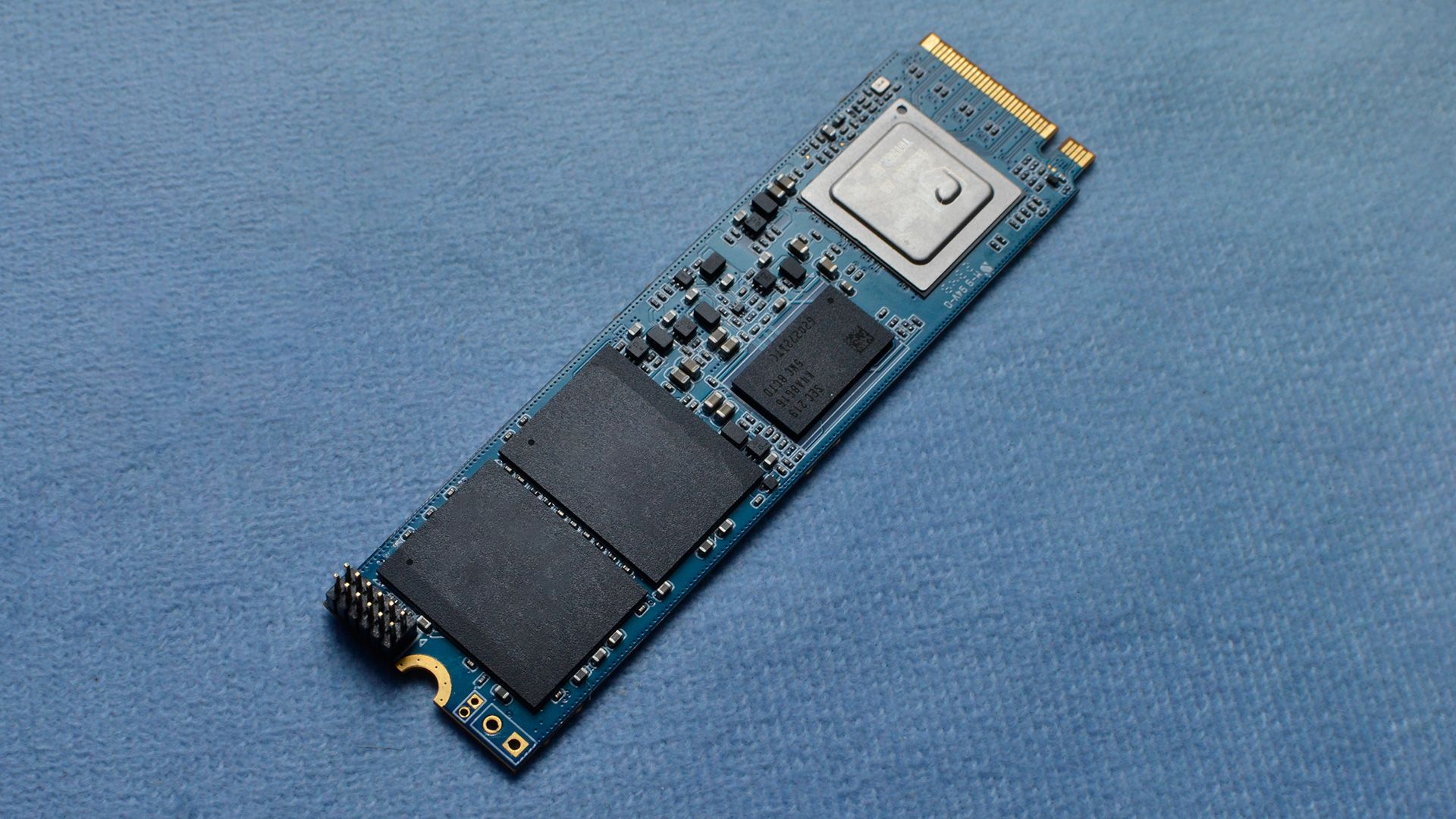
Silicon Motion Warns of Growing NAND Supply Shortage for Consumer SSDs
The SSD Supply Crunch: Why Your Next Drive Might Cost More
If you have been shopping for a new NVMe drive lately, you may have noticed that the “price-per-gigabyte” sweet spot isn’t quite as sweet as it used to be. The storage market is currently navigating a complex bottleneck and industry signals suggest that relief for consumers isn’t just around the corner—it might actually get worse before it gets better.

The Enterprise vs. Consumer Tug-of-War
The primary driver behind current pricing volatility is a massive shift in resource allocation. As cloud service providers (CSPs) and artificial intelligence data centers scale their infrastructure, they are consuming a disproportionate amount of available 3D NAND memory.
Manufacturers are finding it more profitable—and necessary—to funnel their limited flash supply into high-margin enterprise controllers and data centre SSDs. This leaves the consumer market with a smaller slice of the pie. Even as demand for low-end consumer electronics cools, the overall supply scarcity keeps retail prices high.
Why Your SSD Controller Matters More Than Ever
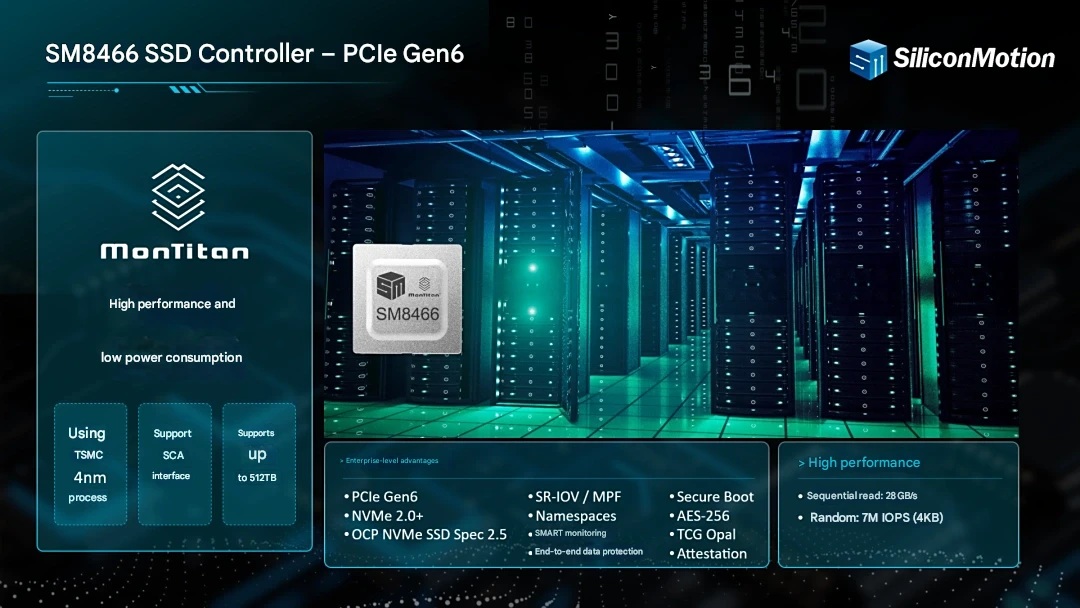
While NAND availability is the headline, the “brain” of the drive—the controller—is where the real innovation is happening. Companies like Silicon Motion are reporting strong revenue growth, not because they are selling more units, but because they are successfully pivoting toward high-end PCIe 4.0, and 5.0 controllers.
These advanced controllers offer better power efficiency and speed, features that enterprise clients are willing to pay a premium for. For the average power user, this means that while prices are up, the performance-per-watt of modern drives is hitting new benchmarks.
What to Expect in the Coming Years
Market analysts and industry insiders are bracing for a challenging period through 2027. The consensus is that as data centers continue their aggressive expansion, NAND suppliers will have little choice but to maintain strict allocations.
For the consumer, this could lead to a shift in the market where high-capacity drives become luxury items, while mid-range drives (like 1TB or 2TB models) become the absolute standard for years to come. If you need massive storage, the advice from industry experts is clear: buy what you need when you see a fair price, rather than betting on a market correction that may be years away.
Frequently Asked Questions
- Why are SSD prices increasing? Prices are rising due to a supply-demand imbalance where manufacturers prioritize high-margin enterprise and data centre NAND over consumer-grade flash memory.
- Should I wait to buy an SSD? Given the current supply constraints and industry forecasts, significant price drops are unlikely in the near term. If you need storage for work or gaming, current prices are likely to remain the baseline.
- How does the “controller” affect my SSD? The controller manages how data is written to and read from the NAND. High-end controllers (like PCIe 5.0) allow for faster speeds and better reliability, which is why they are currently in high demand.
- Will storage capacities get smaller? Not necessarily smaller, but manufacturers may focus on more efficient capacity tiers to maximize the available NAND supply.
Are you holding off on a storage upgrade, or are you pulling the trigger despite the current market trends? Let us know your thoughts in the comments below, or check out our latest SSD performance reviews to find the best value for your setup.