
Simple Daily Habits to Reduce Cancer Risk: Expert Tips
Oncology experts, including specialists from Memorial Sloan Kettering and the Karmanos Cancer Institute, suggest that simple daily habits—such as home cooking, regular squats, and avoiding hot plastics—can significantly reduce cancer risk. These professionals emphasize that consistency in maintaining healthy routines is the most critical factor in long-term prevention.
How can home cooking and diet lower cancer risk?
Cooking at home allows for precise control over ingredients. According to Dr. Michael Dommello, a radiation oncologist at the Karmanos Cancer Institute, preparing meals at home helps individuals limit salt, sugar, and butter while reducing the intake of processed and ultra-processed foods.
Dr. Dommello noted in Time magazine that making your own food ensures you know exactly how much salt, sugar, and unhealthy fats are being used.
Plant-based diets are also highly recommended by specialists. Dr. Andre Goy, medical director at the John Theurer Cancer Center at Hackensack University Medical Center, reports that 70% to 80% of his weekly meals are plant-based.
To support this, Dr. Andrea Tufano-Sugerman, a gynecologic oncologist at Memorial Sloan Kettering Cancer Center, aims for 30g of dietary fiber daily. She recommends sources such as chia seeds, popcorn, beans, brown rice, fruits, and vegetables.
Why are strength training and squats recommended?
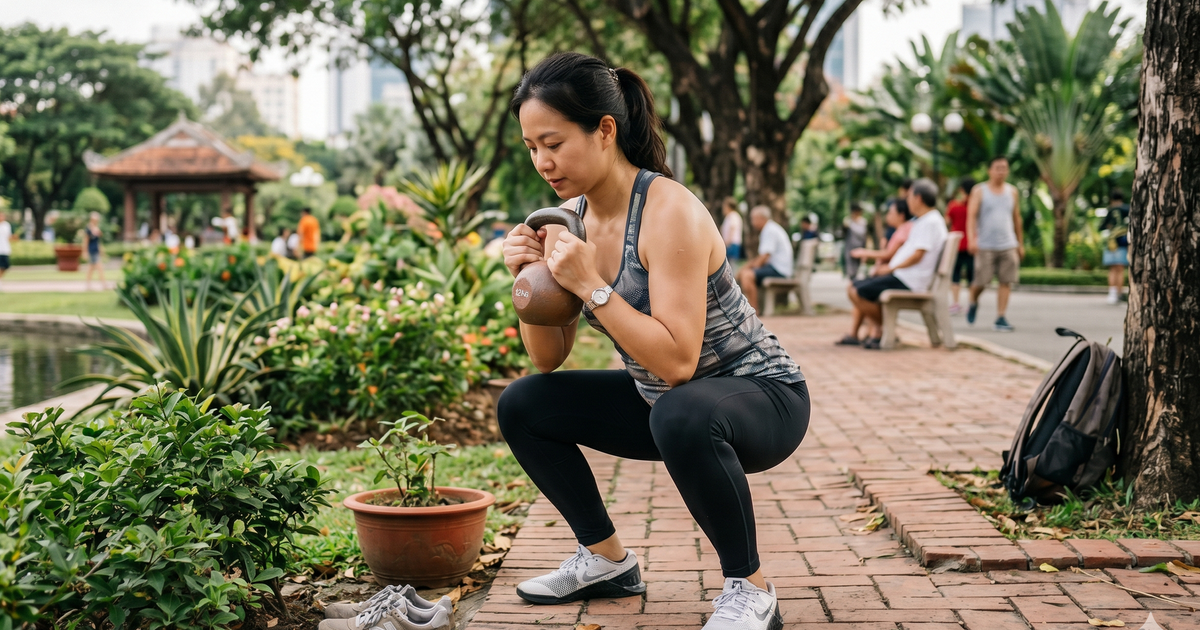
Many oncologists incorporate strength training into their own routines due to the hormonal and metabolic changes it triggers. Dr. Dommello recommends weight training or squats at least two, and ideally three, times per week.

Squats are particularly effective because they target large muscle groups, which enhances overall strength and physical fitness. According to Time, combining squats with knee bends and push-ups can quickly raise the heart rate, benefiting both muscle growth and cardiovascular health.
What are the risks of hot food in plastic containers?
Dr. Nikki Wood, a pediatric hematologist-oncologist at Children’s Mercy Hospital in Kansas City, avoids delivery foods due to concerns about chemicals leaching from plastic containers when they hold hot food.
Experts state that certain plastics can release chemicals when exposed to high temperatures. Some of these substances are classified as endocrine disruptors, which have been studied for their links to various health issues, including an increased risk of certain cancers.
To mitigate this, Dr. Wood waits until food reaches nearly room temperature before placing it in plastic storage containers.
What other daily habits support long-term health?
Beyond diet and exercise, specialists highlight the importance of restorative sleep and preventative screenings. Experts recommend getting between 7 and 9 hours of sleep every night.
Oral hygiene is also linked to systemic health. Because poor oral health and periodontal disease are associated with chronic inflammation, doctors advise visiting a dentist at least twice a year.
Finally, early detection remains vital. Specialists warn against ignoring early warning signs of colon cancer, such as rectal bleeding or persistent changes in bowel habits.
What may happen next?
If individuals consistently integrate these lifestyle changes, they may see a decrease in their overall risk of developing certain cancers. A shift toward more plant-based eating and reduced plastic use could potentially lower the prevalence of endocrine-related health issues in the population.

Conversely, if early warning signs like bowel habit changes continue to be ignored, it is likely that diagnosis rates for colorectal cancers may remain high. Future public health guidance may further emphasize the synergy between metabolic health through strength training and dietary fiber intake.
Source: https://thanhnien.vn/bac-si-mach-ngua-ung-thu-bang-an-com-nha-tap-ngoi-xom-185260606215407794.htm
Frequently Asked Questions
How much fiber should I consume daily for cancer prevention?
Dr. Andrea Tufano-Sugerman suggests aiming for 30g of dietary fiber per day through foods like beans, brown rice, chia seeds, and vegetables.
How often should I perform strength exercises like squats?
Dr. Michael Dommello recommends performing strength training or squats at least two times a week, with three times being ideal.
Why is it dangerous to put hot food in plastic?
Some plastics can release endocrine-disrupting chemicals when exposed to heat, which experts have linked to various health problems and an increased risk of certain cancers.
Which of these simple habit changes do you find most achievable in your daily routine?