
Single-Protein Analysis Reveals Hidden Cell Functions
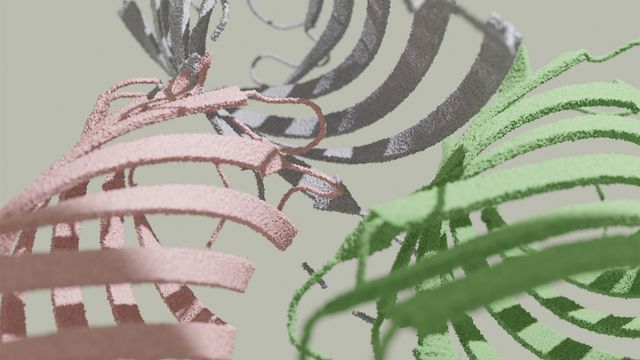
Researchers have developed a single-protein imaging technique that allows scientists to measure the activity of individual scramblase proteins in real time. Led by investigators at Weill Cornell Medicine and Ruhr University Bochum, the study, published June 15 in Nature Structural & Molecular Biology, moves beyond traditional “bulk analysis” to reveal the specific speeds at which these essential membrane proteins function.
How does single-molecule imaging change cell biology?
Traditional “ensemble” methods, which measure the average activity of thousands of proteins at once, often mask critical differences between individual molecules. By using fluorescence-tagged scramblases within tiny lipid spheres called vesicles, researchers can now isolate and observe a single protein. According to Dr. Anant Menon, a professor of biochemistry and biophysics at Weill Cornell Medicine, this platform provides unprecedented data on the exact speed of single protein activity, moving away from the average-based measurements that have dominated the field for years.

Did you know? Scramblases are “moonlighting” proteins. While VDAC1 is primarily known as a mitochondrial channel, researchers recently discovered it also functions as a lipid-scrambling protein.
What are the differences between scramblase proteins?
The new imaging platform has already exposed significant performance gaps between different types of scramblases. For instance, the study found that VDAC1 dimers—which must pair up to function—show a massive range of activity, scrambling anywhere from fewer than 100 to more than 1,000 lipids per second. In contrast, the light-detecting protein opsin, which also acts as a scramblase, moves lipids at a much higher velocity, exceeding 10,000 lipids per second. This 10-fold difference highlights that protein function is highly dependent on specific structural conformations.
Future applications in medicine and drug development
Because scramblases are involved in fundamental processes like muscle development, molecular trafficking, and cell survival, they are high-value targets for future pharmaceutical interventions. Dr. Thomas Günther-Pomorski of Ruhr University Bochum and his team suggest that the ability to modulate these proteins could eventually lead to new strategies for treating diseases linked to membrane dysfunction. Researchers plan to use this platform to determine how drug molecules interact with these proteins and how membrane lipid composition influences their overall efficiency.

Frequently Asked Questions
- What are scramblases? They are proteins located in cell membranes that rearrange lipids, a process essential for cell survival and membrane assembly.
- Why was the old “bulk” method limited? It measured the average activity of many proteins, making it impossible to identify how individual protein variations contribute to biological function or dysfunction.
- What is the primary advantage of the new technique? It uses fluorescence-tagged proteins and sophisticated microscopy to measure the scrambling rate of a single protein in isolation.
Stay informed on the latest breakthroughs in molecular biology. Subscribe to our newsletter for weekly updates on research from the world’s leading laboratories.