
/data/photo/2025/12/01/692cf7a2cdc2f.jpg "SK Hynix Drops College Degree Requirement for New Hires to Boost AI Talent")
SK Hynix Drops College Degree Requirement for New Hires to Boost AI Talent
SK Hynix Drops Degree Requirements to Meet AI Talent Surge
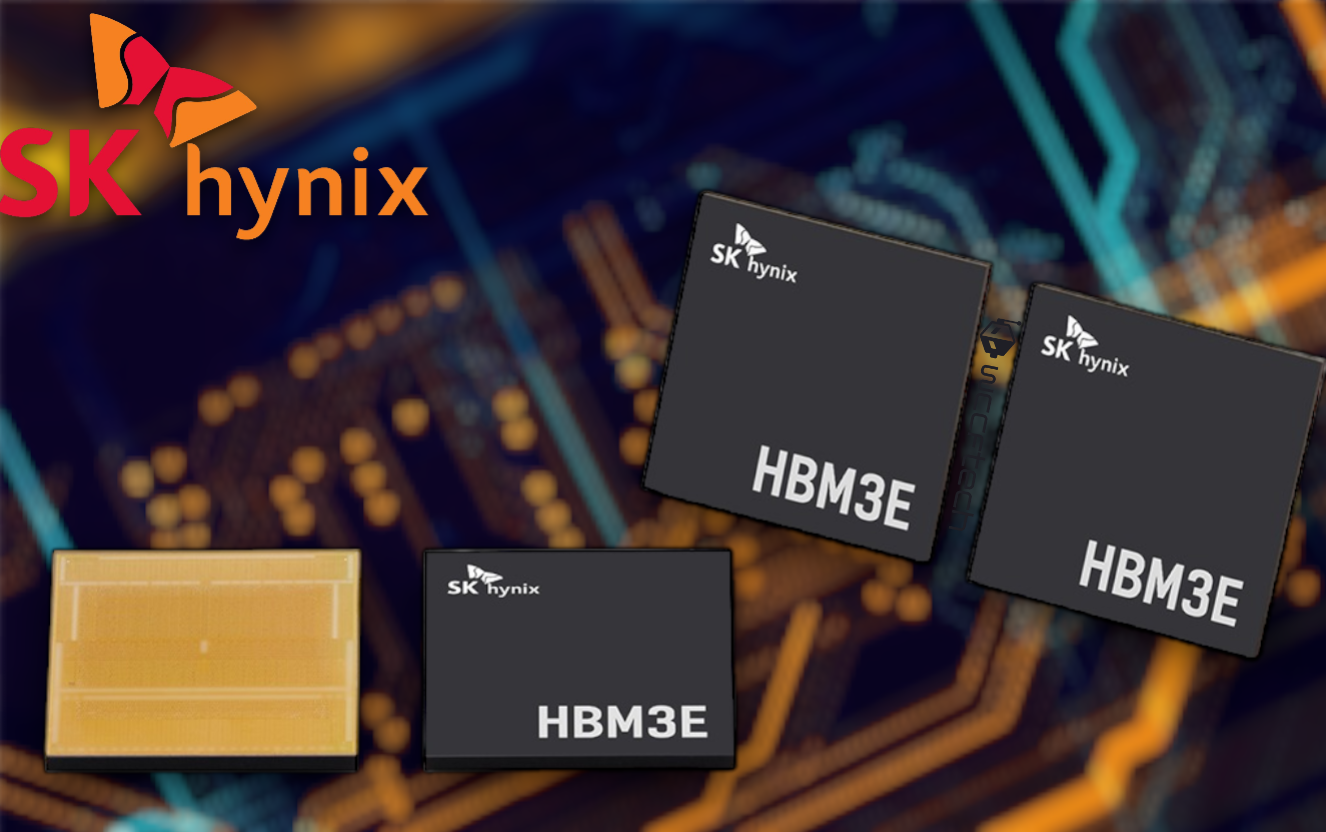
South Korean semiconductor giant SK Hynix has officially removed university degree requirements from its recruitment process, prioritizing technical competence and hands-on experience over formal academic credentials. The policy, which took effect in early 2026, aims to widen the talent pool as the company scales production of High Bandwidth Memory (HBM) chips essential for Nvidia’s artificial intelligence accelerators. According to the Korea Herald, company officials stated that traditional educational markers are no longer sufficient to gauge an applicant’s potential in the rapidly evolving AI sector.
Despite a high rate of higher education attainment—with 71% of South Koreans aged 25–34 holding degrees according to OECD data—the nation continues to face significant youth unemployment due to a mismatch between academic curricula and industry requirements.
Why are major tech firms moving away from degree-based hiring?
Tech companies are shifting toward skill-based hiring to solve the acute talent shortage in specialized fields like AI and chip architecture. By removing the S1 (bachelor’s degree) requirement, SK Hynix joins a global trend of corporations prioritizing functional ability. This strategy allows firms to capture self-taught engineers and experienced developers who may not follow traditional academic paths. As reported by Kompas.com, the company intends to fill hundreds of strategic roles, including the design of next-generation semiconductors, by focusing on candidates who demonstrate specific competency and alignment with company culture.
How does this policy compare to other industry moves?
The transition at SK Hynix mirrors a broader pattern of corporate restructuring in response to the AI boom. While some firms have historically relied on mass layoffs to pivot resources, others are aggressively hiring to maintain market share. IBM, for instance, transitioned from cutting thousands of roles to launching large-scale recruitment drives to bolster its AI divisions, as noted in reports from KompasTekno. This contrast highlights a common industry struggle: balancing current operational costs with the urgent need for specialized human capital in the AI race.
If you are applying for roles in the semiconductor or AI industries, focus your resume on project portfolios, specific technical proficiencies, and measurable contributions to past work rather than solely highlighting your academic history.
What is the future of skill-based hiring in South Korea?
SK Hynix’s policy is significant because it challenges South Korea’s deeply ingrained culture of credentialism. With the country’s youth unemployment rate remaining a persistent economic concern, this move could set a precedent for other conglomerates within the SK Group and beyond. Chairman Chey Tae-won has previously advocated for a shift in how the company defines “future talent,” suggesting that adaptability and practical problem-solving are becoming more valuable than standardized qualifications. Given that SK Hynix hired over 2,000 employees in 2025 alone, the impact of this recruitment shift will be felt across the domestic labor market.
Frequently Asked Questions
Does this mean SK Hynix no longer values education?
No. The company is shifting its focus to prioritize relevant skills and experience. Academic degrees remain one way to demonstrate expertise, but they are no longer a mandatory gatekeeper for applicants.

Which positions are affected by the new hiring policy?
The policy applies to the company’s broader recruitment processes, specifically targeting roles in AI development, chip design, and strategic technical operations.
Will this change increase the number of job applicants?
Yes. By removing the degree barrier, the company effectively opens its doors to self-taught professionals, career changers, and individuals with specialized vocational training who were previously disqualified by automated screening processes.
Are you looking to break into the semiconductor industry? Share your thoughts on the shift toward skill-based hiring in the comments below or subscribe to our newsletter for the latest updates on tech labor trends.