
Sleep and Exercise Can Offset Genetic Risks for Heart Disease and Stroke
Routine exercise and quality sleep may counteract the cardiovascular risks posed by specific genetic mutations that cause inflammation, according to research published June 10 in the journal Nature. These mutations, which accumulate in immune cells over a lifetime, can increase the risk of heart disease and stroke independently of traditional factors like smoking or high cholesterol.
Did You Know? Clonal hematopoiesis (CH) is a condition where certain gene variants accumulate in the blood; researchers have detected these mutations in more than 10 percent of individuals over the age of 70.
Expert Insight: While patients cannot alter their genetic makeup, this study highlights that lifestyle choices may serve as a functional lever to influence gene activity. The potential to mitigate risk through behavior offers a proactive strategy for those carrying high-risk mutations, particularly as some of these variants are present in 3 to 4 percent of the European population.
How Genetics and Lifestyle Intersect
The human body produces billions of immune cells daily through the division of stem cells, a process that can occasionally introduce DNA glitches. While many mutations are benign, some lead to clonal hematopoiesis (CH). Stanford University immunologist Siddhartha Jaiswal notes that these mutations act as a precursor to blood cancer, similar to how polyps function in a colonoscopy. Beyond cancer risk, these mutations are linked to a 30 to 40 percent higher death rate from heart attacks and strokes.
The Role of Immune Cells in Heart Disease
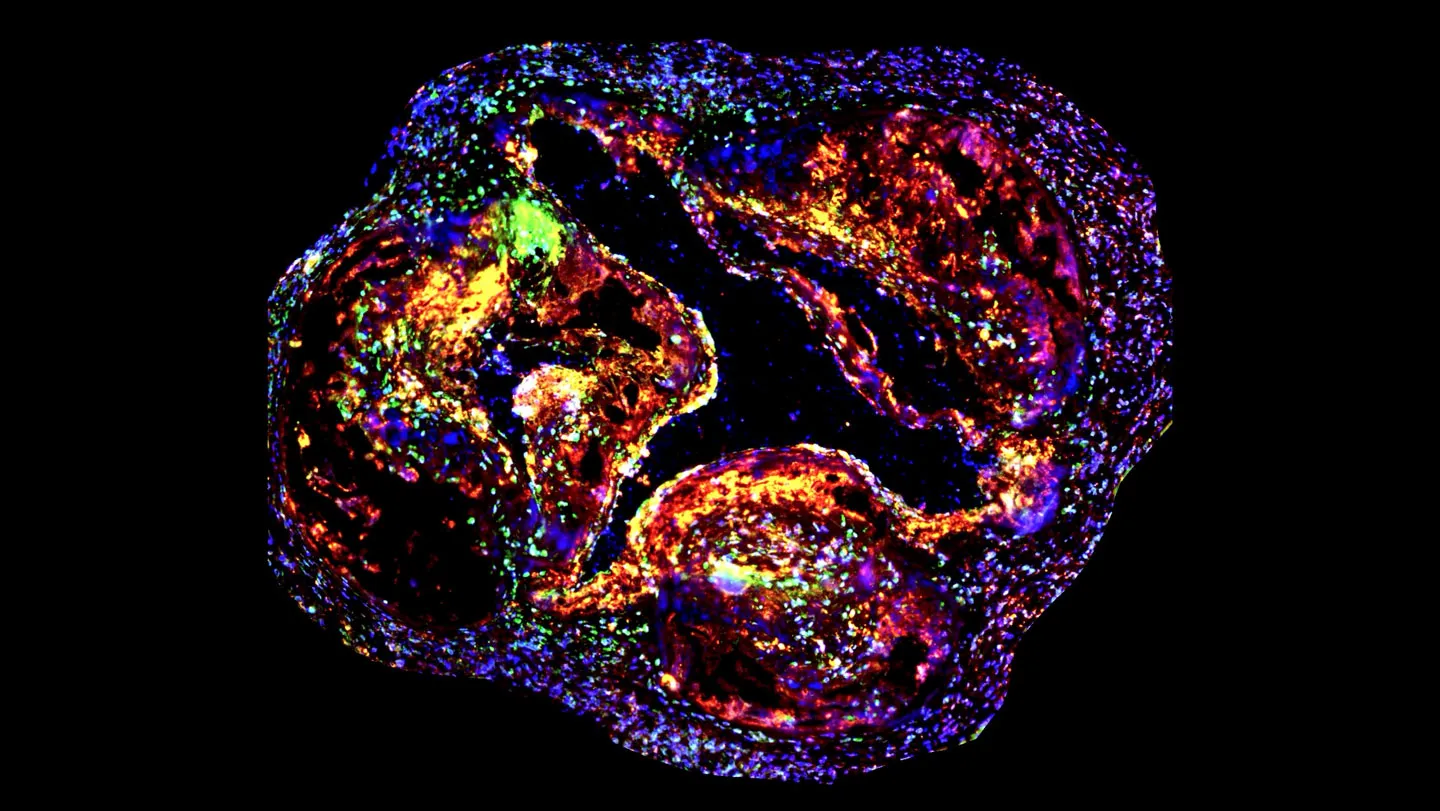
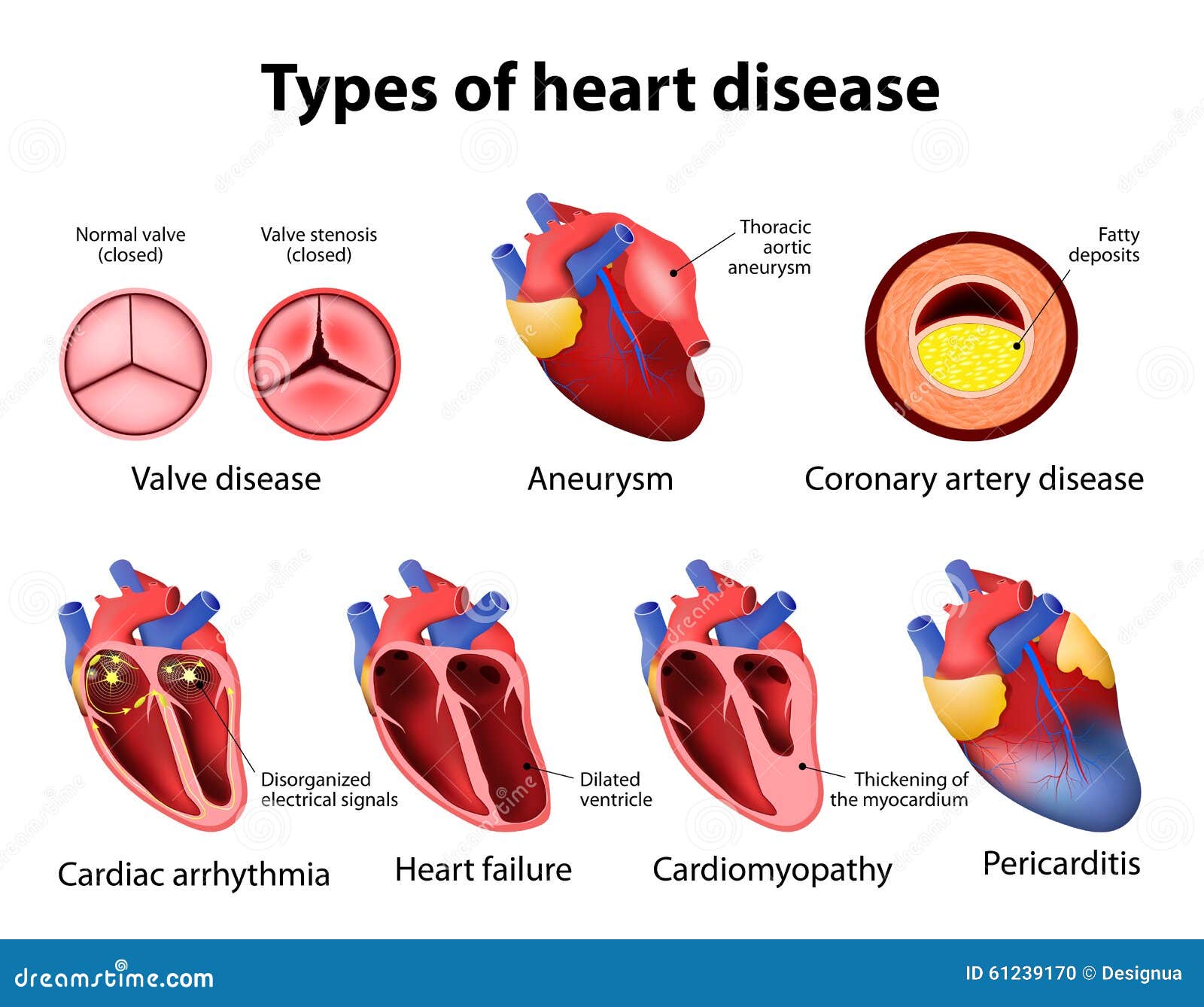
Researchers have identified how these mutations worsen cardiovascular health. Mount Sinai neuroimmunologist Cameron McAlpine explains that immune cells known as macrophages enter clogged arteries to consume cholesterol. However, CH mutations cause these cells to release inflammatory signals that exacerbate atherosclerosis. By analyzing data from over 91,000 adults in the U.S. and U.K., researchers found that individuals engaging in moderate to vigorous physical activity saw a 13 percent reduction in the proportion of these specific mutations.
Experimental Findings in Mice
Laboratory studies provided clearer evidence of how behavior affects disease progression. Mice engineered with CH mutations and fed high-cholesterol diets showed smaller arterial plaques when given access to exercise wheels. Conversely, mice subjected to sleep disruption experienced an increase in disease severity. According to physician Teresa Gerhardt, these results indicate that while you cannot remove your genes, you may be able to influence their impact through consistent lifestyle habits.
What May Happen Next
Future clinical applications could involve personalized lifestyle interventions tailored to a patient’s specific genetic profile. Because the effectiveness of exercise and sleep varies depending on the specific gene variant involved, as noted by Columbia University researcher Alan Tall, further research may clarify which patients stand to gain the most. Analysts expect that as our understanding of these gene-environment interactions grows, medical professionals may be better equipped to provide targeted guidance to those at high genetic risk for cardiovascular events.
Frequently Asked Questions
What is clonal hematopoiesis?
Clonal hematopoiesis (CH) is a condition occurring when gene variants accumulate disproportionately in the blood, often as a result of DNA glitches during the replication of immune cells.
Can lifestyle changes eliminate the risk of CH-related heart disease?
Research indicates that lifestyle changes such as exercise and sleep can mitigate, but not necessarily eliminate, the risk. The effectiveness of these interventions varies depending on the specific gene variant involved.
Are these mutations only linked to heart disease?
No. In addition to a higher risk of heart attacks and strokes, these mutations are also associated with an increased risk of blood cancer.
How might you adjust your daily routine to better support your long-term cardiovascular health?