
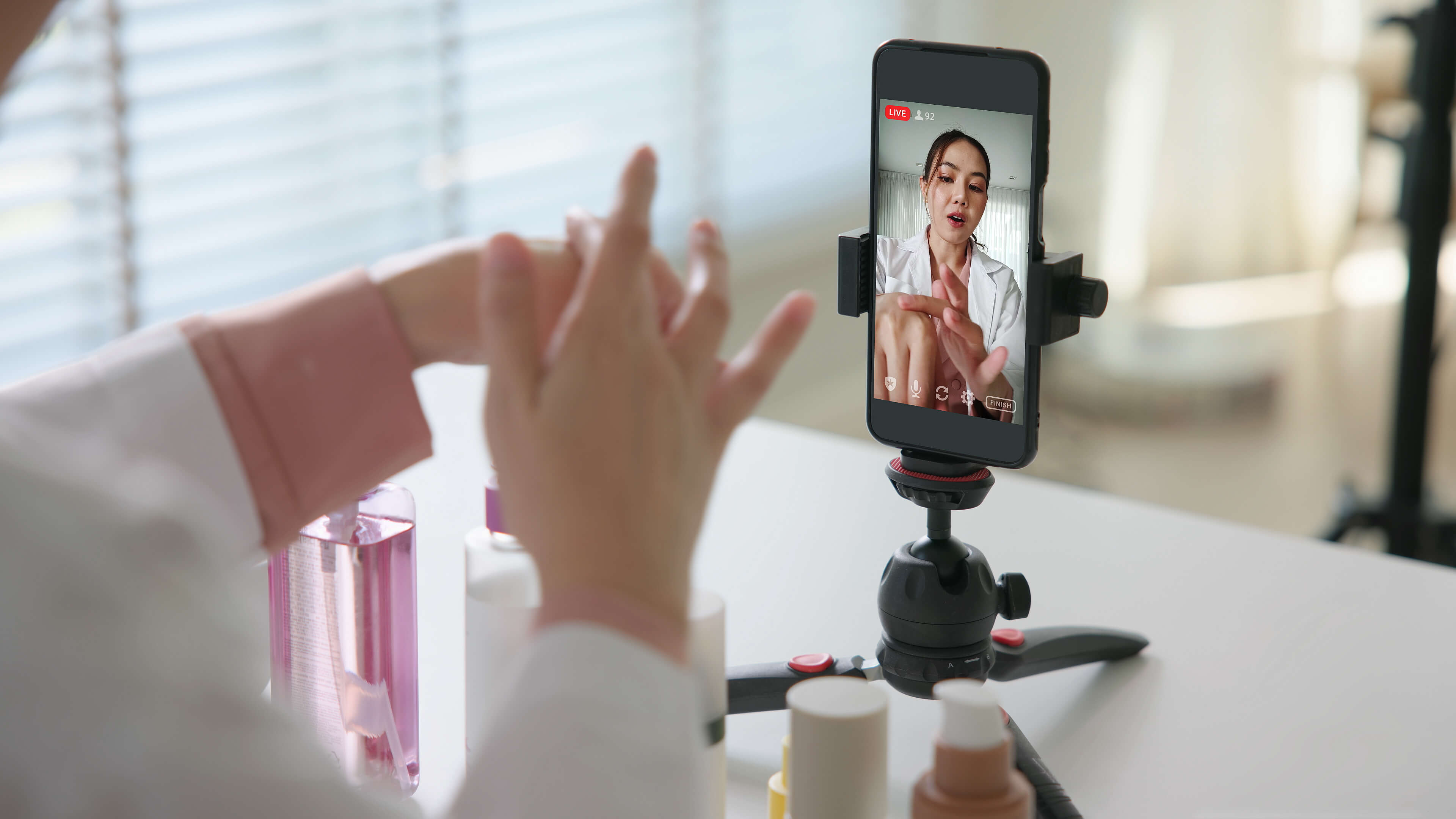
Social Media and Skin Health: The Need for Evidence-Based Dermatology
Only 4% to 15% of social media posts containing medical skin health information are created by physicians, according to a study presented at the Annual Meeting of the Austrian Society for Dermatology and Venereology (ÖGDV). Dr. Maximilian Lammer of the Medical University of Innsbruck reports that the majority of this content comes from influencers, laypeople, or industry sources, leading to a high prevalence of misinformation.
The research highlights a significant gap between where users seek skin health advice and where verified medical expertise exists. While roughly 60% of the German and Austrian populations use platforms like TikTok, Instagram, and Facebook, few of these users are encountering evidence-based medical guidance.
How much medical skin content is actually from doctors?
Dr. Lammer’s research indicates that a small fraction of medical skin content is authored by qualified doctors. In a specific analysis of YouTube content regarding atopic dermatitis, the researcher found that only 30% of the videos met medical standards.

The study warns that visual cues can be misleading. Dr. Lammer noted that individuals may dress like medical professionals without actually being physicians.
Who is consuming social media skin health advice?
A cross-sectional study conducted between October 2024 and January 2025 analyzed 454 adult social media users. The participants were predominantly young, with an average age of 24.8 years and 64% falling between the ages of 18 and 25.
Women represented 70% of the study group. These users reported more frequent use of skincare routines and a higher likelihood of undergoing aesthetic procedures compared to men.
Daily usage patterns also correlate with behavioral changes. While 44% of respondents spend two to four hours daily on social platforms, those with higher usage rates reported that social media more significantly influences their skincare behavior and health perceptions.
Why does the source of information matter?
The data shows that the source of the content directly impacts user action. Participants who encountered dermatological content from actual physicians implemented skincare routines significantly more often.
Despite this, 65% of respondents consume content from influencers, while only 40% follow accounts specifically run by dermatologists. This disconnect persists despite 70% of respondents stating they want more evidence-based content from medical professionals.
What happens next for dermatological care?
Dr. Lammer describes the current lack of physician-led content as a “call to action” for the medical community. He suggests that the current state of patient education must evolve to include social media.
Dermatologists may increasingly use algorithm-based platforms to distribute evidence-based information to a wider audience. This shift could potentially align modern patient care with the digital habits of younger populations.
Frequently Asked Questions
What percentage of skin health posts on social media are written by doctors?
According to Dr. Maximilian Lammer, only 4% to 15% of posts with medical content are produced by physicians.
Who is most likely to use social media for skin health information?
The data indicates that users who seek skin health, prevention, and care information are statistically significantly younger, with a high concentration of users between 18 and 25 years old.
Do users want more medical information on social media?
Yes, approximately 70% of the study participants explicitly expressed a desire for more evidence-based content from dermatologists on social platforms.
Do you check the medical credentials of the influencers you follow for skincare advice?