

Will the Island Become Asia’s Next Cybercrime Hub?
Southeast Asian islands and Special Economic Zones (SEZs) are transitioning from temporary hideouts into permanent cybercrime infrastructure, according to reports from the United Nations Office on Drugs and Crime (UNODC). These hubs combine human trafficking with industrial-scale “pig butchering” scams, creating a scalable financial fraud model that operates outside national jurisdictions.
Why are Southeast Asian islands becoming cybercrime hubs?
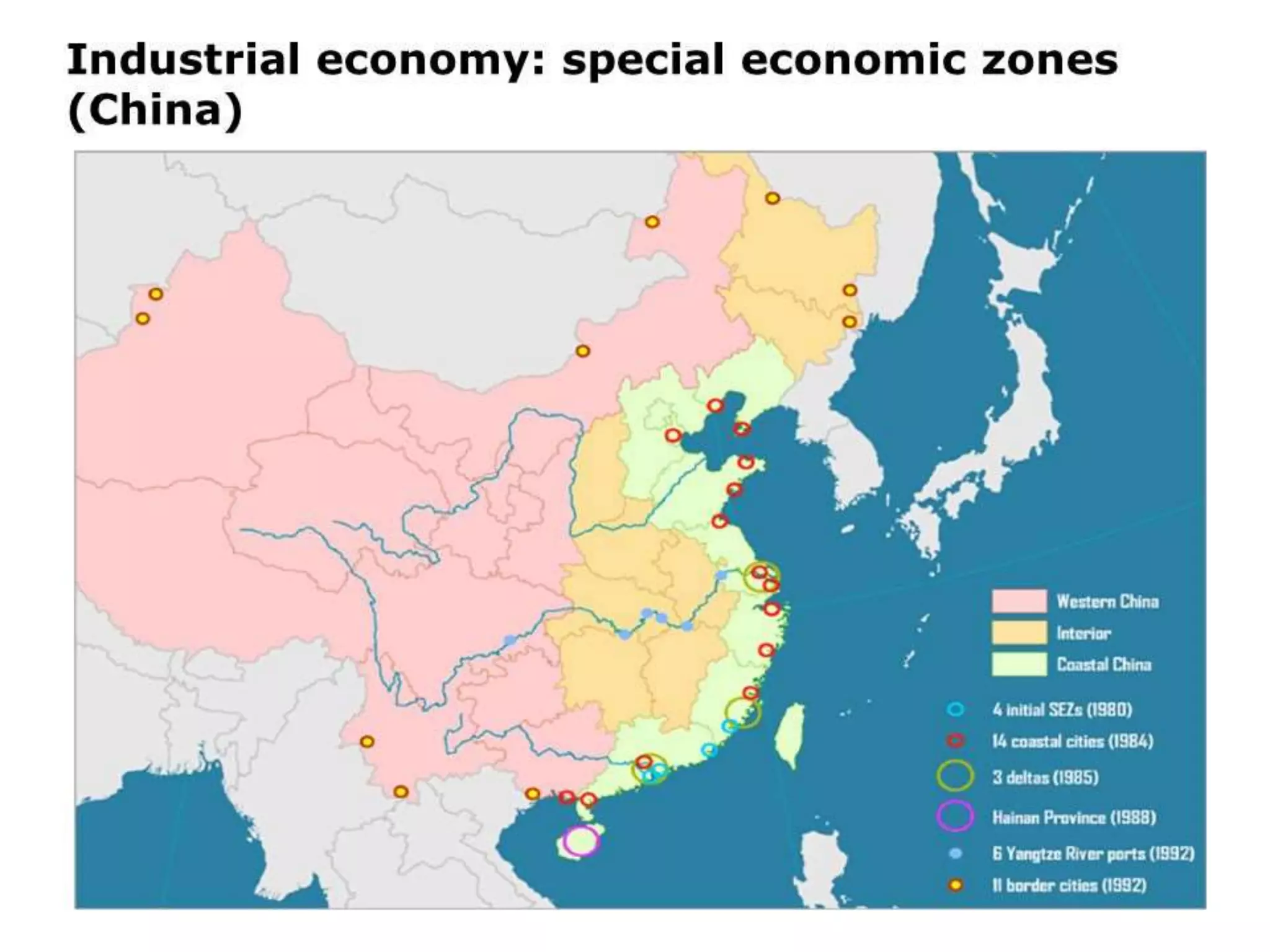
Lack of regulatory oversight in Special Economic Zones (SEZs) allows criminal syndicates to build physical compounds that function as corporate offices for fraud. The UNODC reports that these zones often operate with autonomy from central governments, making them ideal for “scam factories.”
These locations provide more than just a place to hide. They offer high-speed internet, secure housing for thousands of forced laborers, and a layer of political protection. According to Interpol, these hubs are no longer just groups of hackers in basements but are structured organizations with HR departments, training manuals, and quotas.
How do these “scam factories” operate?
The operational model relies on a supply chain of human trafficking. According to the UNODC, victims are lured with fake job advertisements for high-paying customer service roles in Asia. Once they arrive, passports are confiscated, and they are forced to conduct scams under threat of violence.

These operatives use encrypted messaging apps and social media to target victims globally. They employ psychological manipulation to move victims toward fake cryptocurrency trading platforms. Once the victim deposits funds, the “platform” shows fake gains to encourage larger investments before the scammers vanish.
This differs from traditional phishing. While phishing relies on volume and luck, these hubs use “social engineering” to build long-term relationships, increasing the average loss per victim from a few hundred dollars to millions.
Will these hubs remain temporary refuges or become permanent infrastructure?
The shift toward permanent infrastructure is evident in the investment in hardware and cryptocurrency laundering networks. According to Chainanalysis, the integration of “mixing” services and decentralized finance (DeFi) allows these hubs to move stolen assets across borders instantly, reducing the need for physical cash smuggling.
If these zones continue to operate without international intervention, they risk becoming the “bulletproof hosting” centers of the 21st century. This mirrors the precedent set by certain Eastern European jurisdictions in the 2000s, where data centers explicitly ignored legal requests to take down malicious content.
A comparison of current trends shows a move from fragmented cells to integrated ecosystems. Where early cybercrime relied on individual “hackers,” the current Asian model uses a corporate structure:
- The Investors: Provide capital for compounds and servers.
- The Managers: Oversee the “workers” and set daily targets.
- The Operatives: The trafficked individuals executing the scams.
- The Launders: Specialists who move crypto into fiat currency.
What are the consequences for global cybersecurity?
The industrialization of fraud increases the volume of attacks and the sophistication of the lures. Because these hubs operate in “lawless” zones, the risk of arrest is near zero for the organizers. This creates a high-reward, low-risk environment that attracts more criminal investment.
According to Interpol’s “Operation Storm Makers,” the coordination between regional police forces is increasing, but the speed of the syndicates’ movement often outpaces the law. When one compound is raided, the infrastructure—servers, laptops, and people—is often moved to a different island or SEZ within days.
This mobility suggests that unless the underlying legal loopholes in SEZs are closed, the infrastructure will simply migrate rather than disappear. This makes the threat an evergreen risk for cyber security trends and global financial stability.
Frequently Asked Questions
What is a “scam factory”?
A scam factory is a centralized physical compound, often in Southeast Asia, where trafficked individuals are forced to conduct large-scale online fraud, primarily targeting cryptocurrency investors.
How can I tell if I am being targeted by a “pig butchering” scam?
Common signs include a stranger contacting you via WhatsApp or Tinder, a rapid transition to discussing “investment opportunities,” and pressure to use a specific, unknown trading app.
Why can’t police just shut these hubs down?
Many hubs are located in Special Economic Zones or conflict regions where local law enforcement has limited authority or is compromised by the syndicates’ funding.
Which organizations are fighting these hubs?
The UNODC and Interpol lead international efforts to coordinate raids and track the financial flows used by these syndicates.
Join the conversation: Have you noticed an increase in sophisticated social engineering attempts? Share your experience in the comments below or subscribe to our newsletter for the latest updates on global cyber threats.