

South Korea and Canada Strengthen Energy Cooperation to Boost Crude Oil Imports
South Korea Expands Energy Import Diversity via Canada-Alberta Oil Deal

South Korea is aggressively diversifying its energy supply chain by increasing imports of Canadian crude oil, spurred by a new customs agreement that eliminates the 3% tariff on imports. According to the Korea Customs Service, Commissioner Lee Jong-wook and Alberta Minister of Energy and Minerals Brian Jean inspected the import process at the SK Innovation Ulsan Complex on June 19, 2026. This partnership has already resulted in the import of 600,000 barrels of Canadian crude under a 0% preferential tariff rate as of early June, with total projected imports for the first half of 2026 reaching 8.16 million barrels—a 1.7-fold increase over the entire volume recorded in 2025.
How Does the Tariff Elimination Affect Energy Costs?

The elimination of the 3% tariff on Canadian crude is a direct result of a “Simplified Origin Verification” agreement signed in April 2026. By streamlining the documentary requirements for Free Trade Agreement (FTA) eligibility, the Korea Customs Service has lowered the barrier to entry for Canadian energy exporters. According to the Korea Customs Service, this policy shift is designed to reduce the financial burden on domestic refiners, making Canadian oil a more price-competitive alternative to traditional sources. The move is central to Seoul’s strategy to reduce reliance on the Middle East, which currently accounts for more than 70% of South Korea’s total crude imports.
Why is the Ulsan Complex Critical to This Strategy?
The SK Innovation Ulsan Complex (CLX) serves as the primary hub for processing Canadian crude due to its specialized technical infrastructure. Unlike standard refineries, the Ulsan facility possesses the engineering capability to blend and process “dilbit”—the high-viscosity, high-sulfur heavy crude typically extracted from Alberta’s oil sands—with other oil grades. According to the Korea Customs Service, the facility’s ability to handle these complex grades ensures that the increased import volume is not just a short-term anomaly but a sustainable long-term supply chain integration.
Canadian heavy crude is often characterized by high viscosity, requiring specialized refinery configurations—like those at Ulsan CLX—to effectively “crack” the oil into gasoline, diesel, and other refined products.
What Are the Future Trends for Korea-Canada Energy Trade?
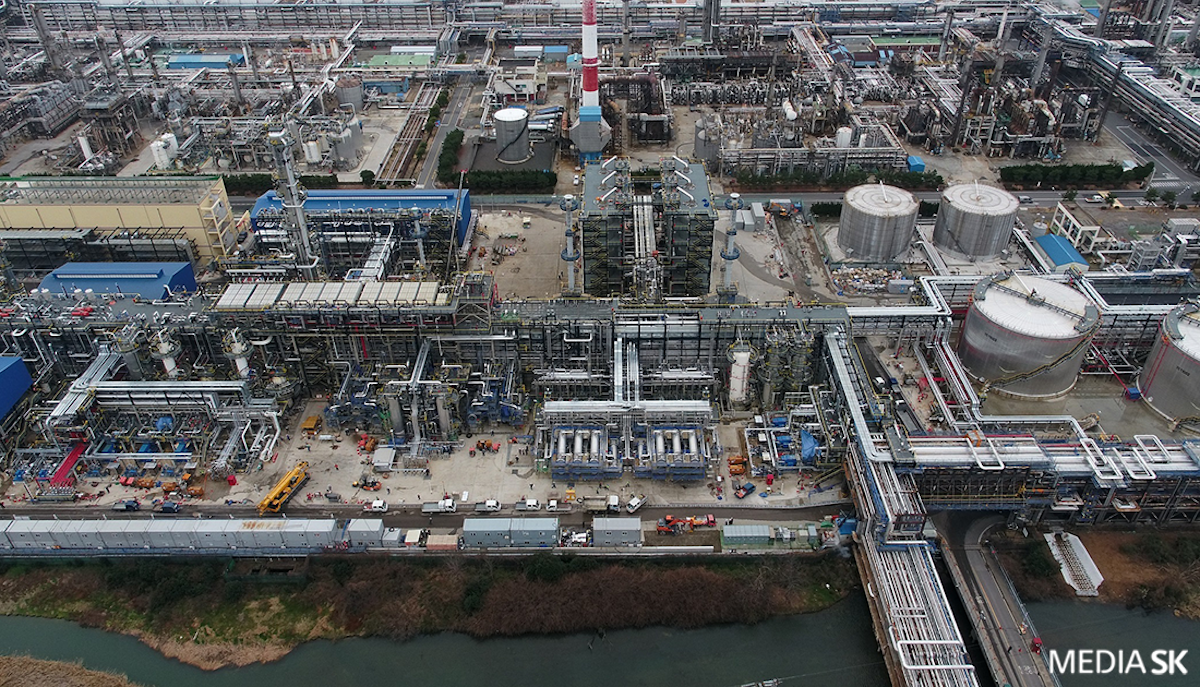
The partnership aims to move beyond simple spot-market transactions toward long-term, stable energy cooperation. Minister Brian Jean stated that Alberta oil exporters expect trade with South Korea to grow significantly following the tariff reduction. Both the Korea Customs Service and the Alberta Ministry of Energy are now reviewing potential facility upgrades to accommodate even larger volumes of Canadian crude in future years. Commissioner Lee Jong-wook emphasized that this initiative marks the beginning of a broader effort to secure South Korea’s energy independence by expanding the geographic footprint of its suppliers.
Frequently Asked Questions
Why is South Korea shifting away from Middle Eastern oil?
According to the Korea Customs Service, the country currently imports over 70% of its crude from the Middle East. Diversification is a strategic necessity to mitigate supply chain risks and price volatility.
What is the specific benefit of the new customs agreement?
The agreement simplifies the proof of origin process, allowing importers to bypass a 3% tariff on Canadian crude, effectively lowering the landed cost of the oil for South Korean refiners.
Is this import increase temporary?
No. Officials from both the Korea Customs Service and the Alberta government indicated that they are evaluating infrastructure expansions at the Ulsan Complex to support long-term, sustained growth in import volumes.
For investors and energy analysts, monitoring the trade volumes between the Ulsan terminal and Alberta’s export hubs provides a clear indicator of how effectively South Korea is meeting its energy security goals.
Are you interested in how international trade policy impacts global energy markets? Subscribe to our weekly newsletter for updates on regional energy security and customs developments.