

South Korean Stocks Rebound Amid AI Spending Concerns and Oil Price Slump
South Korean stocks rose more than 3% Wednesday as investors recovered from a 10% collapse in the Kospi on Tuesday. According to market reports, the volatility stems from growing concerns over AI valuations and a hawkish pivot by the US Federal Reserve regarding interest rates.
Why did South Korean stocks recover after the AI rout?
The Kospi closed up 3.3% at 8,471.02 on Wednesday. This bounce follows a violent session on Tuesday where the index plummeted 10%, driven by 12% losses in chip giants Samsung and SK Hynix.

Stephen Innes of SPI Asset Management described Tuesday’s crash as a reminder that the AI market had become a “crowded expression of over-leverage.” However, Innes noted that the fundamental case for these firms remains intact because memory chips are a critical bottleneck in the global AI buildout.
Will the AI spending boom continue?
Investors are questioning when the trillions spent on artificial intelligence will yield actual returns. Christoffer Enemaerke of RBC BlueBay Asset Management stated the debate has shifted from whether AI is a real theme to whether the scale of investment will generate expected returns.
This uncertainty has created a divide between market regions. While Wall Street has seen gains from downstream software firms, hardware makers in Seoul, Tokyo, and Taipei have led the rally this year. The Nasdaq recently lost 2% as these valuation concerns spread.
The prospect of a US interest rate hike, following the Federal Reserve’s hawkish pivot last week, has added further pressure to these high-valuation tech stocks. Federal Reserve policy changes directly impact the cost of capital for the massive infrastructure required for AI.
How is the Strait of Hormuz affecting oil prices?
Oil prices declined Wednesday, with West Texas Intermediate falling 0.9% to $72.56 and Brent North Sea Crude dropping 1.0% to $76.31. This trend follows optimism over a potential deal to end the conflict in Iran.

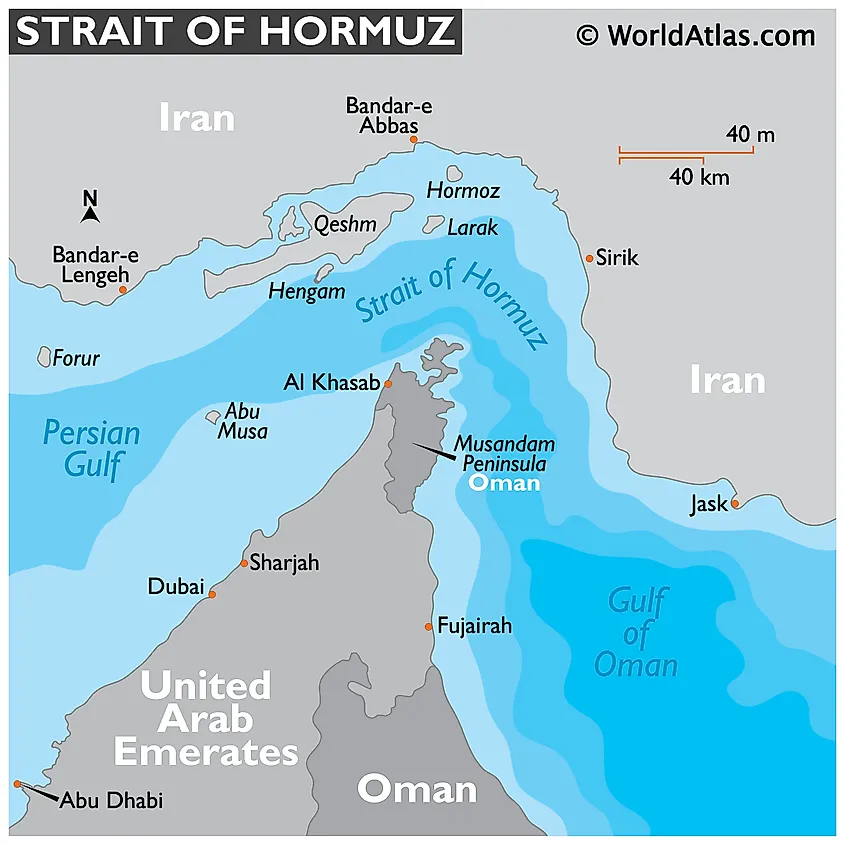
Maritime tracking platforms reported that traffic through the Strait of Hormuz reached its highest level since the war began on Monday. Despite this, diplomatic friction remains. US Secretary of State Marco Rubio stated Washington will not accept Iranian tolls or fees on the international waterway.
In contrast, Iran and Oman issued a joint statement saying they would study the administration of the trade route and associated costs. Mohammad Bagher Ghalibaf, Tehran’s top negotiator, asserted that the strait “will never return” to the pre-war status quo.
Which Asian markets are facing the most volatility?
While Seoul, Hong Kong, and Shanghai saw gains, other regional hubs struggled. The Nikkei 225 fell 0.9% to 69,174.97, and markets in Taipei, Manila, and Jakarta also declined.
Jakarta’s index shed 2% specifically because MSCI delayed a decision on whether to downgrade the Indonesian market. MSCI cited concerns regarding “opacity in shareholding structures” as the reason for the delay.
| Market/Asset | Movement | Closing Value |
|---|---|---|
| Seoul (Kospi) | UP 3.3% | 8,471.02 |
| Tokyo (Nikkei 225) | DOWN 0.9% | 69,174.97 |
| WTI Crude | DOWN 0.9% | $72.56 |
| Jakarta | DOWN 2% | N/A |
Frequently Asked Questions
What caused the sudden drop in South Korean tech stocks?
Analysts point to concerns over the extended valuations of AI firms and questions regarding when trillion-dollar investments in AI will produce returns.
Why is the US Secretary of State concerned about the Strait of Hormuz?
Secretary Marco Rubio maintains that the strait is an international waterway and that no country, including Iran, is permitted to charge tolls or fees for its use.
How does the Federal Reserve affect AI stocks?
A “hawkish pivot” suggests higher interest rates, which increases borrowing costs for tech companies and often leads investors to discount the future earnings of growth stocks.
Do you think the AI hardware rally is a bubble or a structural shift in the economy?