
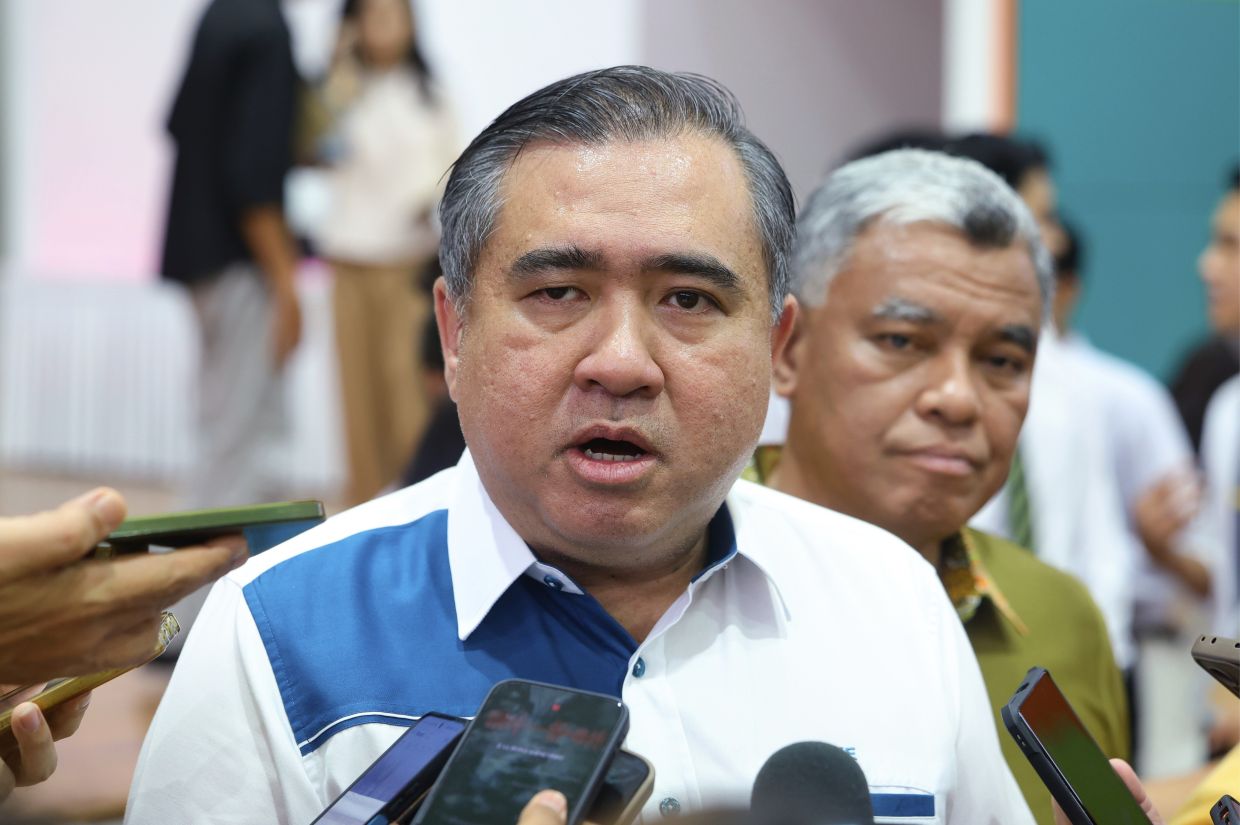
Southern shuttle service uses diesel trains temporarily until new EMU trains arrive, says Loke
The Southern Shuttle service in Johor now utilizes diesel trains as an interim solution to improve regional mobility while awaiting the arrival of new Electric Multiple Unit (EMU) train sets. Transport Minister Anthony Loke stated that the deployment prioritizes immediate public access over waiting two to three years for electrified infrastructure, according to a report by Bernama.
Why is the Southern Shuttle using diesel trains?
The decision to deploy diesel-powered trains serves as a stopgap measure to provide immediate connectivity for commuters in Johor. According to Transport Minister Anthony Loke, the government faced a choice between waiting several years for the delivery of 10 new EMU train sets or utilizing available rolling stock to launch the service sooner. By choosing the latter, the Ministry of Transport aims to reduce wait times for passengers traveling between Kulai, JB Sentral, and Pasir Gudang.
The Kempas Baru-Pasir Gudang route, which was previously restricted exclusively to freight logistics, has been opened to passenger transit for the first time as part of this service expansion.
What happens when the electrified double-tracking project finishes?
Diesel trains will be phased out of the Southern Shuttle network once the Gemas-Johor Bahru electrified double-tracking project reaches completion, as noted by Anthony Loke. Upon the project’s conclusion, the route will transition to the Electric Train Service (ETS). This shift is expected to enhance both speed and comfort for passengers, moving away from the interim diesel-powered equipment currently drawing criticism regarding fare structures.
How does the current service perform?
The shuttle currently offers specific travel times designed to alleviate road congestion in the Johor region. According to official data, the journey from Kulai to JB Sentral takes approximately 40 minutes, while the transit between Kempas Baru and Pasir Gudang ranges from 40 to 45 minutes. While the service provides a faster alternative to road travel, it has faced public pushback. Some critics have pointed to the use of older diesel technology and noted that ticket prices are significantly higher than comparable commuter services in Kuala Lumpur and Seremban.
Comparison of Commuter Service Contexts
| Feature | Southern Shuttle (Interim) | Future ETS Route |
|---|---|---|
| Power Source | Diesel | Electric |
| Status | Temporary | Planned Upgrade |
Check official Keretapi Tanah Melayu Berhad (KTMB) schedules regularly, as interim services may undergo adjustments before the full transition to electrified tracks.
Frequently Asked Questions
Will the diesel trains remain in use long-term?
No. According to Transport Minister Anthony Loke, the diesel trains are a temporary measure and will be replaced by Electric Train Service (ETS) once the Gemas-Johor Bahru double-tracking project is finished.
Why are the fares for the Southern Shuttle considered high?
Some critics have reported that the current fare structure is three times higher than rates found in the Kuala Lumpur and Seremban regions, though the Ministry of Transport maintains that the service provides a necessary, faster travel option for Johor residents.
Which stations are currently served?
The service connects Kulai, JB Sentral, and Pasir Gudang, with the latter being newly opened to passenger rail traffic.
Have you experienced the Southern Shuttle service firsthand? Share your thoughts on the transit experience or subscribe to our newsletter for the latest updates on regional infrastructure developments.