

Southwest Airlines Bans Humanoid Robots Over Battery Safety Concerns
The New Sky-High Barrier: Why Airlines Are Grounding Humanoid Robots
The sight of a humanoid robot sitting in a standard economy seat might have felt like a glimpse into a futuristic sci-fi movie, but for Southwest Airlines, it recently became a logistical and safety headache. As robotics technology advances, we are seeing more “passengers” that are made of metal, sensors, and—crucially—high-capacity lithium-ion batteries.
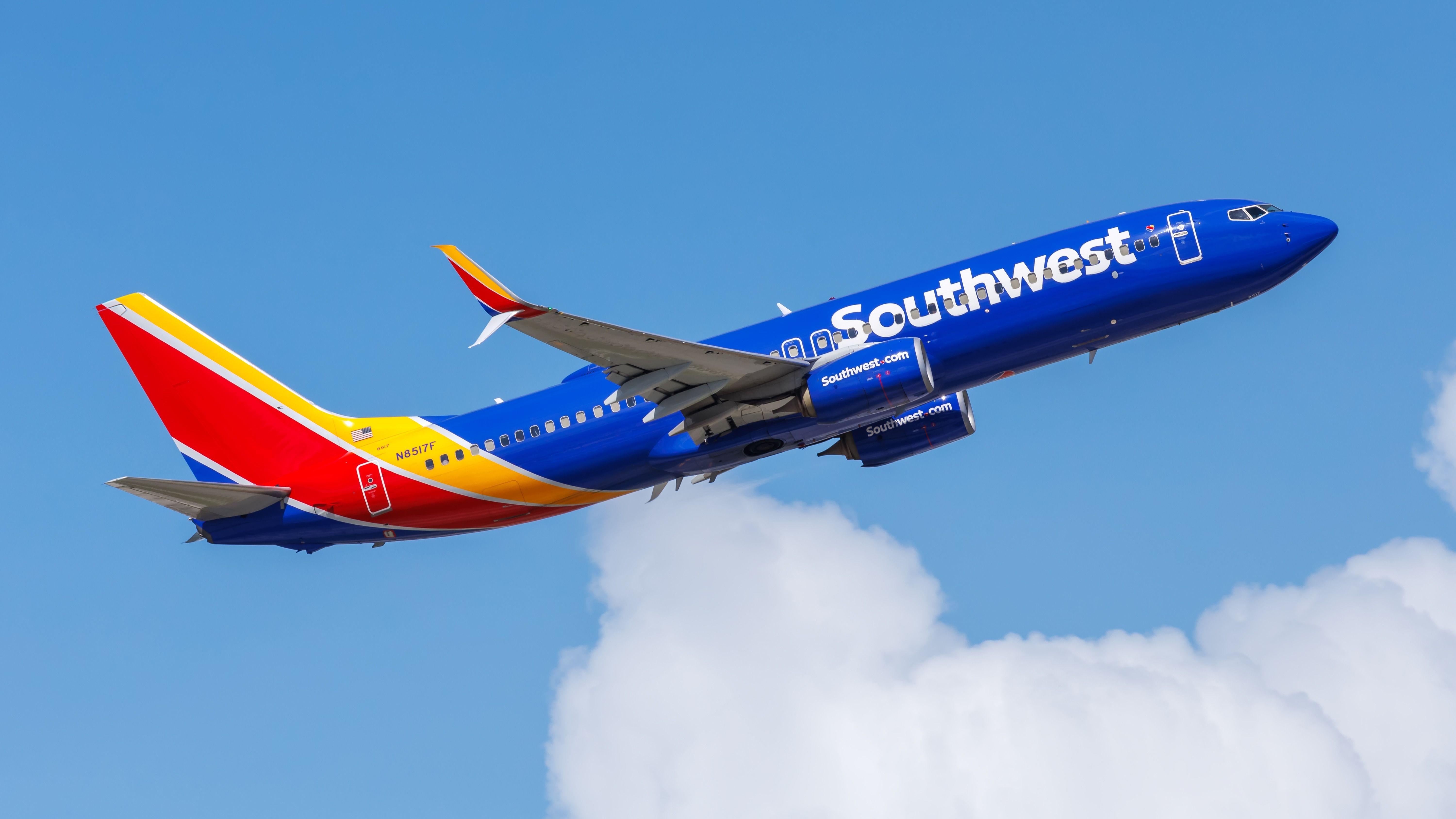
Following a series of viral flights that sparked public debate, Southwest has officially prohibited human-like and animal-like robots from both cabins and checked baggage. This policy shift highlights a growing tension between the rapid evolution of consumer robotics and the rigid safety protocols of commercial aviation.
The Hidden Hazard: Lithium-Ion Battery Safety
At the heart of the ban isn’t the robot’s appearance, but its power source. Lithium-ion batteries have long been a point of contention in aviation. Because these batteries can potentially experience thermal runaway—a process where they overheat and can catch fire—airlines have implemented increasingly strict regulations regarding how they are transported.
Unlike a smartphone or a laptop, which have standardized, regulated battery capacities, humanoid robots often house large, custom, or high-density battery packs. According to industry reports, these units pose a significantly higher risk in a pressurized cabin environment where fire suppression is limited.
The Future of Robotics and Air Travel
Does this ban signal the end of robots in the sky? Far from it. Instead, it signals a transition toward specialized logistics. As robotics startups continue to grow, the industry will likely shift toward dedicated cargo solutions rather than treating robots as “passengers.”
We are likely to see:
- Standardized Certification: Robotics manufacturers may soon need to certify their battery systems to meet specific aviation safety standards, similar to how medical equipment is vetted for flight.
- Design Evolution: Future robotic designs may prioritize modular batteries that can be easily removed and carried in carry-on luggage, while the chassis travels as standard freight.
- Specialized Cargo Services: Airlines may create “tech-freight” tiers, allowing companies to ship sensitive robotic hardware under controlled conditions rather than as personal luggage.
Did you know? While the “humanoid” aspect of these robots made headlines, the restriction applies to any device that mimics human or animal movement, regardless of size. This is a preventative measure to ensure that cabin crew aren’t forced to evaluate the safety of every unique piece of hardware at the gate.
Frequently Asked Questions
- Can I still bring my drone or small robot toy on a Southwest flight?
- The policy specifically targets humanoid or animal-like robots. Standard consumer electronics, such as small drones or toys, are generally permitted, provided their batteries comply with existing lithium-ion regulations.
- Why was this policy changed now?
- The airline noted that the policy update is rooted in ongoing safety assessments regarding lithium-ion batteries. While viral incidents brought attention to the issue, it is part of a broader industry-wide push to mitigate fire risks in the air.
- Will other airlines follow suit?
- Aviation safety policies often move in tandem. As the prevalence of complex robotic hardware increases, it is highly likely that other major carriers will adopt similar, if not identical, restrictions to maintain consistent safety standards.
Join the Conversation
As we navigate this intersection of AI, robotics and travel, one thing is clear: our rules must evolve as fast as our inventions. Do you think airlines should create a “robot-friendly” cargo class, or is the safety risk simply too high to justify the convenience?
Share your thoughts in the comments below, or subscribe to our tech-trends newsletter to stay updated on how the future of travel is changing.