
Species diversity and geographical distribution of ticks infesting domestic animals in Bagmati Province, Nepal
Researchers Thapa et al. (2026) found that tick diversity and abundance in Nepal’s Bagmati Province are highest in the warm tropical Terai region, specifically Chitwan. The study identified four genera of hard ticks across 210 domestic animals, noting that Rhipicephalus (Boophilus) microplus is the most prevalent species at 30.42%.
Why is tick diversity higher in the Terai region?
The Terai region, particularly Chitwan, accounts for 90.72% of the ticks observed in the study. This area’s subtropical to tropical climate—with temperatures between 10°C and 38°C and humidity levels of 75–80%—creates an ideal environment for these parasites.
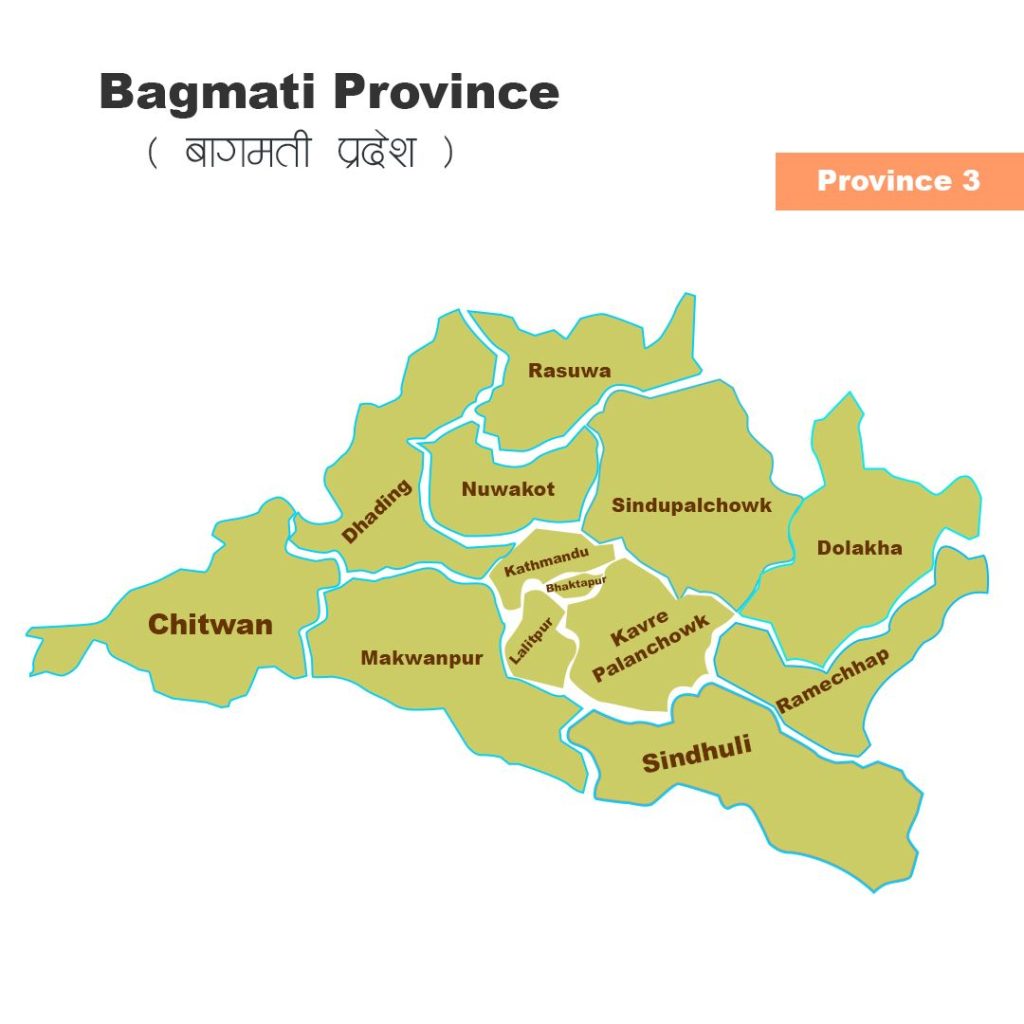
In contrast, the mid-hill region of Kathmandu and the high-hill region of Rasuwa showed significantly lower abundance. Rasuwa, which ranges from subtropical to alpine climates, recorded only 2.72% of the total ticks collected.
Which animals are most at risk in Bagmati Province?
Small ruminants, including sheep and goats, showed the greatest species diversity of ticks. Among dogs, Rhipicephalus sanguineus was the dominant species, appearing in 76.6% of the canine samples.
Large ruminants like cattle and buffaloes were primarily infested by Rhipicephalus microplus. The study noted that buffaloes and dogs showed high levels of infestation, while cattle, sheep, and goats generally had moderate levels.
What are the economic and health consequences?
Ticks cause severe economic damage in Nepal, with losses reported at 18.71% of the total livestock production cost. These losses stem from direct treatment costs and indirect hits to growth, milk production, and reproduction.
For humans, these parasites act as vectors for a wide range of diseases. According to the study, ticks can transmit Lyme disease, ehrlichiosis, babesiosis, Rocky Mountain fever, and tick encephalitis.
What happens next for tick control in Nepal?
Researchers suggest that a possible next step involves moving beyond morphological identification to molecular identification. This could help identify cryptic species or those that are too engorged to be classified by sight.
Long-term ecological studies may be necessary to predict how climate change affects tick distribution. Experts believe the implementation of integrated tick management strategies is likely the only way to safeguard public and animal health in high-diversity areas like Chitwan.
Frequently Asked Questions
Which tick species was the most abundant in the study?
Rhipicephalus (Boophilus) microplus was the most abundant, representing 30.42% of the ticks collected.
Which region of Bagmati Province had the highest tick richness?
The Terai region had the highest richness with 9 species identified, followed by the mid-hill and high-hill regions.
What is the reported economic impact of ticks on livestock in Nepal?
The economic loss due to ticks and tick-borne diseases was reported to be 18.71% of the total livestock production cost.
Do you think stricter health monitoring for stray animals could significantly reduce the risk of zoonotic diseases in urban areas?