

Spencer Strider’s Evolving Pitch Mix Signals a Successful Braves Comeback
Spencer Strider’s return to the mound this May has been defined by a clear, uncompromising mindset. After making his 2026 debut in Colorado following a left oblique muscle strain, the 2023 All-Star walked a career-high five batters and allowed three runs. His assessment of that outing was blunt: “I don’t want a participation trophy,” Strider stated.
Despite that rocky start, the right-hander has since demonstrated a significant turnaround, pitching with the intensity of a player who has something to prove. Over his last 17 2/3 innings, Strider has posted a 2.04 ERA and a 0.85 WHIP, striking out 21 batters while walking seven. This stretch suggests that the Braves, who have navigated abeleaguered rotation to secure the best record in the Majors, may be seeing the start of a meaningful resurgence from their star pitcher.
An Evolving Arsenal
Strider is no longer the pitcher who relied almost exclusively on a high-velocity four-seam fastball. While he once utilized the heater 58.9% of the time, he is now throwing it less than half the time (48.3%) at a career-low average velocity of 95.3 mph. This shift acknowledges the reality of his post-surgery career and his need to manage the control issues that surfaced in 2025.
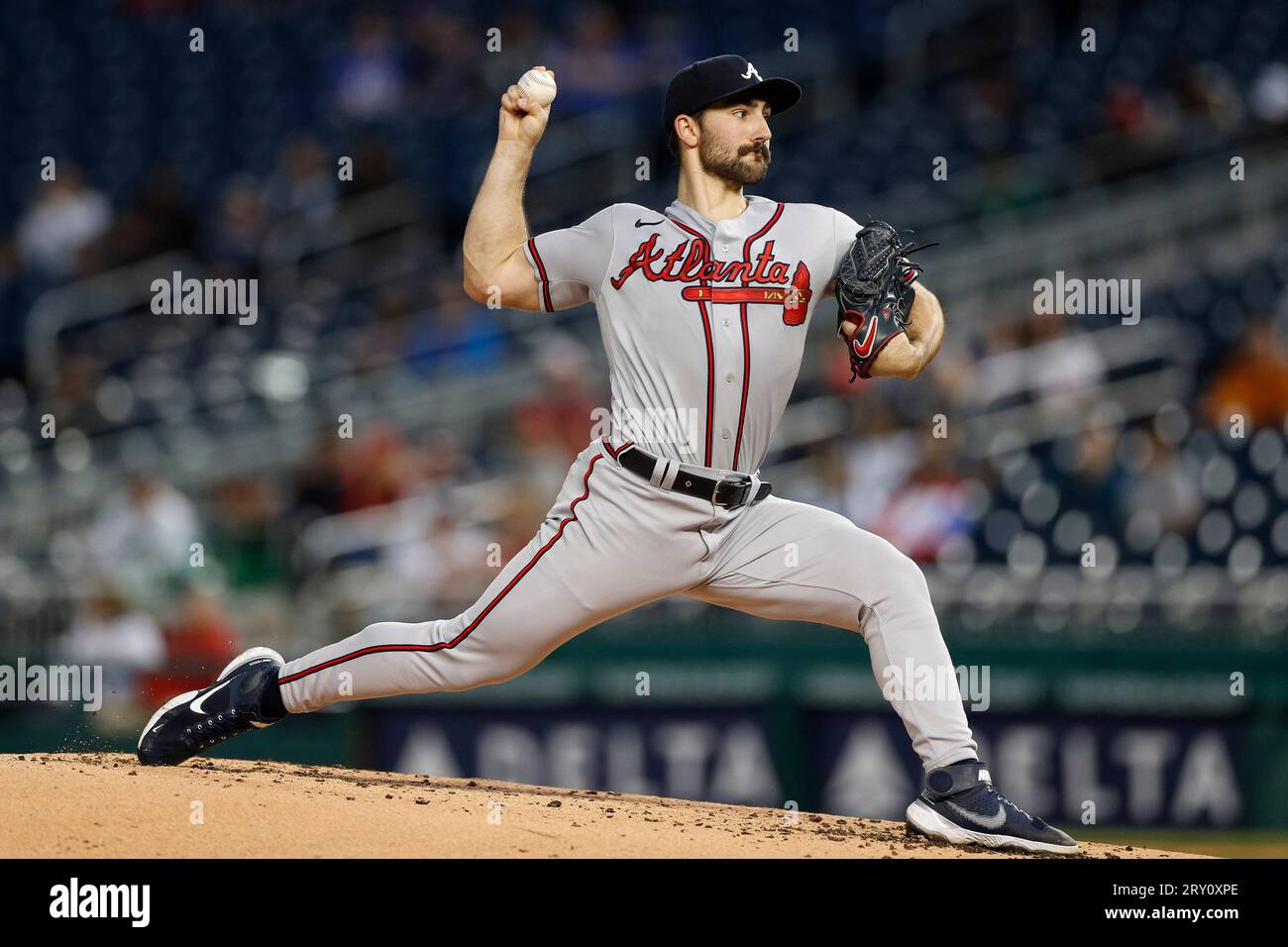
In place of his past reliance on pure heat, Strider is leaning into his tertiary pitches. His changeup has been particularly effective, boasting a 69.2% whiff rate without allowing a single hit across 31 pitches. Alongside an increasingly utilized curveball, these tools are forcing opposing hitters to respect a more diverse repertoire throughout every at-bat.
Looking Ahead
As Strider prepares for his fifth start of the month at Fenway Park, the Braves’ organization remains optimistic that his evolution will bolster their pitching staff. His ability to induce chases is trending toward his peak years, with his current 29.4% chase rate nearing the 30% mark he hit during his dominant 2023 season.
If Strider continues to successfully utilize his off-speed offerings to complement his slider, he may stabilize his command and reduce the walk totals that have persisted in his first four starts. Analysts expect that continued success with his back-foot breaking balls could force opposing teams to adjust their lineup strategies, potentially creating a more sustainable path for his season.
Frequently Asked Questions
How has Spencer Strider’s pitch usage changed in 2026?
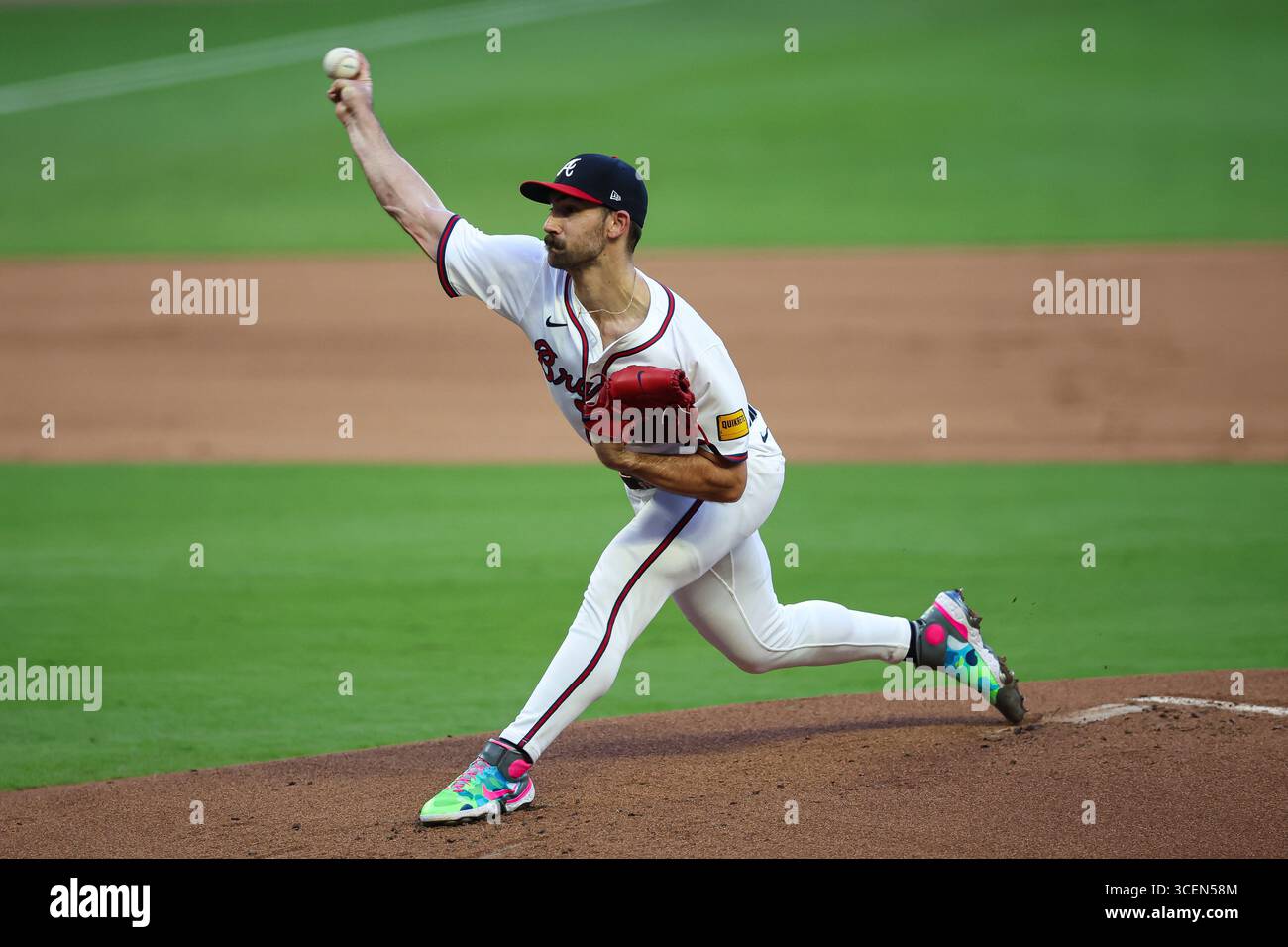
Strider is throwing his four-seam fastball less than 50% of the time, the lowest mark of his career, while increasing the usage of his changeup and curveball compared to his 2025 arsenal.
What is the most effective part of Strider’s approach against left-handed batters?
Strider has been pounding pitches into the lower quadrant closest to the left-handed batter’s box. This strategy has produced a 70% whiff rate and resulted in eight strikeouts.
Has Strider’s signature slider remained effective?
Yes, despite a drop in vertical break and velocity compared to previous years, hitters are batting just .067 against the pitch, which maintains a 48.8% whiff rate.
How do you think a pitcher’s evolution in style changes the way opposing managers prepare for a series?