

Stabbing suspect appears in court after riots in Northern Ireland
A stabbing attack in Belfast by Sudanese national Hadi Alodid has sparked widespread anti-immigrant violence and arson, according to the Police Service of Northern Ireland (PSNI). The incident, which left Stephen Ogilvie seriously injured, led to coordinated protests and calls from some politicians to review the open border between Northern Ireland and the Republic of Ireland.
How does social media accelerate street violence in Northern Ireland?
Digital platforms are now primary drivers of rapid mobilization for far-right activists. In the June 10, 2026, unrest, video footage of the stabbing attack spread quickly across social media, which police and officials say was then seized upon by agitators to incite riots. Northern Ireland Justice Minister Naomi Long told the BBC that social media agitators, some of whom “would have struggled to find Belfast on a map,” weaponized local fears to drive people from their homes.
This pattern shows a shift from local grievances to digitally coordinated unrest. Masked men targeted homes they believed housed immigrants, burning trash bins and a Belfast bus. Chief Constable Jon Boutcher confirmed that families, including one with a baby, had to be rescued and taken to police stations for safety.
Why is the Irish border becoming a political flashpoint?
The arrival of Hadi Alodid in Northern Ireland via the Republic of Ireland in 2023 has reignited debates over border security. Alodid, who was granted a five-year permit to remain after applying for asylum, entered the region through the open border. Some politicians are now using this case to argue for a review of border controls.
However, this proposal clashes with the fragile peace process. First Minister Michelle O’Neill of Sinn Féin characterized the subsequent riots as “thuggery” and “disgusting cowardice.” Deputy First Minister Emma Little-Pengelly of the DUP added that targeting innocent people based on the “evil actions of a person” is “utterly wrong.”
What connects the Belfast unrest to the Southampton murder?
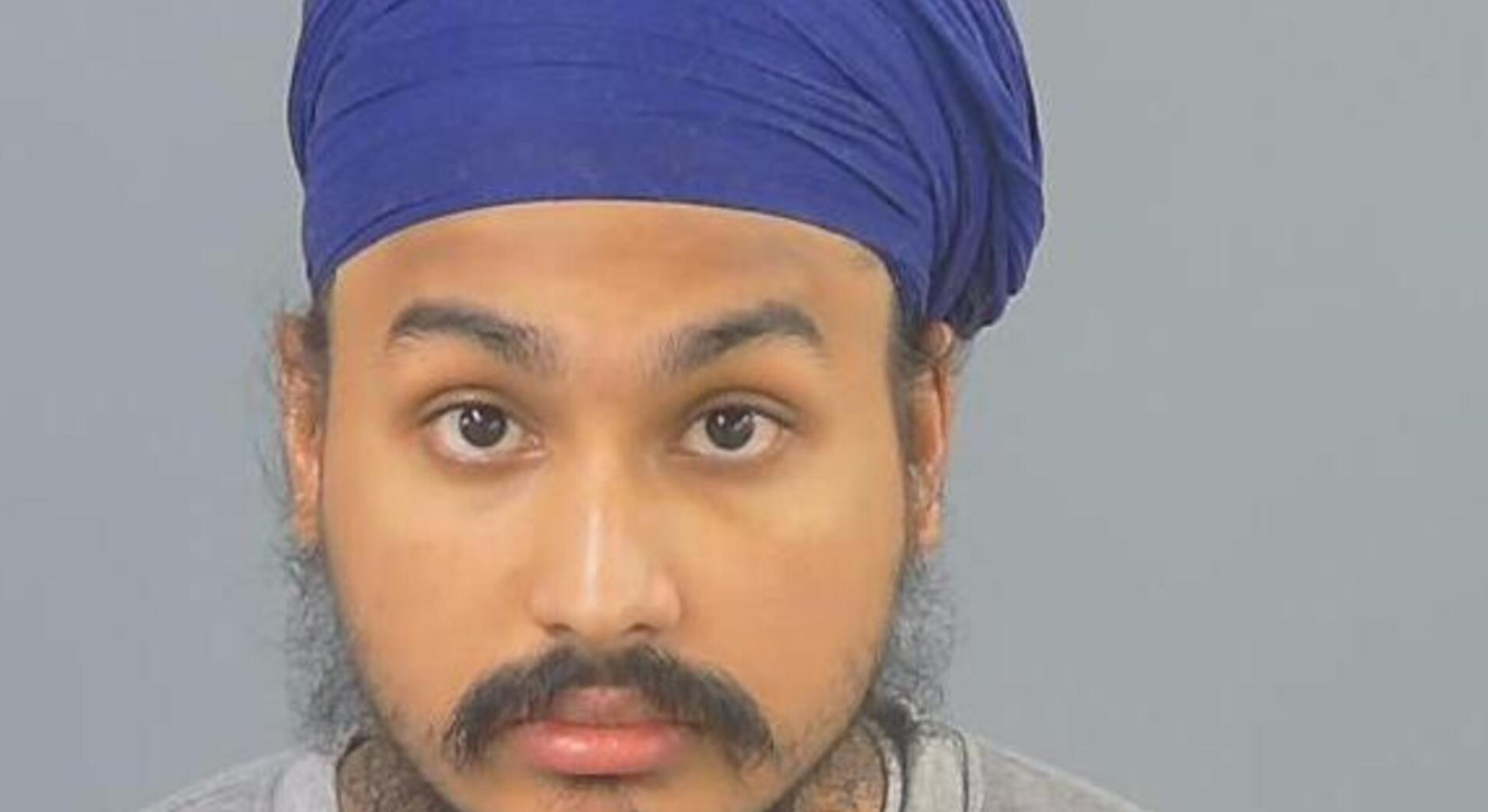
The violence in Belfast follows a similar trajectory to a recent case in Southampton, England. In December, a white university student named Henry Nowak was stabbed to death by Vickrum Digwa, a Sikh man. According to court records, Digwa falsely claimed he was the victim of a racist assault before being convicted of murder and sentenced to life in prison with a minimum 21-year term.
Both incidents were utilized by far-right activists to frame individual criminal acts as systemic immigration failures. In the Southampton case, US Vice President JD Vance blamed immigration for the violence. In Belfast, the PSNI stated there is no evidence the stabbing was terrorism-related, yet the event was used to justify attacks on ethnic minority communities.
| Detail | Belfast Incident (June 2026) | Southampton Incident (Dec) |
|---|---|---|
| Perpetrator | Hadi Alodid (Sudanese) | Vickrum Digwa (Sikh) |
| Victim | Stephen Ogilvie (Injured) | Henry Nowak (Deceased) |
| Social Outcome | Arson, riots, border debates | Violent protests, political commentary |
How are communities responding to the rise in targeted violence?
The response has been split between fear and appeals for unity. Anselme Shima, a resident originally from Congo, told reporters he felt scared and wondered if he was “next” after seeing vehicles burn near his home. Conversely, the family of victim Stephen Ogilvie issued a statement urging an end to the violence, asserting that migrants “make a deeply valuable contribution to our country.”
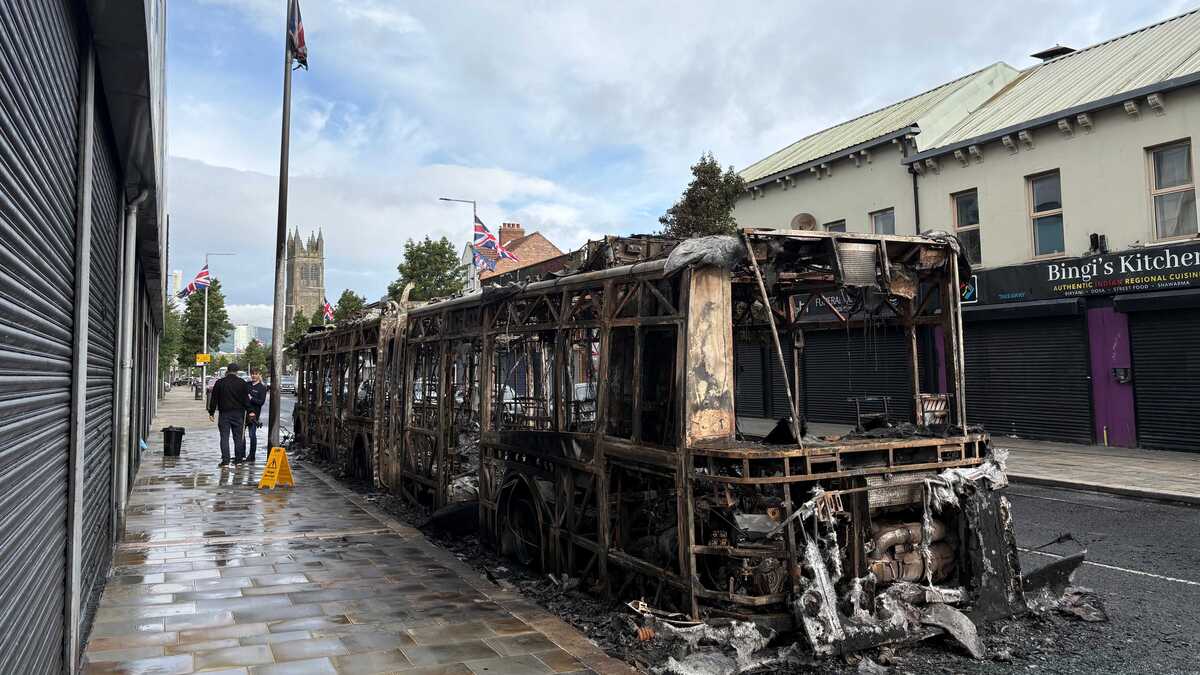
Prime Minister Keir Starmer condemned both the stabbing and the subsequent riots. On X, Starmer described the scenes in Belfast as “shocking and completely unacceptable,” stating there is no justification for disorder that threatens communities.
Frequently Asked Questions
Who is Hadi Alodid?
Hadi Alodid is a 30-year-old Sudanese national charged with attempted murder and possession of a knife following a stabbing attack in Belfast.
What happened to Stephen Ogilvie?
Ogilvie, a man in his 40s, was hospitalized with deep cuts to his head, face, and back, and was blinded in his left eye.
Why were there protests in Belfast?
Far-right activists and social media agitators used the stabbing incident to trigger anti-immigrant violence and protests across several parts of Northern Ireland.
Is the attack linked to terrorism?
No. The Police Service of Northern Ireland (PSNI) stated there is no information to suggest the attack was terrorism-related.
What do you think about the balance between border security and peace accords? Share your thoughts in the comments below or subscribe to our newsletter for more deep-dives into regional security.