
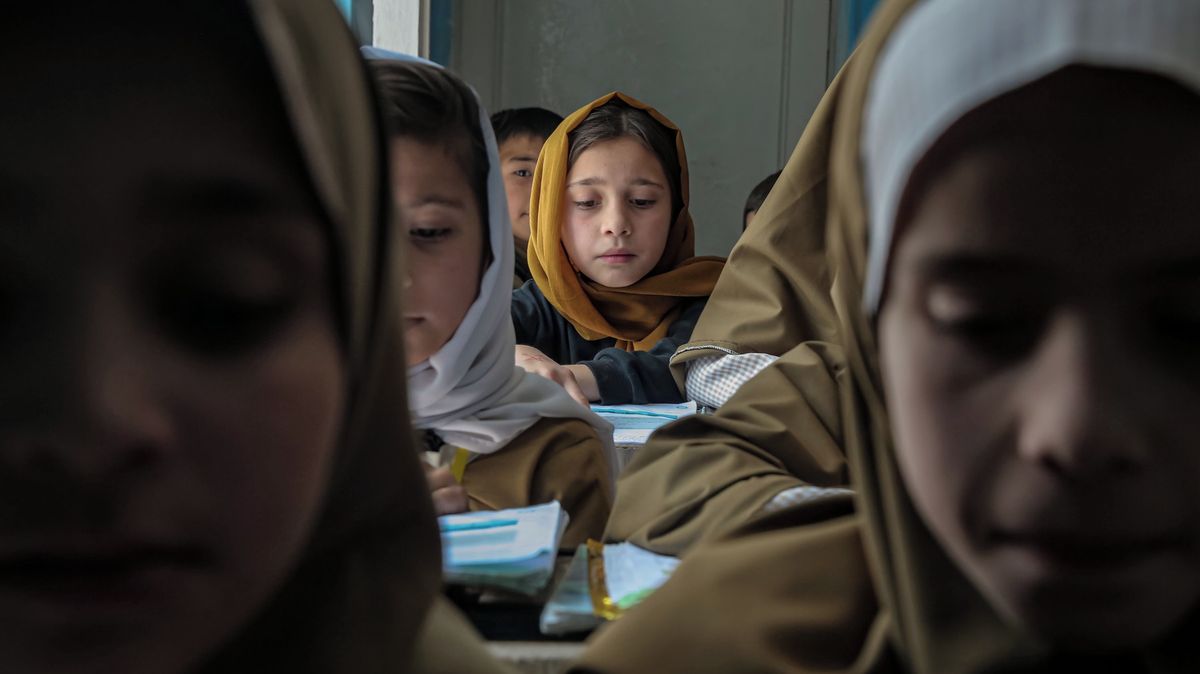
Stolen Futures: How Taliban Bans Push Afghan Girls into Forced Marriages
The Stolen Future: How Afghanistan’s Education Ban is Reshaping a Generation
For millions of Afghan girls, the classroom door didn’t just close—it locked them into a reality they never chose. Since the return of the Taliban, the systematic exclusion of girls from secondary education has triggered a domino effect, stripping away their autonomy, career aspirations, and basic human rights. As the window for formal schooling shrinks, a grim trend is emerging: the commodification of young women through forced and child marriage.
The Digital Resistance: Learning in the Shadows
Despite the crushing weight of restrictions, the spirit of Afghan women remains unbroken. Many are turning to the digital frontier as their last lifeline. Online education, once a niche alternative, has become a clandestine mode of survival.
However, this “digital classroom” faces severe infrastructure hurdles. With 97% of the population living in poverty, access to reliable electricity and high-speed internet is a luxury few can afford. Even those who manage to get online face a hostile environment where authorities increasingly target internet infrastructure under the guise of “preventing immorality.”
According to data from Ookla, Afghanistan ranks among the lowest globally for both mobile and fixed-line internet speeds, creating a massive technical barrier for students attempting to bypass physical school closures.
The Rise of Forced Marriages: A Consequence of Silence
Without the protection of school attendance, the pressure to marry is becoming an existential threat. Activists estimate that in some regions, the rate of child marriage has soared to 70%, with the vast majority of these girls being under the age of 18. This is not merely a social trend; This proves a systemic erasure of potential.
The legal landscape has shifted to support this, with new regulations often stripping women of the right to divorce, even in cases of abuse. For young women like 19-year-old Ália, who risked everything to travel to Kabul for English lessons, the stakes are life and death. For many, marriage is no longer a choice—it is a survival mechanism enforced by families fearing social stigma or government retribution.
The Human Cost of the 2030 Horizon
If current policies remain in place until the projected 2030 deadline, the UN warns that over two million girls will be permanently deprived of secondary education. This will create a “lost generation” in a country that already struggles with some of the lowest female literacy rates in the world.
When tracking global human rights, look beyond the headlines. Focus on the legal mechanisms—such as changes to marriage and divorce laws—that institutionalize discrimination, as these are often more permanent and damaging than temporary decrees.
Frequently Asked Questions (FAQ)
- Why are girls in Afghanistan being forced into marriage?
- With schools closed and employment opportunities restricted, many families see marriage as the only way to provide for their daughters or protect them from potential harassment by authorities.
- Is online learning a viable solution for Afghan girls?
- While it provides a vital link to the outside world, it is hampered by extreme poverty, erratic electricity, and intentional government shutdowns of internet services.
- How can the international community help?
- Advocacy, supporting underground educational networks, and pressuring for legal protections remain the most significant ways to keep the issue on the global agenda.
Looking Ahead: Will the Cycle Break?
The resilience of Afghan women, who continue to fight for their right to learn, is a testament to the enduring power of education. While the immediate future looks bleak, the clandestine efforts of these students and the global attention on their plight remain the only hope for change.
What do you think is the most effective way to support education for girls in restrictive regimes? Share your thoughts in the comments below or subscribe to our newsletter for deep-dive reports on human rights and global education trends.