

Strava Expands Into Hiking and Walking With New Route Tools
Strava is expanding its platform to target hikers and walkers by introducing Route Discovery, offline navigation, and enhanced route planning tools. According to reporting from Androidworld, this shift follows a global surge in walking clubs in 2025, positioning the app as a direct competitor to specialized outdoor navigation services like Komoot and AllTrails.
Why is Strava pivoting toward walking and hiking?
Strava is moving from a niche fitness tracker for cyclists and runners to a comprehensive outdoor platform. The company cited a significant increase in the number of walking clubs globally throughout 2025 as the primary driver for this expansion. By integrating hiking tools, Strava aims to capture a larger share of the outdoor recreation market.
The platform now allows users to find popular walking paths through “Route Discovery,” which uses anonymized activity data from millions of users to highlight the most traveled trails. This approach transforms the app into a crowdsourced map of human movement rather than a static directory of trails.
How does Strava’s hiking toolkit compare to Komoot and AllTrails?
Strava’s strategy differs from Komoot and AllTrails by blending social networking with utility. While AllTrails focuses heavily on a curated database of trail reviews and Komoot emphasizes precise turn-by-turn navigation for adventure planning, Strava leverages its existing social graph.
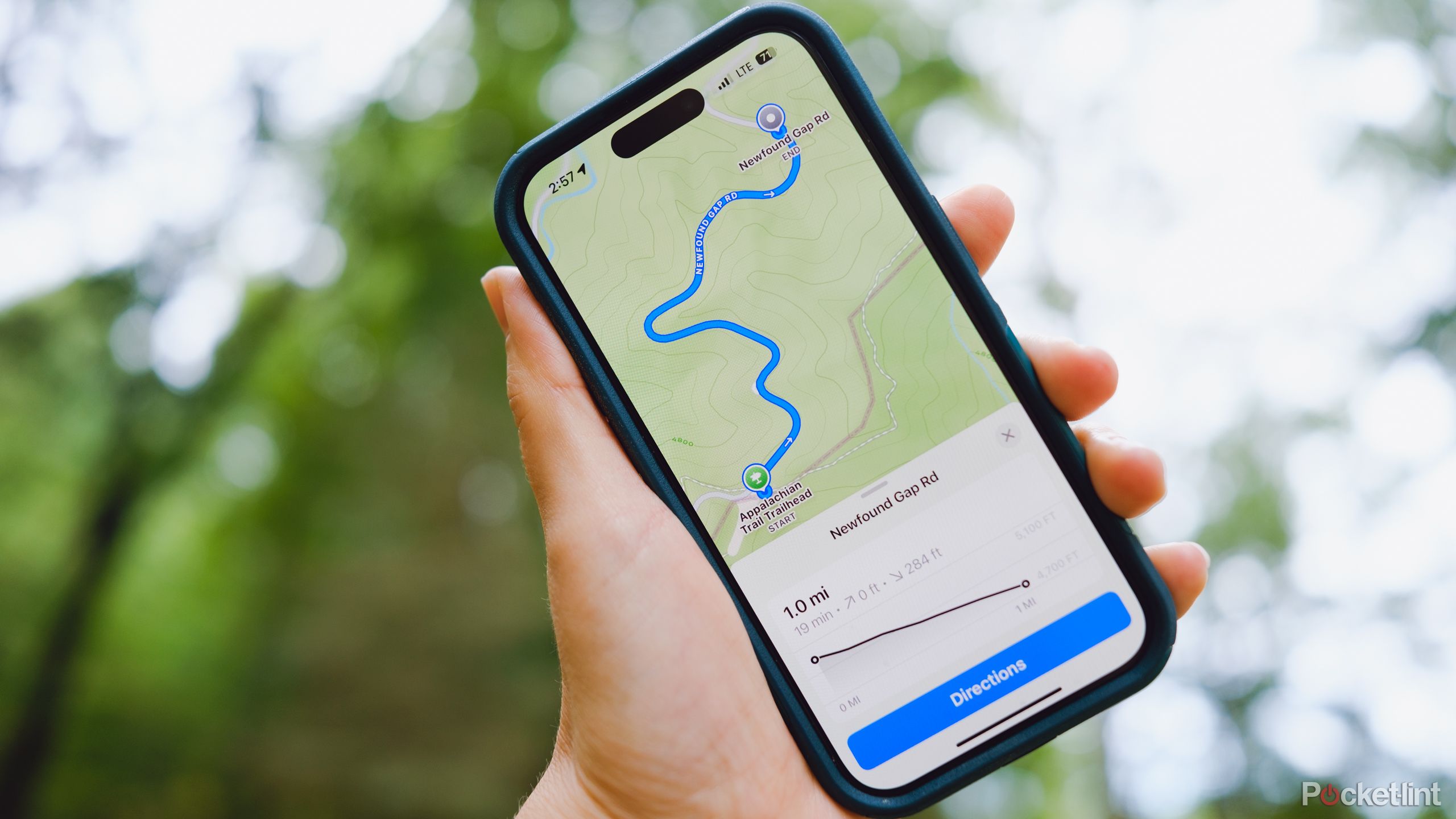
According to the platform’s latest updates, Strava is integrating sport tracking, route planning, and social features into one interface. This reduces “app fatigue” for multi-sport athletes who previously had to use one app for their morning run and another for a weekend mountain hike.
| Feature | Strava (New) | Specialized Apps |
|---|---|---|
| Route Sourcing | User activity heatmaps | Curated trail databases |
| Social Integration | High (Clubs, Feed) | Moderate (Reviews) |
| Navigation | Offline maps & alerts | Deep outdoor topography |
What happens to navigation in remote areas?
To compete in the backcountry, Strava added “Off-Route Alerts” and expanded offline navigation. These features allow users to download maps before entering nature preserves or mountains where cellular service is unreliable. The app now provides live elevation data, showing hikers exactly how much climbing remains in their journey.
A new full-screen map view aims to reduce the stress of navigation during active movement. This is a direct response to the needs of long-distance hikers who require clear, unobstructed visual cues to avoid getting lost in dense terrain.
How will social features change the outdoor experience?
Strava is introducing 3D animations and special stickers to make hiking activities more visually engaging. For premium subscribers, “replays” allow users to watch a visual playback of their hike, turning a list of statistics into a digital memory.
The emphasis on walking clubs suggests a trend toward “social wellness.” By allowing users to create and join hiking groups, Strava is moving beyond individual performance metrics and toward community-based exploration. This shift mirrors the growth of “walking pads” and urban hiking trends seen in major cities over the last two years.
What is next for the outdoor platform?
Future updates scheduled for later this year will introduce more detailed map layers. These will include specific information on path surfaces, as well as markers for essential facilities like campsites, picnic areas, and official starting points.

This evolution suggests that Strava no longer views itself as a fitness app, but as a general outdoor utility. The integration of detailed terrain data means the app could eventually compete with traditional GPS handhelds for casual to intermediate hikers.
Frequently Asked Questions
Are the new hiking features free?
Basic route discovery and social features are available to all, but the advanced route builder and activity replays are part of the paid subscription.
Does Strava work without internet on a hike?
Yes, users can now download routes in advance for offline navigation in areas without mobile coverage.
How does Strava find popular routes?
It uses anonymized data from millions of existing user activities to identify the most frequented paths in any given area.
Do you prefer curated trail guides or crowdsourced heatmaps for your hikes? Let us know in the comments below or share your favorite hidden trail with our community!