
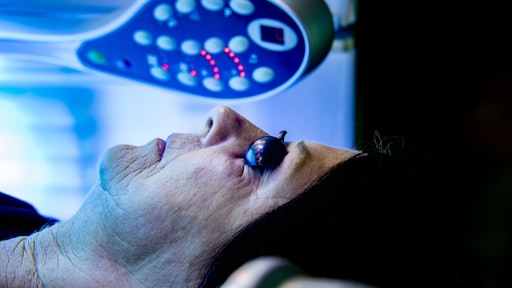
Sunbeds and Skin Cancer: The Push for a Ban
Health organizations are pushing for stricter tanning bed bans following the World Health Organization’s (WHO) 2009 classification of UV radiation from these devices as carcinogenic. While Belgium is currently advocating for advertising bans and a total phase-out, Dutch health bodies including the RIVM and KWF are evaluating similar measures to combat rising skin cancer rates.
Why are health organizations calling for a tanning bed ban?
The World Health Organization categorized UV radiation from tanning beds as carcinogenic in 2009. This classification serves as the foundation for current calls to remove these devices from hotels and wellness centers and to implement a total ban on their advertising.

Marijne Landman, director of the National Huidfonds, states that tanning beds expose the skin to extreme amounts of UV radiation, which directly damages the DNA of skin cells. While the body repairs some of this damage, Landman notes that a portion remains permanently. This leads to premature skin aging in the short term and a significantly higher risk of skin cancer over time.
What are the current skin cancer statistics in the Netherlands?
Skin cancer is currently the fastest-growing cancer diagnosis in both Belgium and the Netherlands. According to data from KWF Kankerbestrijding, more than 80,000 people in the Netherlands are diagnosed with skin cancer annually.
The National Huidfonds reports that a diagnosis is made every seven minutes. Landman emphasizes that melanoma is the most aggressive variant. She identifies severe UV damage, particularly when it occurs at a young age, as a primary risk factor. Because young skin is more sensitive to UV radiation, health officials are specifically concerned about teenagers using tanning beds.
How does the industry view “responsible tanning” compared to medical advice?
There is a sharp divide between industry claims and medical evidence regarding the safety of UV devices. The industry group Samenwerking Verantwoord Zonnen (SVZ) argues that tanning beds provide a necessary alternative for people who lack natural sunlight due to work or weather conditions.
SVZ advocates for “responsible use” through better consumer education and a legal requirement for ID checks to ensure users are over 18. This contrasts with the stance of the National Huidfonds. Landman asserts there are “no ways to make it safe,” arguing that any amount of UV radiation intended for tanning causes skin damage.
| Perspective | Industry (SVZ) | Medical (Huidfonds/KWF) |
|---|---|---|
| Safety | Safe if used responsibly | No safe way to use |
| Regulation | ID checks and education | Advertising ban and phase-out |
| Goal | Informed consumer choice | Complete elimination of risk |
Will the Netherlands implement a legal ban on tanning beds?
A legal ban remains a subject of debate due to political culture. Landman notes that the Netherlands generally avoids bans, citing the long-term approach to cigarettes as an example. She argues that a “change in mentality” is required to stop the societal perception that a tanned skin equals a healthy skin.

However, momentum is building. Arjan van Dijk of the RIVM told RTL Nieuws that the Zonkrachtactieplatform—a coalition including the RIVM, KWF, the Huidfonds, the KNMI, and various hospitals—is currently drafting a joint position on tanning equipment. Van Dijk acknowledges a gap between current regulations and scientific evidence, stating that the group is discussing how to bridge that divide.
Frequently Asked Questions
Is there such a thing as a safe tanning bed?
No. According to the National Huidfonds, there is no way to make tanning beds safe because they cause DNA damage to skin cells.
Who is most at risk from UV tanning?
Young people are particularly vulnerable. The Huidfonds notes a strong link between UV damage to young skin and the later development of melanoma.
What are the current laws for tanning beds in the Netherlands?
Current rules include a maximum radiation strength and a prohibition on use by individuals under 18, though a mandatory ID check is not yet legally required.
Do you think tanning beds should be banned in the Netherlands? Share your thoughts in the comments below or subscribe to our newsletter for more updates on public health trends.